

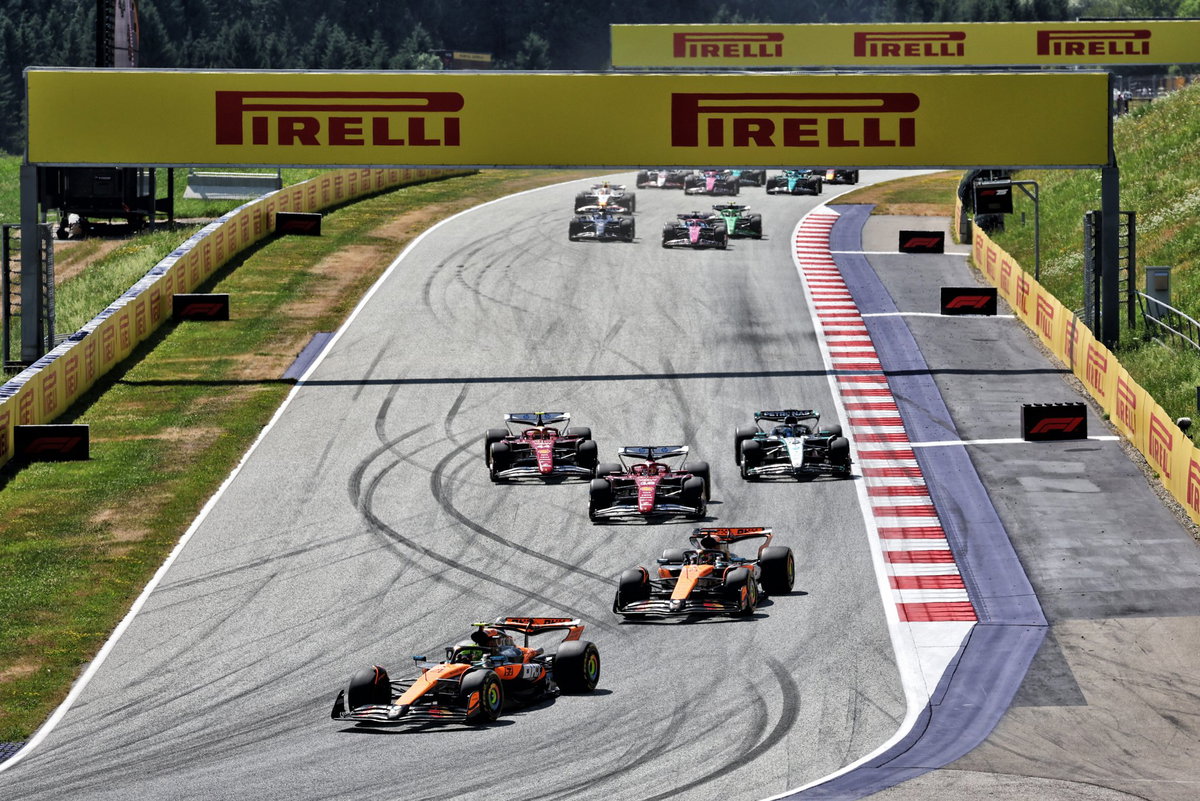
Formula 1’s governing body the FIA has declared this weekend’s Austrian Grand Prix a ‘heat hazard’ race.
The ruling comes into effect when temperatures are predicted to exceed 31 degrees during the event, triggering a heat index which the FIA uses to define potentially dangerous conditions for drivers.
Weather forecasts suggest a sunny and dry weekend of weather at the Red Bull Ring in Spielberg, but temperatures are expected to exceed 31 degrees on race day.
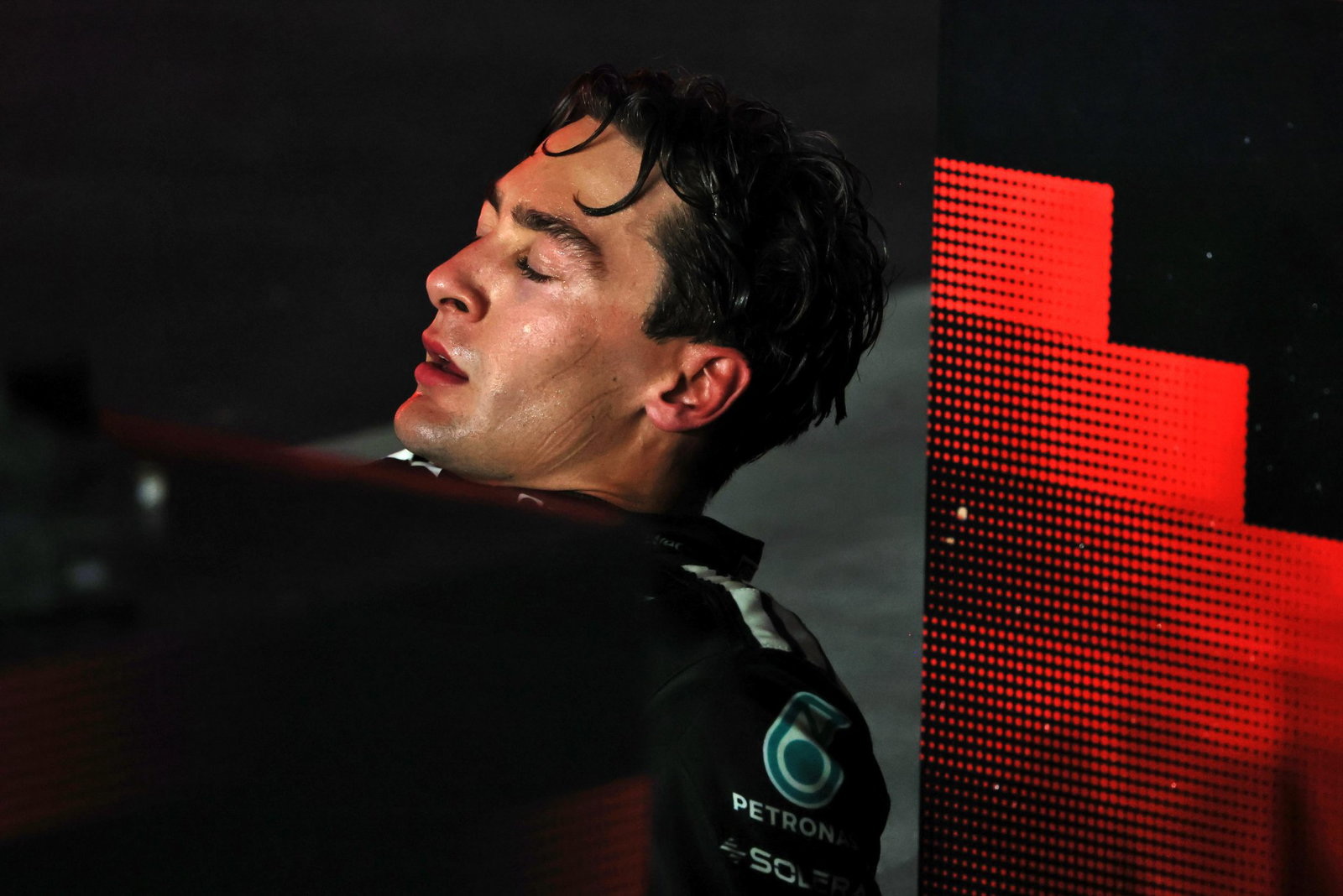
Last year's Singapore Grand Prix, won by George Russell, was F1's first heat hazard race
Air temperatures could reach the mid 30s while track temperatures are forecast to exceed 50 degrees.
Austria is the third race to be designated a ‘heat hazard’, following the Singapore and United States Grands Prix last year.
The safety regulation gives drivers the option of wearing cooling vests to help combat extreme temperatures.
F1’s rules also state that the minimum weight of the car is increased by five kilograms to accommodate the hardware used to run the liquid-cooled vests worn by drivers.
Drivers can decide not to wear cooling vests, but those who opt out will have to run with extra ballast to compensate, ensuring they do not gain a competitive advantage.
How do the vests work?
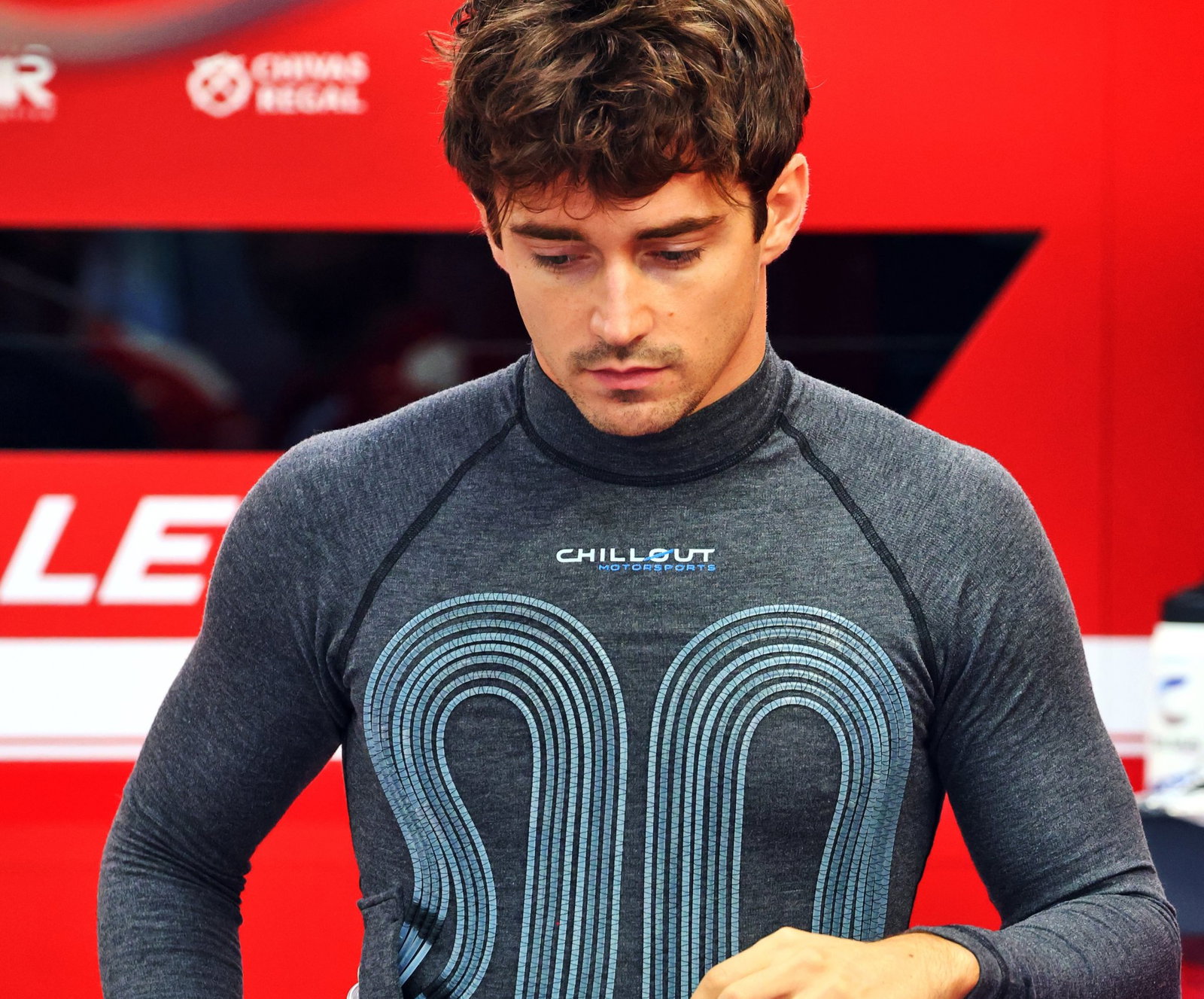
Charles Leclerc wearing a cooling vest at the 2025 Singapore Grand Prix
The cooling vests feature a liquid such as glycol pumped through a tank of dry ice and through the driver’s fireproof top.
However, there are some drawbacks, such as driver comfort and the possibility of dry ice running out, which would lead to the liquid being pumped through the system at car temperature.
George Russell, a director of the Grand Prix Drivers’ Association (GPDA), has praised the solution, which he wore on his way to winning in Singapore last year.
"Not everybody finds the top comfortable, but I think some find it more comfortable than others, and of course over time you'll be able to adjust it to your own preferences," the Mercedes driver said.
"But the concept is good, and when you're racing in 90% humidity and the cockpits are getting on for 60C, it's a bit of a sauna inside the car, so I think we all welcome it.”
Not every driver likes them, with Max Verstappen describing the vests as uncomfortable and problematic.
Why was the rule introduced?
The rule was brought in last year in response to extreme conditions at the 2023 Qatar Grand Prix, which left several drivers on the brink of collapsing and requiring medical attention.
Esteban Ocon threw up in his helmet, while Logan Sargeant retired because he could not cope with the conditions inside the cockpit of his Williams car.
In a newly-announced rule tweak for 2026, the ’heat hazard’ declaration can now be enforced between a sprint and main race, if required.
"The declaration of a Heat Hazard may now be split between Sprint and Race. A Heat Hazard will still be declared, for Sprint, Race or both, 24 hours prior to the start of the Competition,” the FIA states.

Lewis regularly attends Grands Prix for Crash.net around the world. Often reporting on the action from the ground, Lewis tells the stories of the people who matter in the sport.
Originally published by Crash.net —
Read Original Article