

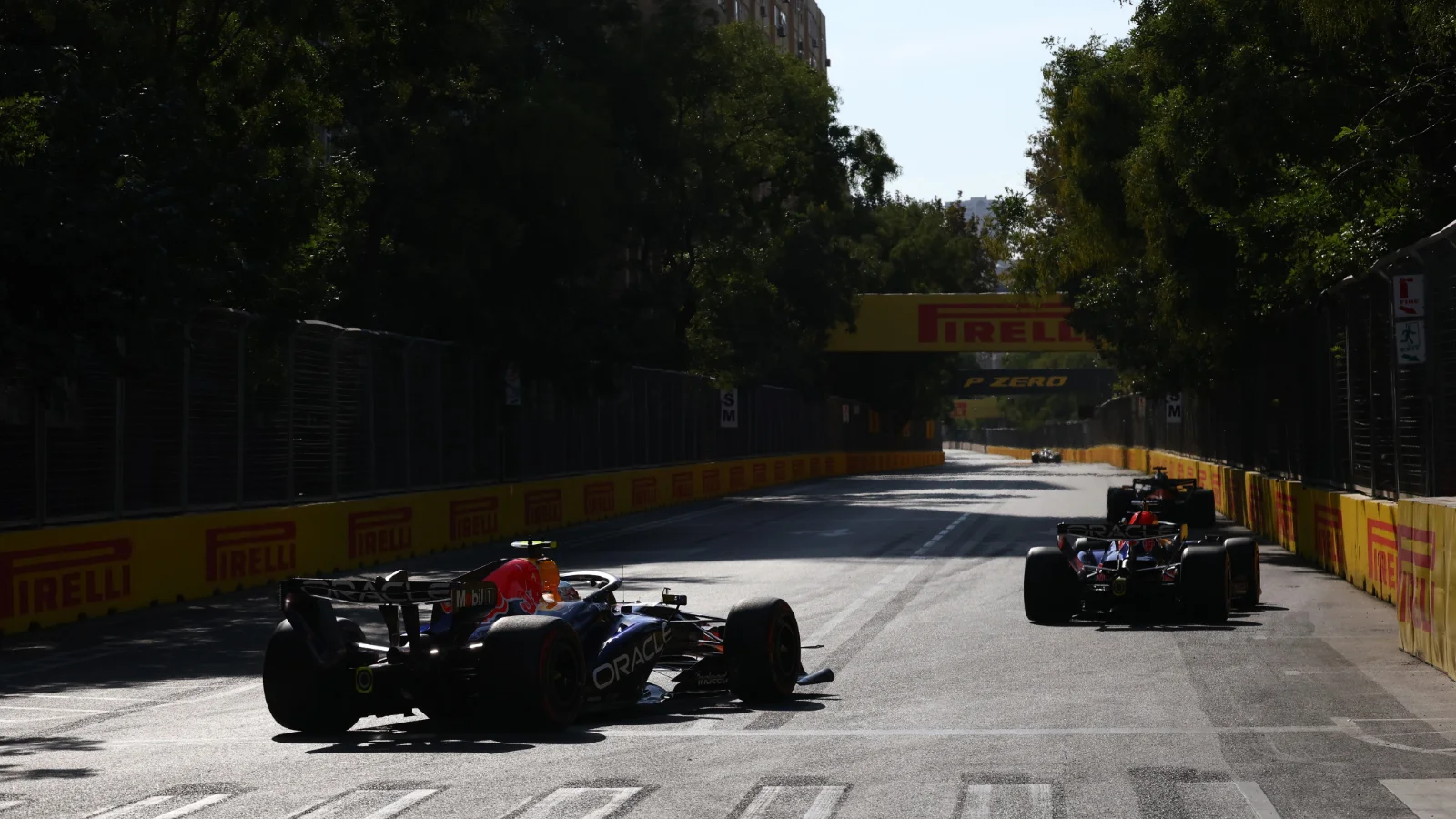

With the Azerbaijan Grand Prix done for another year, the Caspian capital is turning straight to its next major event — and it wants F1’s audience to follow.
Most cities that host Formula 1 are judged on a single weekend. Baku would rather be judged on its whole autumn.
The city has just staged its10th Formula 1 Grand Prix. Mercedes’s George Russell took the chequered flag after 51 laps of a street circuit that has become one of the sport’s most reliable sources of drama since its debut as the European Grand Prix in 2016. It was also a race held in an unusual slot. The event was moved to Saturday 26 September so it would not clash with Remembrance Day on the 27th. The request came from the race promoter and the government, and F1 was happy to help.
That readiness to shape the calendar around the city, rather than the other way around, says a good deal about how Azerbaijan sees its major events. The Grand Prix is not a one-off. It is one part of a wider cultural calendar.
The logistics of building a 6km circuit through a major European working capital takes weeks. Taking it down however, happens almost overnight — the city is largely open to traffic within 24 hours after the race, while the grandstands and heavier infrastructure are cleared over the weeks that follow. The freight moves on. Critical team equipment goes by air to the next round, and bulk items travel by sea at a fraction of the cost.
And then, just 32 days after the lights went out, the city begins its second headline event.
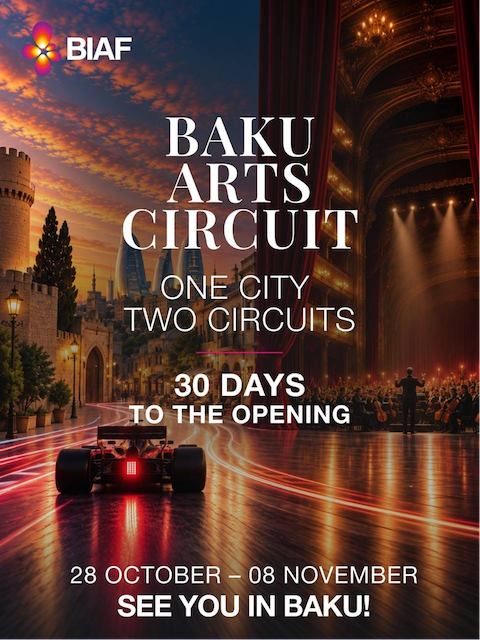
The Baku International Arts Festival returns for its second edition from 28 October to 8 November, offering more than 20 events across theatre, ballet, music, film and masterclasses. That matches the scale of last year’s opening edition, which brought more than 100 artists to the city.
The programme is built to travel well. English National Ballet and Les Ballets de Monte-Carlo both make their Baku debuts, the first with Masters in Motion: Forsythe / Pite and the second with Jean-Christophe Maillot’s LAC. David Garrett and Maxim Vengerov both perform. Akram Khan brings Thikra’s Night of Remembering. William Kentridge’s multimedia treatment of Shostakovich’s Symphony No. 10 anchors a strand marking the composer’s 120th anniversary. Lev Dodin’s The Seagull and Dmitry Krymov’s Bloody Mary complete a theatre offering that would sit comfortably in any European capital.
Why does this matter to a motorsport audience? Because the people who fly to Baku for a Grand Prix are exactly the audience the city wants back. They are internationally mobile, they have already found their way around the Old City, and they already know the hotels and restaurants. Several BIAF venues — from Icherisheher to the Philharmonic Hall beside its walls — stand close to where the circuit fences stood just a month earlier.
Formula 1 gave Baku its global profile. The arts festival is the city’s attempt to prove there is more to see. The fastest straight on the F1 calendar returns to normal traffic this week. In a month, those same streets will carry audiences rather than race cars.
Originally published by motorsportweek.com —
Read Original Article