

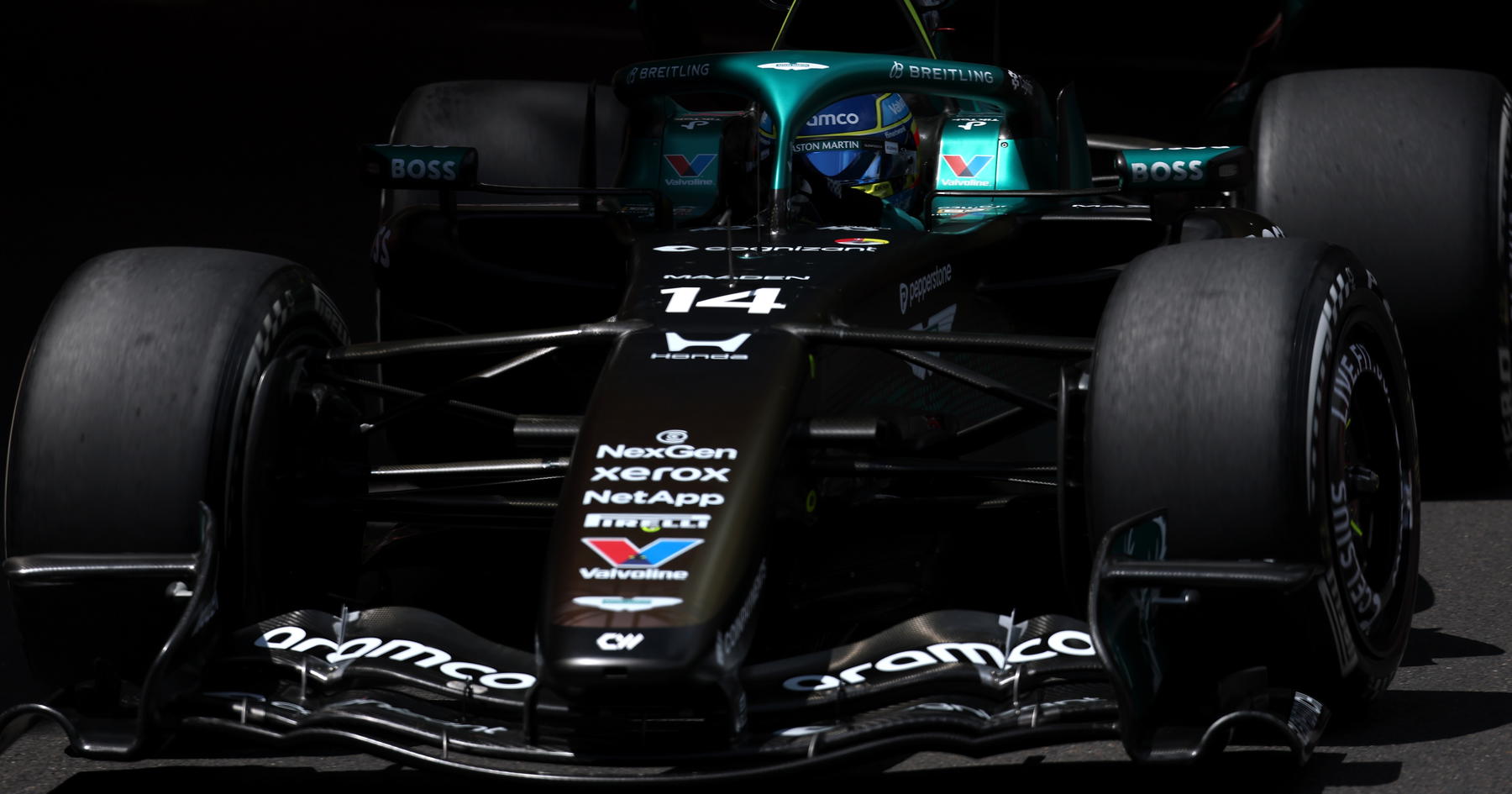
Honda is braced for a "challenging' Austrian Grand Prix weekend, and is expecting the "reality" of its deficit to show.
The Red Bull Ring is located 677m - 2,287 feet - above sea-level, which places extra demands on the turbocharger due to less air being available.
However, a further complication for 2026 is that the MGU-H, which was previously used to help force air into the turbo, has been removed from the power unit.
Honda has conceded that this "may" make it "more challenging" to extract performance for Aston Martin across the weekend - which is also expected to feature temperatures regularly in the 30 degrees Celsius region throughout.
"The Red Bull Ring is in the mountains, located at a high altitude. This means that the turbocharger is required to work harder compared to other races," explained Orihara.
"When we had the MGU-H, we had an impact on the harvesting power at this circuit. However, as this component is no longer part of the 2026 regulations, we no longer have the MGU-H to assist the turbocharger, which may make it more challenging to operate both the turbocharger and the engine correctly at high altitude.
"The first thing we will do in FP1 is to check the behaviour of both the turbocharger and the engine.
"Moreover, this week, we will expect high temperatures at the track, so cooling will also be an important topic to factor in.
"Another characteristic of the circuit is its short layout. Despite its length, there are three fairly significant straights, and these are a demand on the power unit.
"The reality is that we may see a deficit here to other PU manufacturers, but we will adapt elements like our energy management strategy and driveability to maximise our package for the weekend."
Originally published by RacingNews365 —
Read Original Article