

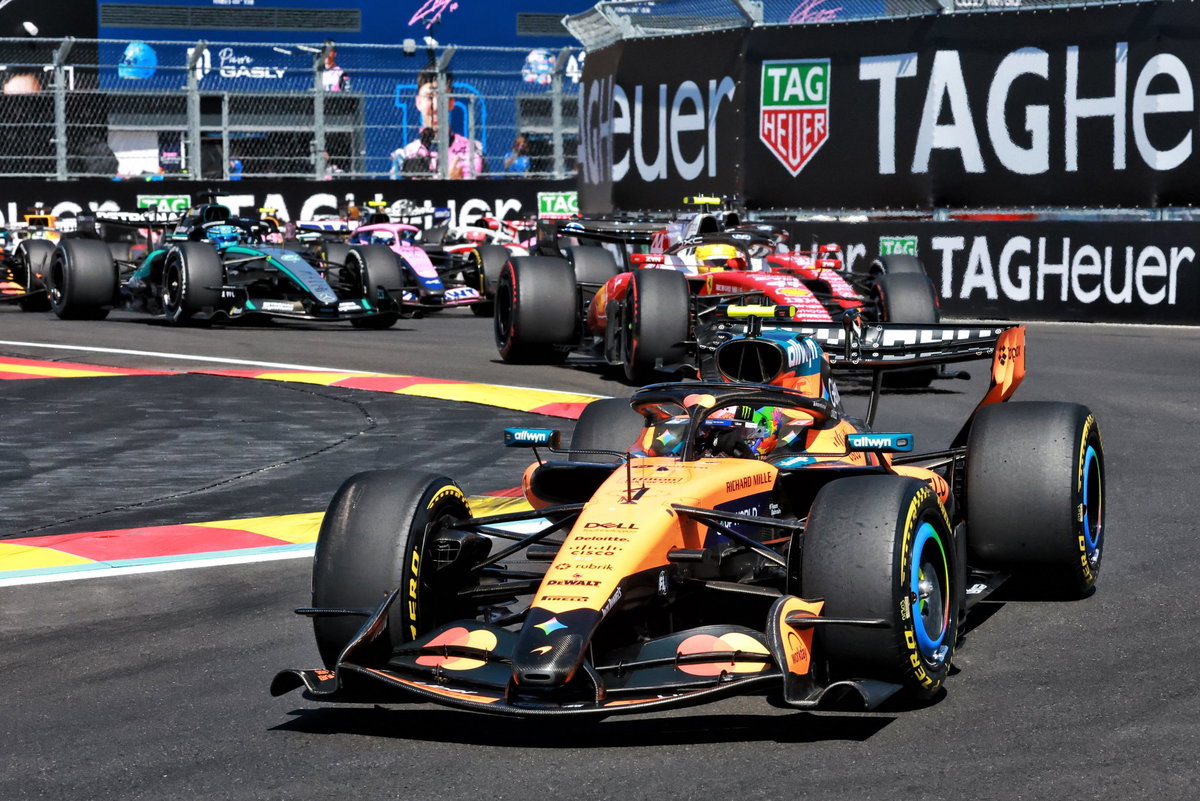
Formula 1 is on course for a return to V8 engines for the 2030 season, but a fresh report claims these will be turbocharged instead of naturally aspirated.
F1 has run a turbocharged V6 power unit formula since 2014, when it introduced the current hybrid regulations.
Earlier this year, FIA president Mohammed Ben Sulayem said F1 would return to V8 engines by no later than 2031.
Power unit manufacturers largely welcomed that proposal.
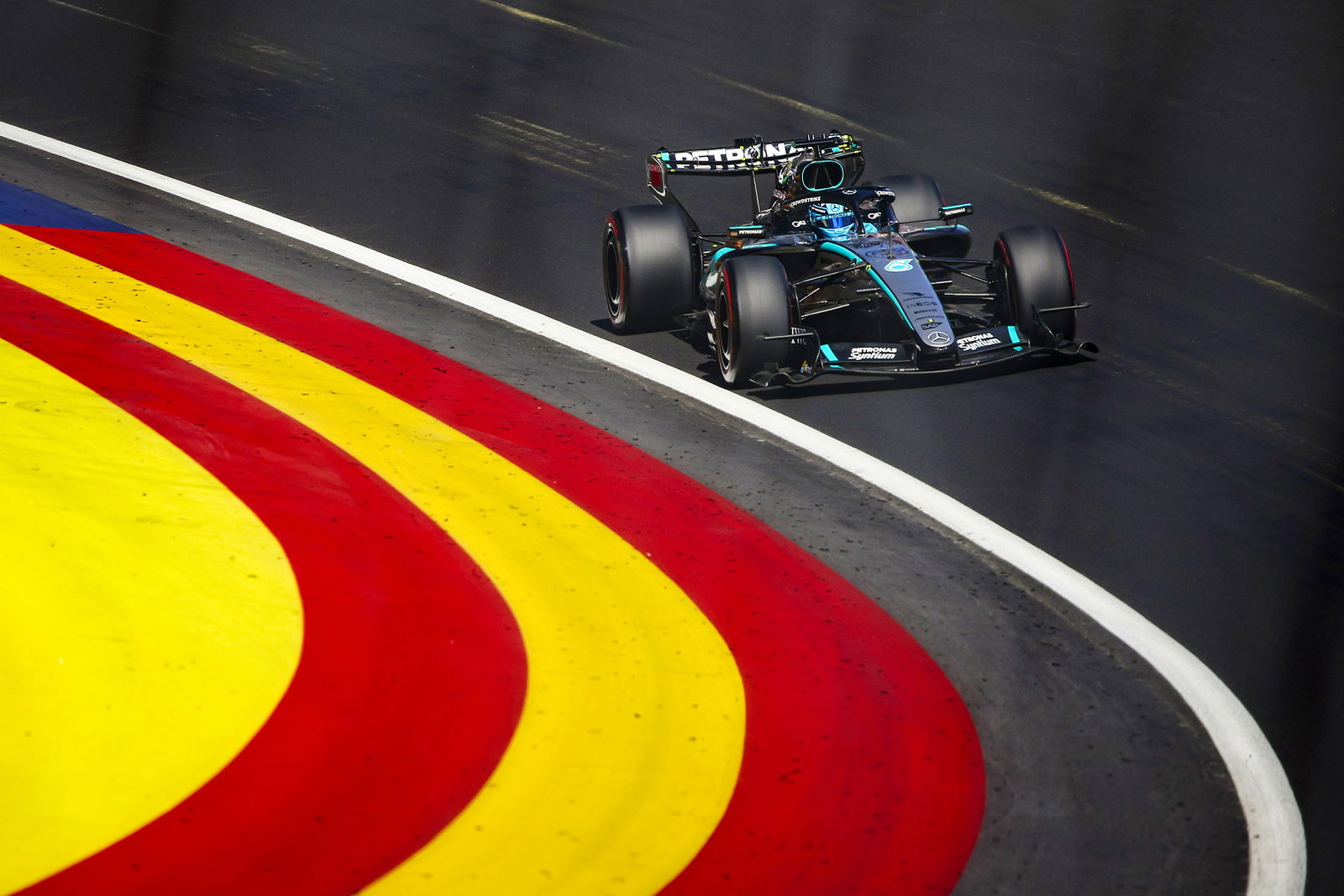
Mercedes is keen on the idea of a V8 engine
Mercedes team boss Toto Wolff said at the time: “We love V8s. From our perspective, it’s a pure Mercedes engine, revs high.”
This led to hopes from fans that F1 would return to the screaming noise of the naturally aspirated V8 engines that were raced between 2006 and 2013.
However, according to a report from Autosport, the FIA and F1’s engine manufacturers have agreed upon an engine regulations framework that would keep the current turbocharged platform.
Naturally aspirated engines too loud for street tracks
According to the report, F1 will run 3.0-litre V8 engines from 2030, though this will be combined with a smaller turbocharger.
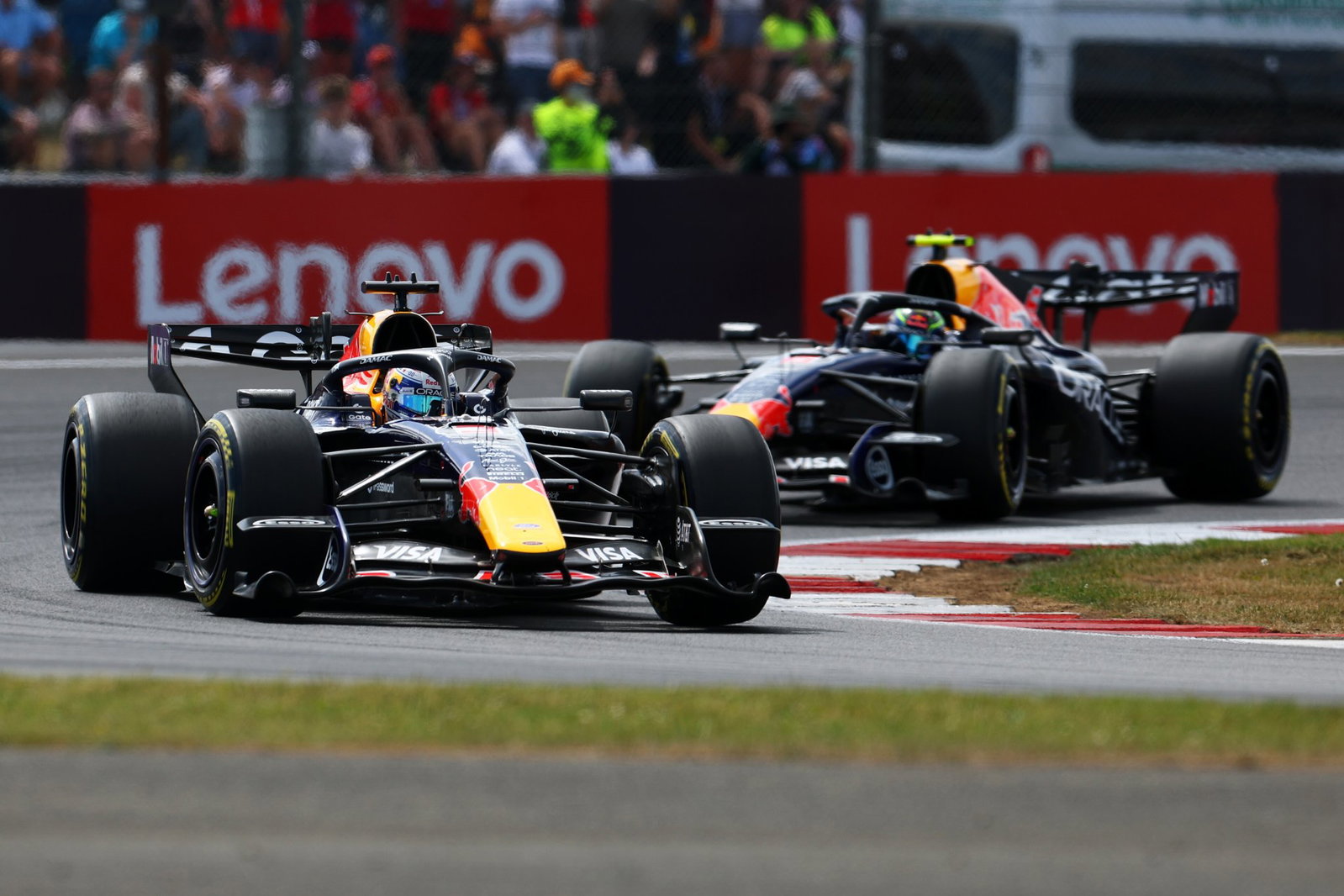
Max Verstappen has been the biggest critic of current F1 engines
Largely, this decision has been driven by the noise restrictions placed on street circuits on the F1 calendar, which a naturally aspirated V8 would breach.
The 2030 engines will also retain electrification, though the power output will be 100kW rather than the current 350kW, to remain somewhat road relevant.
The new engines will also be lighter.
F1 is also evaluating a new overtaking mode, similar to IndyCar’s push-to-pass, which isn’t dissimilar to the current boost mode with the 2026 cars.
Any changes to the engine regulations will have to go through the official approval process, leaving scope for details to change.
F1 engine regulations will be tweaked over the coming years, as the series adapts its 50/50 combustion/electrical power split to reduce some of the wider complaints about harvesting.
By 2028, the current power units will have a 60/40 split, which is hoped will reduce the need for energy saving during qualifying laps.

Lewis joined the Crash.net team in August of 2024 having been a journalist for five years covering MotoGP for the Motorsport Network. In February of 2026, he became Head of Editorial.
Originally published by Crash.net —
Read Original Article