

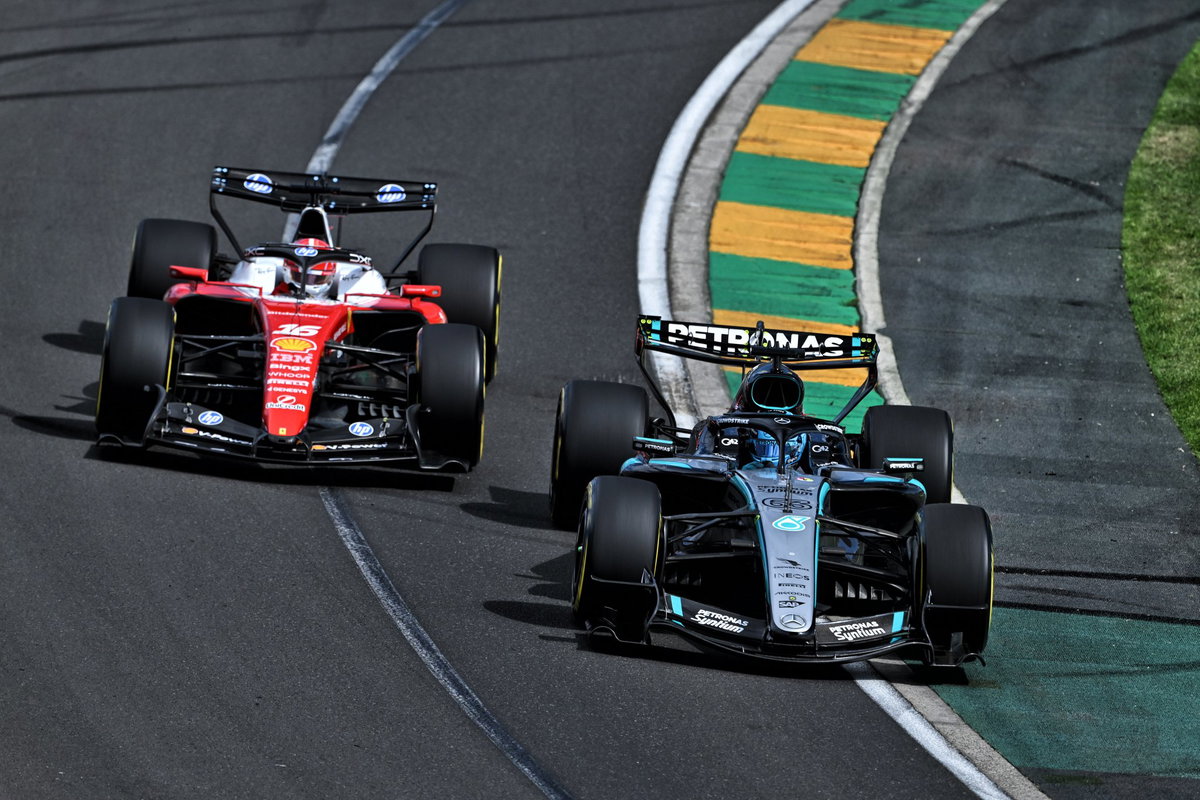
The 2026 Formula 1 regulations feature a new performance-balancing rule known as Additional Development Upgrade Opportunities or ADUO - here’s what it means and how it works.
ADUO is effectively a catch-up framework for power unit manufacturers who have fallen behind. The regulations set out three periods during the season with manufacturers judged to be between two and four per cent behind the class-leading engine awarded extra development opportunities for this year and next.
It can be viewed as a type of Balance of Performance (BoP), however the onus is on the trailing manufacturers to close the gap, rather than the leading one being pegged back, as is the case in the World Endurance Championship.
Who will ADUO benefit?
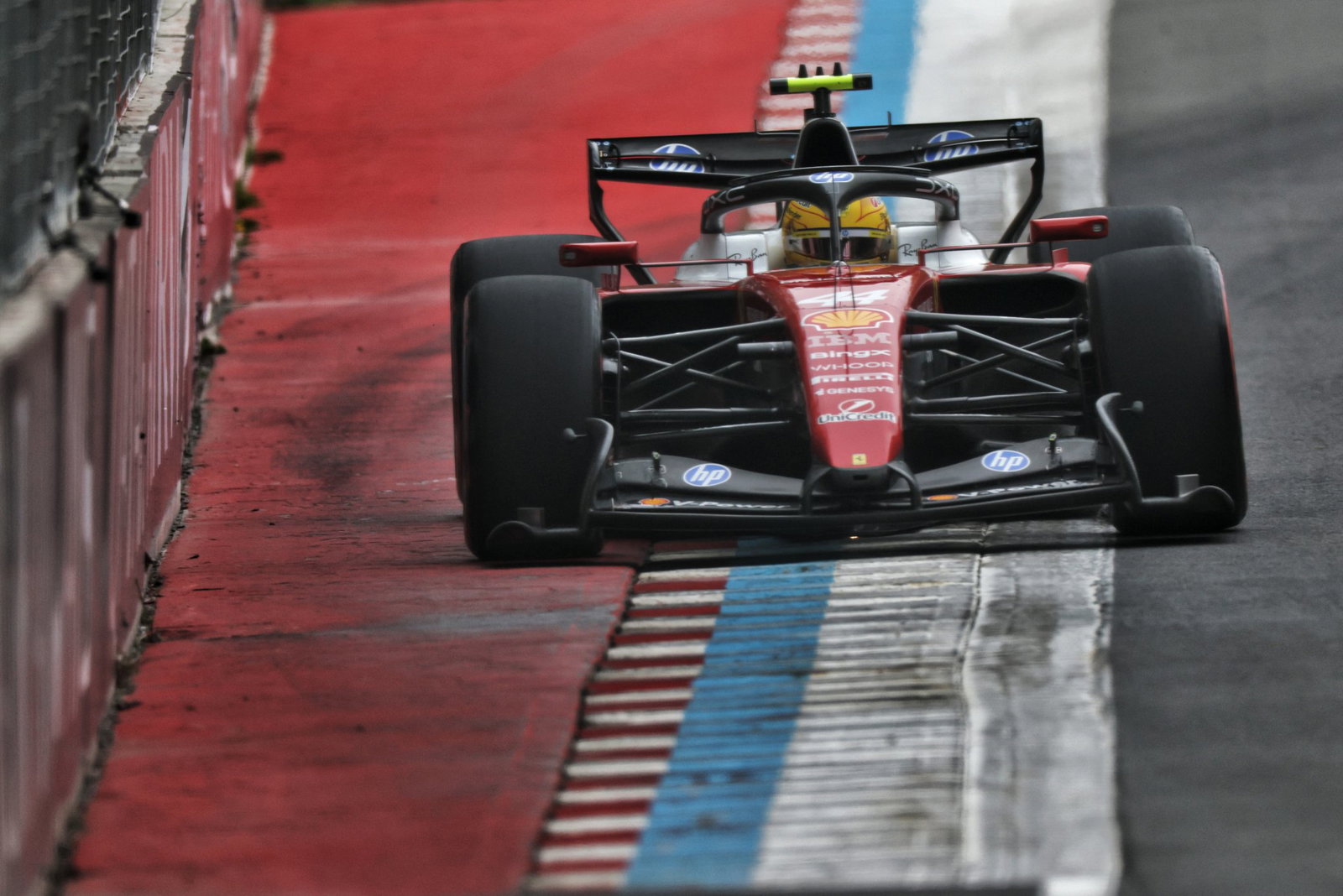
Ferrari is lagging behind Mercedes on the straights
Power unit manufacturers found to be between two and four per cent adrift will be permitted one immediate change, with those over the four per cent threshold granted further concessions. These will include increased dyno time and more cost cap flexibility.
While acting as a performance-balancer to prevent huge competitive gaps between the 11 teams being cemented for years to come, avoiding the kind of scenarios we saw back in 2014 amid the height of Mercedes dominance, ADUO does not provide opportunity for a quick fix.
“The lead times on engine development are very long,” Audi boss Mattia Binotto explained at the Japanese Grand Prix.
“We have assessed, I believe, that most of the gap we got to the top teams is from the power unit, which is not unexpected. We knew that would have been the biggest challenge.
“And we have got a plan to recover. But engine development, especially when it comes to some concepts, can take longer. It's not by chance that we have set 2030 as our objective [for competing for world championships].
“Because we know that it will take long. And I think what we need now is to be patient as well. We are very ambitious and we would like to see things solved in a couple of races. But sometimes that's not the case.
“So I think we need to understand exactly where we are as a team, what are the plans. And as well, stick to the plans. Because miracles are not possible.
“We are not here to create miracles. It's not us. We cannot do that. But we are here to have proper plans to address and to improve in the future. And I think that's also possible.”
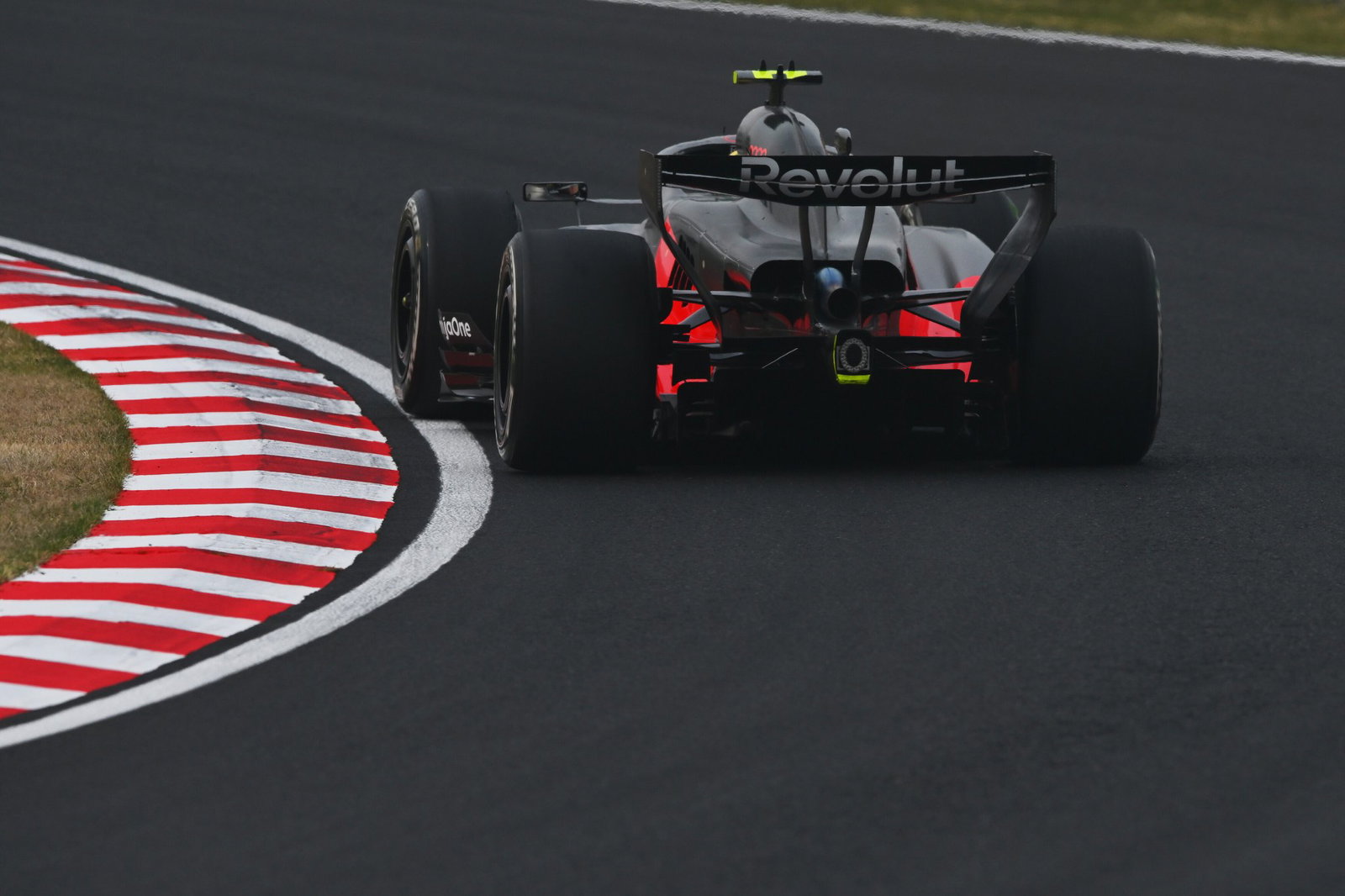
Audi is one team looking to benefit from ADUO
Like Audi, Honda has a significant deficit to the front of the field when it comes to engine performance. The Japanese manufacturer is likely to be on course to receive maximum help after a disastrous start to 2026.
"We are working hard to improve battery reliability but on the other hand, also in the Sakura factory, we are working hard to improve engine performance," Honda's lead F1 trackside engineer Shintaro Orihara said.
"And also we are working hard to optimise energy management. That is a parallel work now. Also to develop engine performance, mechanically, is not a short-term job, so we keep working hard to improve engine performance in the background.
"But we gathered a lot of data through the race distance [at Suzuka]. That gives us more, how to say, data to improve our drivability and also energy management. That gives us good data for the coming four weeks going to Miami."
Key ADUO call looms
The first threshold period for assessment under ADUO was originally due to come after the sixth round of the season, which was scheduled to be the Miami Grand Prix on 3 May.
However, following the cancellation of races in Bahrain and Saudi Arabia because of the Iran war, Miami ended up being the fourth round of the 2026 campaign. As such, the date was moved.
F1's governing body the FIA is establishing the thresholds under an ICE Performance Index.
The FIA has 14 days after the Canadian Grand Prix to release the rankings of the index. As such, this will be made public before the Monaco Grand Prix on 7 June.
This will confirm which manufacturers will be in line for upgrades, and outline when they can be introduced.
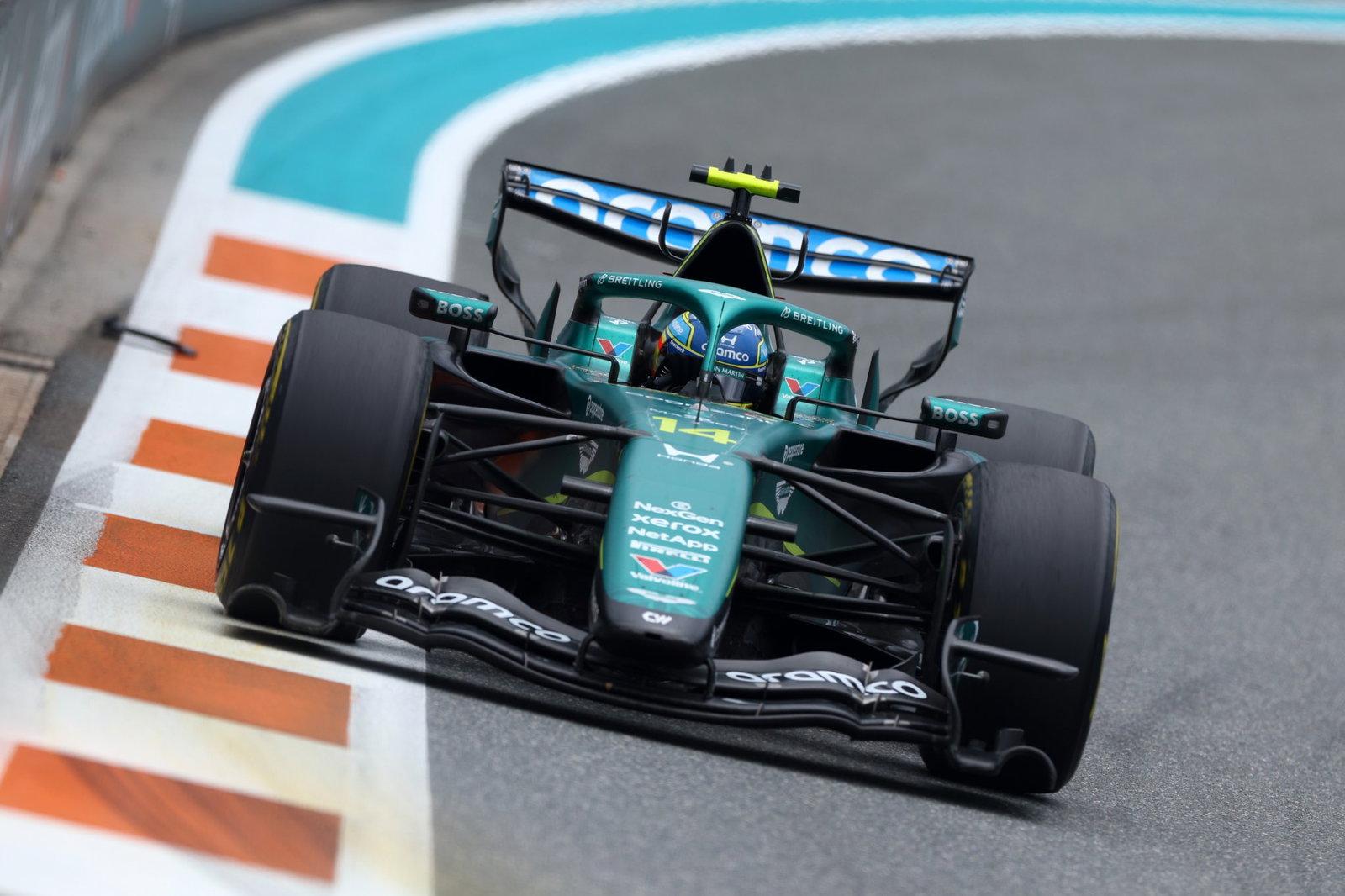
Honda is lagging well behind its engine rivals
Why is ADUO controversial?
Mercedes boss Toto Wolff has admitted he fears rival teams could try and use "gamesmanship" to take advantage of the new engine rule.
Speaking to media including Crash.net on 20 April, Wolff said: "The principle of ADUO was to allow teams that were on the back foot in terms of the power unit to catch up, but not to leapfrog.
"And it needs to be very clear that whatever decisions are being made, whichever team is granted ADUO, that any such decision may have a big impact on the performance picture and on the championship, if not done with absolute precision and clarity and transparency.
"It needs to be clear that gamesmanship hasn't got any place here, but it needs to be with the right spirit here that the FIA acts upon an ADUO.
"The teams will have their performance pictures and, as it seems for me, there's one engine manufacturer that has a problem and we need to help. And then all the others are pretty much in the same ballpark.
"I would be very surprised, actually, and disappointed if ADUO decisions that were done would come up with any interferences into the competitive pecking order as it stands at the moment."

Lewis regularly attends Grands Prix for Crash.net around the world. Often reporting on the action from the ground, Lewis tells the stories of the people who matter in the sport.
Originally published by Crash.net —
Read Original Article