

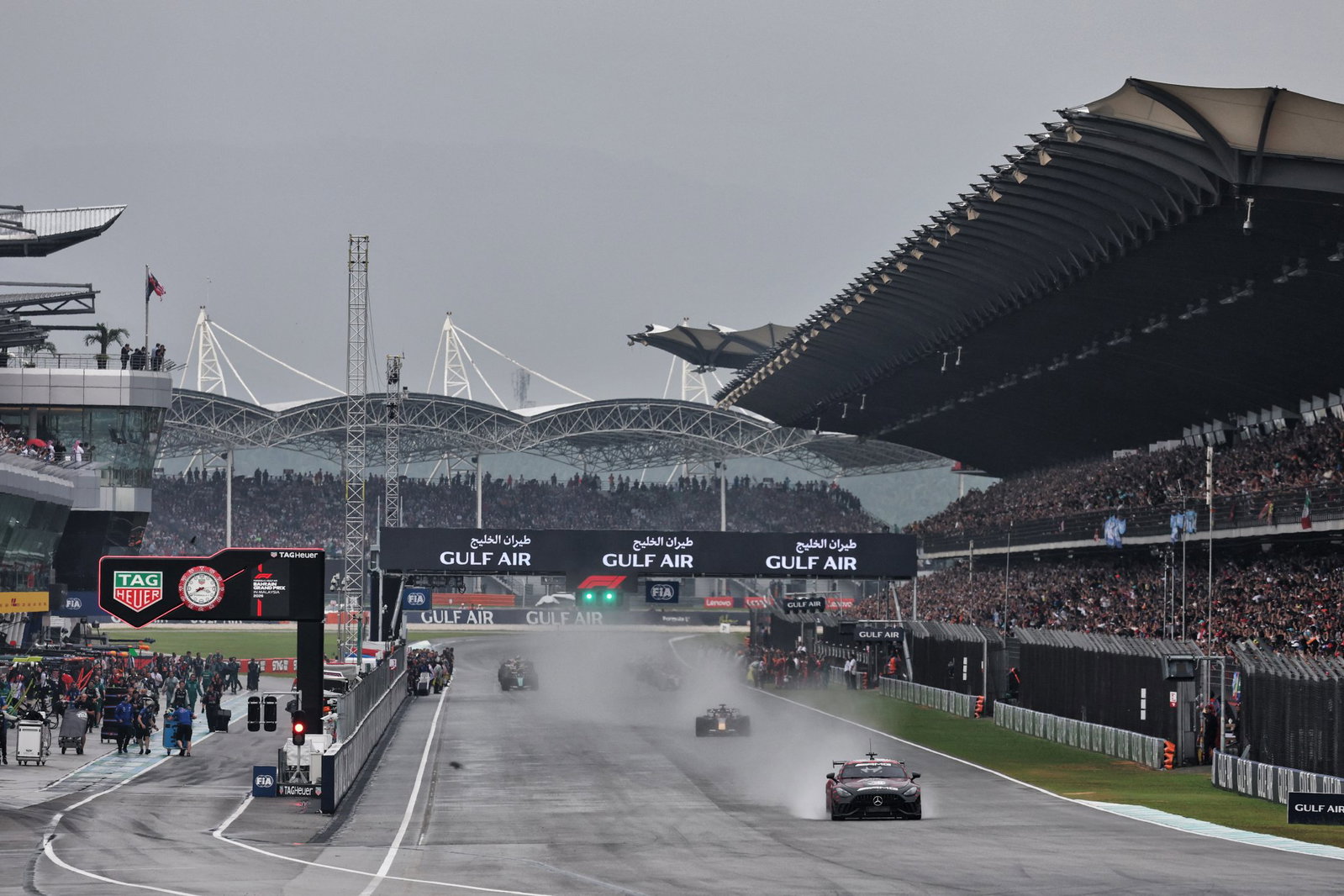
The Bahrain Grand Prix in Malaysia turned into a spectacle of chaos and confusion as heavy thunderstorms wreaked havoc on the race schedule. Delays were inevitable as the weather forced teams and drivers to adapt quickly to the changing conditions. The atmosphere was charged with anticipation, but the reality of the situation soon set in, leading to a tumultuous start that left fans and participants alike bewildered.
As the rain poured down, the FIA faced the daunting task of managing the situation. Martin Brundle, a seasoned commentator, described the initial scenes as 'total mayhem.' Despite the chaos, he later defended the FIA's eventual decisions as 'smart and fair,' highlighting the complexities of race management under such extreme circumstances.
Software Glitches and Starting Order Controversies
The formation lap of the Bahrain Grand Prix was marred by a significant software glitch that caused several cars to grind to a halt. This unexpected failure not only disrupted the race's start but also led to widespread criticism from teams and drivers. Helmut Marko from Red Bull Racing expressed his frustration, labeling the incident as an embarrassing failure that overshadowed the event.
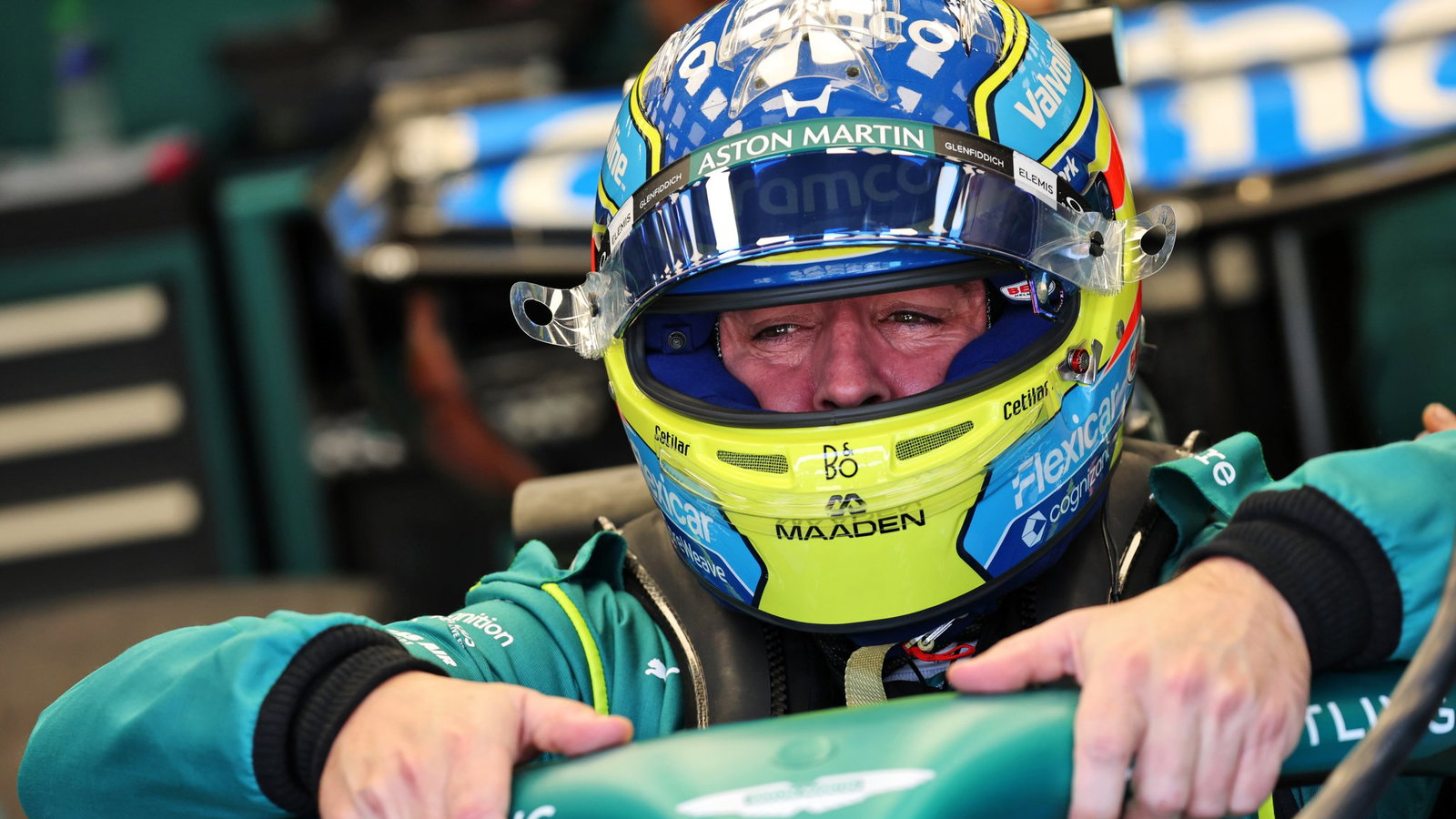
Adding to the drama, Fernando Alonso voiced his discontent regarding the FIA's decision to reset the starting order, claiming it was '100%' unfair. This sentiment resonated with many in the paddock, as the reset altered the competitive landscape of the race. The combination of weather-related delays and technical failures created a perfect storm of controversy, leaving fans questioning the integrity of the race.
Looking Ahead: The Future of F1 Engines
Amidst the chaos of the Bahrain Grand Prix, there was also news regarding the future of Formula 1 engines. Reports indicate that the return to turbo V8 engines in 2030 is a 'done deal,' as confirmed by sources close to the discussions. This shift marks a significant change in the sport's direction, moving away from the current hybrid models that have dominated the grid.
As teams prepare for this transition, the implications for performance and strategy will be profound. The return to V8 engines could reignite the fierce competition that characterized earlier seasons, potentially reshaping team dynamics and fan engagement in the years to come.
What's Next for F1?
Looking forward, the challenges faced during the Bahrain Grand Prix will likely prompt a reevaluation of protocols regarding weather and technical failures. Teams and the FIA will need to collaborate closely to ensure that such incidents are minimized in the future.
As the season progresses, fans can expect heightened scrutiny on race management and engine performance, especially with the upcoming changes in engine regulations. The excitement surrounding the return of turbo V8 engines adds another layer of anticipation for the future of Formula 1.
Key Takeaways
- Bahrain Grand Prix faced severe weather delays due to thunderstorms.
- Martin Brundle described the initial race chaos as 'total mayhem.'
- A software glitch caused multiple cars to halt during the formation lap.
- Fernando Alonso criticized the FIA's decision to reset the starting order.
- Helmut Marko called the software failure an embarrassing incident for F1.
- The return to turbo V8 engines in 2030 is reportedly confirmed.
- Future races may see changes in protocols to handle weather and technical issues.
Sources
- Crash.net: Martin Brundle drops verdict on Bahrain GP chaos and starting order controversy
- Crash.net: Fernando Alonso makes wild Lewis Hamilton claim and blasts ‘unfair’ F1 decision
- Motorsport.com: Helmut Marko says F1’s return to turbo V8 engines in 2030 is a "done deal"
- motorsportweek.com: Why was a glitch allowed to break F1 in Sepang?
- Motorsport.com: Helmut Marko brands F1 Malaysia software failure "shameful"
- motorsportweek.com: Martin Brundle reacts to ‘alt, control, delete’ F1 Speang software meltdown