

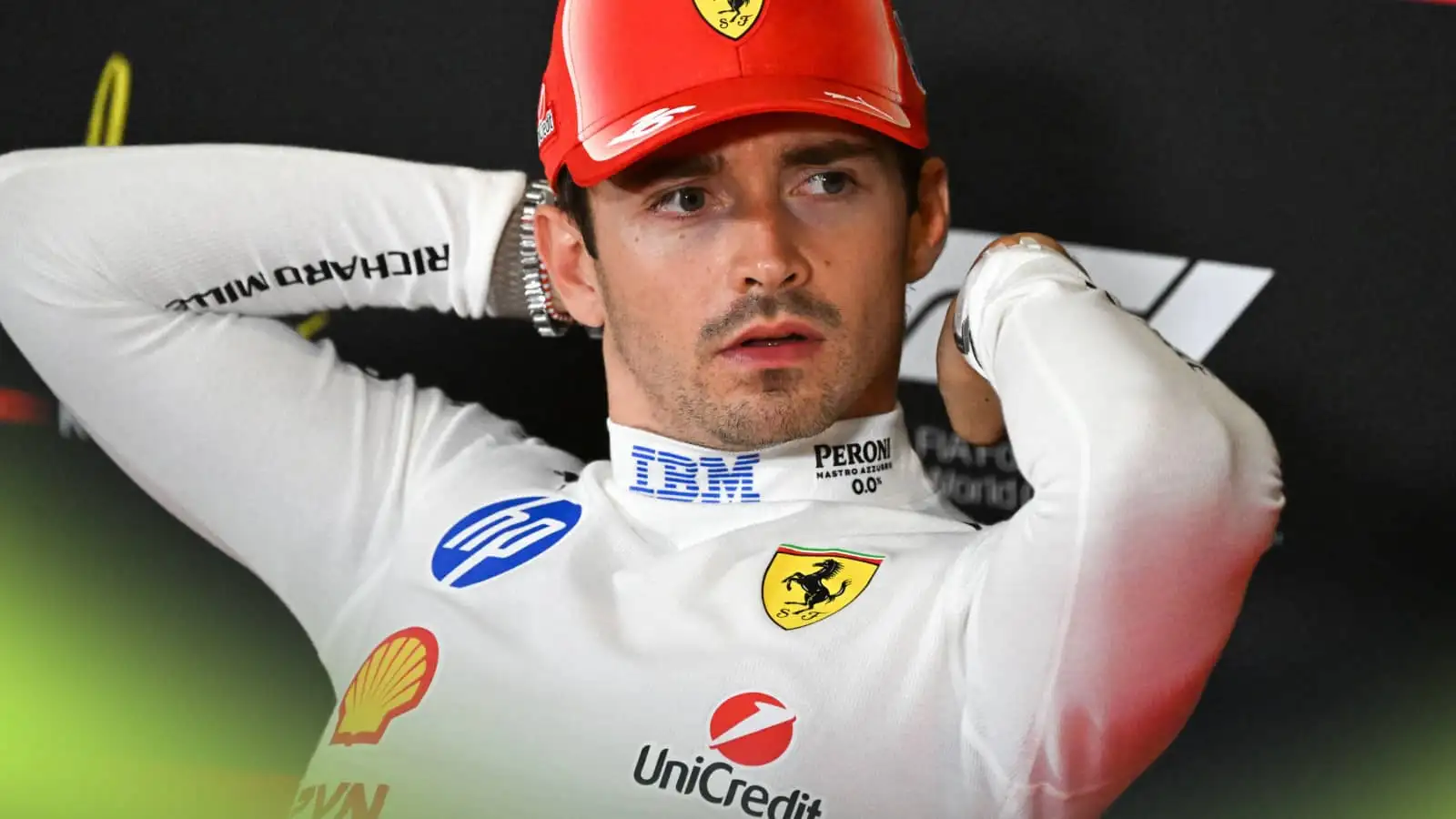
The Azerbaijan Grand Prix is just around the corner, and Charles Leclerc finds himself at the center of attention, not just for his driving skills but also for the strategic decisions surrounding his Ferrari team. With whispers of potential engine penalties circulating, Leclerc has chosen to remain tight-lipped about his plans, a move that has only fueled speculation among fans and analysts alike.
Leclerc's reluctance to confirm whether he will take an engine penalty reflects a broader strategy within Ferrari, as the team aims to maintain an element of surprise against their competitors. As the pressure mounts, Leclerc's comments reveal a deeper frustration with the scrutiny he faces, particularly regarding his on-track battles with teammate Lewis Hamilton. This dynamic adds another layer of complexity to an already intense race weekend.
The Weight of Scrutiny
In recent statements, Leclerc has expressed his discontent with the level of scrutiny that surrounds his performances at Ferrari. He believes that every move he makes is unfairly placed under a microscope, particularly when it comes to his wheel-to-wheel battles with Hamilton. This sentiment resonates with many drivers who feel that the media and fans often overlook the complexities of racing dynamics.
Leclerc has pointed out that the conclusions drawn by those outside of Ferrari regarding his rivalry with Hamilton are often misguided. He argues that the intense focus on their battles does not accurately reflect the reality of their racing strategies and team objectives. This perspective highlights the challenges drivers face in balancing competitive spirit with public perception, especially in a storied team like Ferrari, where expectations are sky-high.
Managing Rivalries Within Ferrari
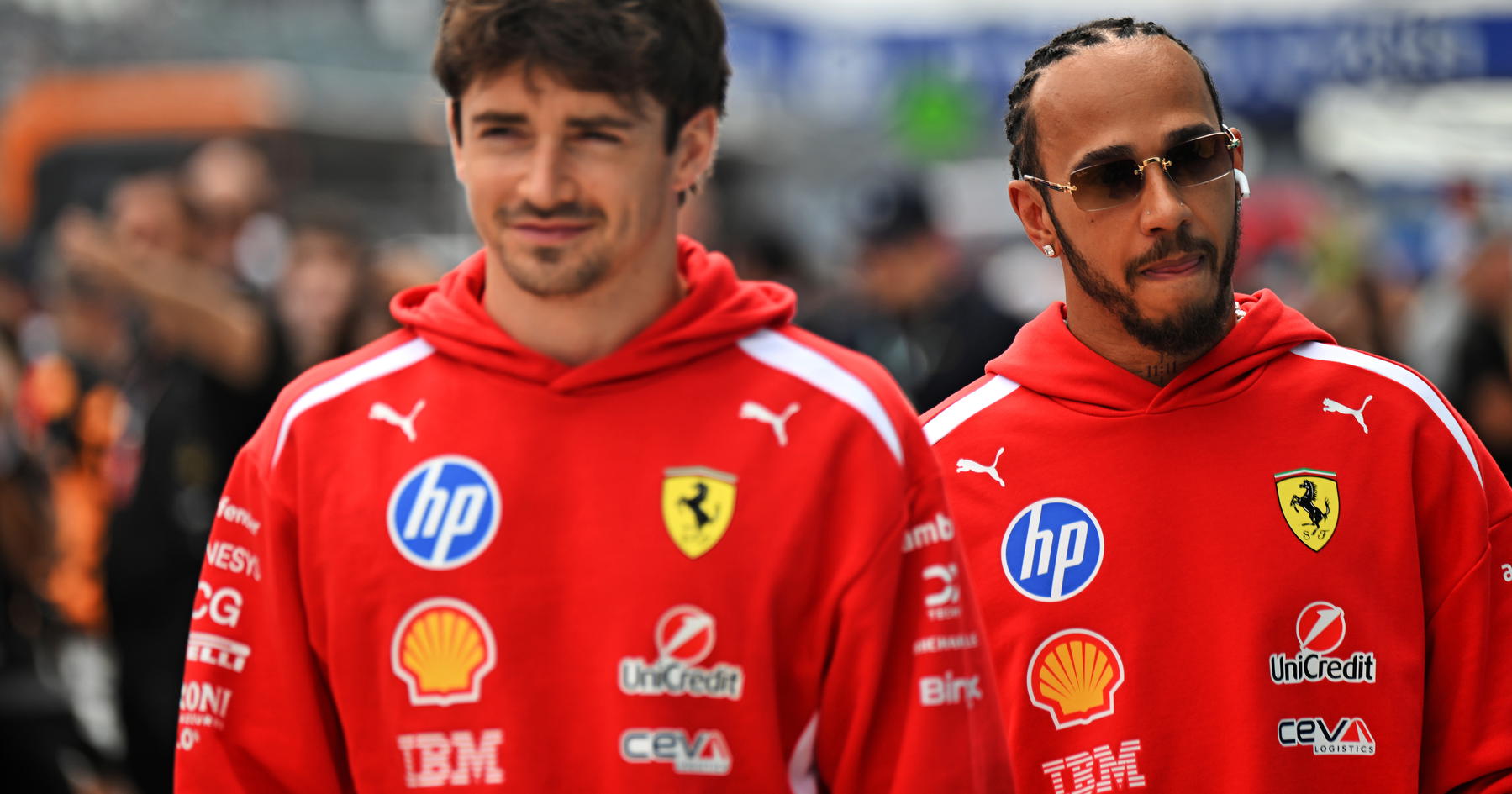
Ferrari's management appears to be aware of the growing rivalry between Leclerc and Hamilton, and according to James Hinchcliffe, the team is content to manage this escalating tension. The internal dynamics of Ferrari are crucial, as the team must navigate the fine line between fostering healthy competition and ensuring that it does not disrupt their overall performance.
As Leclerc and Hamilton continue to push each other on the track, the team must also consider how this rivalry impacts their strategy moving forward. With the Azerbaijan Grand Prix on the horizon, Ferrari's ability to manage these relationships will be pivotal in determining their success. The balance of power within the team could shift dramatically depending on how they handle the pressures of competition and the expectations of their fans.
Looking Ahead
As the Azerbaijan Grand Prix approaches, all eyes will be on Charles Leclerc and his decisions regarding potential penalties and race strategies. The scrutiny he faces is unlikely to diminish, but how he handles this pressure could define his season.
With Ferrari's management seemingly supportive of the rivalry between Leclerc and Hamilton, fans can expect an exciting race filled with drama and high stakes. The upcoming weekend will not only test Leclerc's driving skills but also his ability to navigate the complexities of team dynamics and public perception.
Key Takeaways
- Leclerc remains non-committal about an engine penalty for the Azerbaijan GP.
- He feels unfairly scrutinized for his battles with Hamilton this season.
- Leclerc believes external perceptions of his rivalry with Hamilton are misguided.
- Ferrari is reportedly comfortable managing the rivalry between their drivers.
- The upcoming race will be crucial for Leclerc's season trajectory.
Sources
- PlanetF1: Charles Leclerc grilled on potential Azerbaijan GP penalty after Ferrari hint
- Crash.net: Charles Leclerc doubles down on ‘unfair' Ferrari F1 scrutiny after Lewis Hamilton fights
- RacingNews365: Charles Leclerc airs bitter frustration at 'over-analysed' Lewis Hamilton fights
- PlanetF1: Charles Leclerc has had enough of the ‘wrong’ conclusions about Lewis Hamilton
- Motorsport.com: James Hinchcliffe explains why Ferrari is "happy" with Lewis Hamilton-Charles Leclerc rivalry