

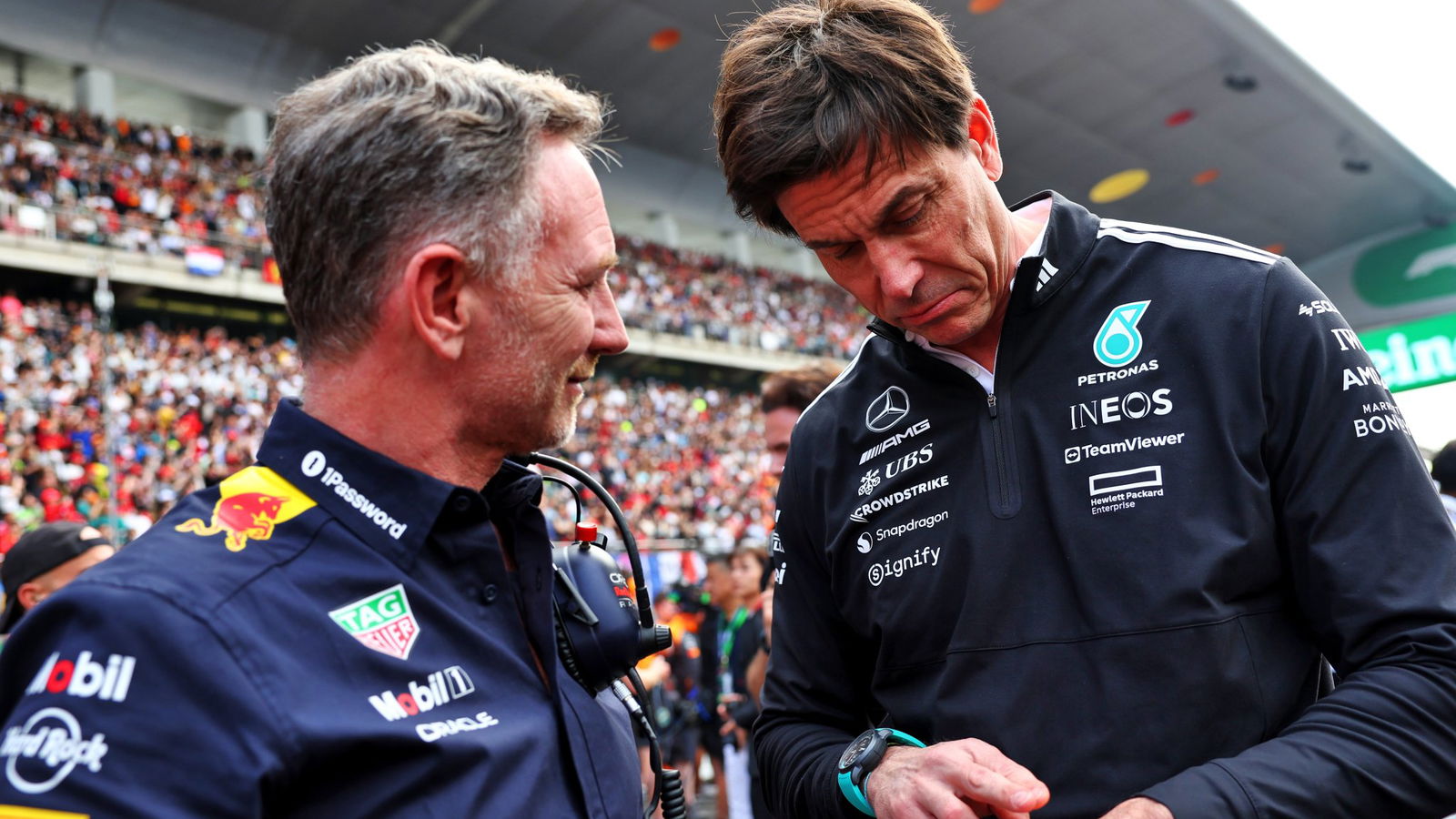
Christian Horner's tenure as Red Bull Racing's team principal and CEO came to an unexpected end after the British Grand Prix last year. His departure, which concluded a remarkable two-decade reign, saw him lead the team to eight F1 drivers' championships and six constructors' titles. The news sent shockwaves through the Formula 1 community, as Horner was a pivotal figure in Red Bull's rise to dominance in the sport.
In the aftermath of his dismissal, Horner expressed feelings of 'loss and hurt,' reflecting on the abrupt end to his leadership role. As the dust settles, the reasons behind his exit have begun to surface, with internal dynamics within the team coming under scrutiny. This article delves into the circumstances surrounding Horner's removal and the implications for Red Bull Racing moving forward.
The End of an Era
Horner's removal from his position as Red Bull's CEO and team principal marks a significant transition for the team. Under his guidance, Red Bull transformed from a newcomer to a powerhouse in Formula 1, achieving unprecedented success. However, the competitive nature of F1 often leads to high-stakes decisions, and Horner's exit was no exception.
According to reports, Horner's dismissal was not merely a result of performance but also intertwined with internal politics. The latest series of Formula 1's 'Drive to Survive' has revealed that Horner has placed the blame for his sacking squarely on Helmut Marko, a key figure within the Red Bull organization. This revelation adds a layer of complexity to the narrative, suggesting that personal dynamics played a crucial role in the decision-making process.
Internal Struggles and Future Implications
The friction between Horner and Marko highlights the often unseen struggles within successful teams. While Horner was celebrated for his strategic acumen and leadership, Marko's influence within Red Bull has been significant, particularly in driver management and team direction. The clash between these two powerful figures raises questions about the future leadership structure at Red Bull and how it will affect team performance.
As Red Bull moves forward without Horner, the team must navigate the challenges of maintaining its competitive edge in a rapidly evolving sport. The departure of such a prominent figure could lead to shifts in team culture and strategy, impacting not only the drivers but also the engineering and operational aspects of the team. The upcoming season will be crucial in determining how Red Bull adapts to this new chapter.
What's Next for Red Bull Racing?
Looking ahead, Red Bull Racing faces a pivotal moment in its history. The team must now find a successor who can uphold the legacy that Horner built while also bringing fresh perspectives to the table. The search for new leadership will be critical, as the team aims to remain competitive against rivals like Mercedes and Ferrari.
As the new season approaches, fans and analysts alike will be watching closely to see how Red Bull adapts to this leadership change. The implications of Horner's exit will resonate throughout the paddock, and the team's ability to navigate this transition will be key to its future success.
Key Takeaways
- Christian Horner was removed from Red Bull after the British Grand Prix last year.
- His departure ended a 20-year reign marked by significant success.
- Horner has publicly blamed Helmut Marko for his dismissal.
- The internal dynamics at Red Bull are under scrutiny following Horner's exit.
- The team must now find a new leader to maintain its competitive edge.