

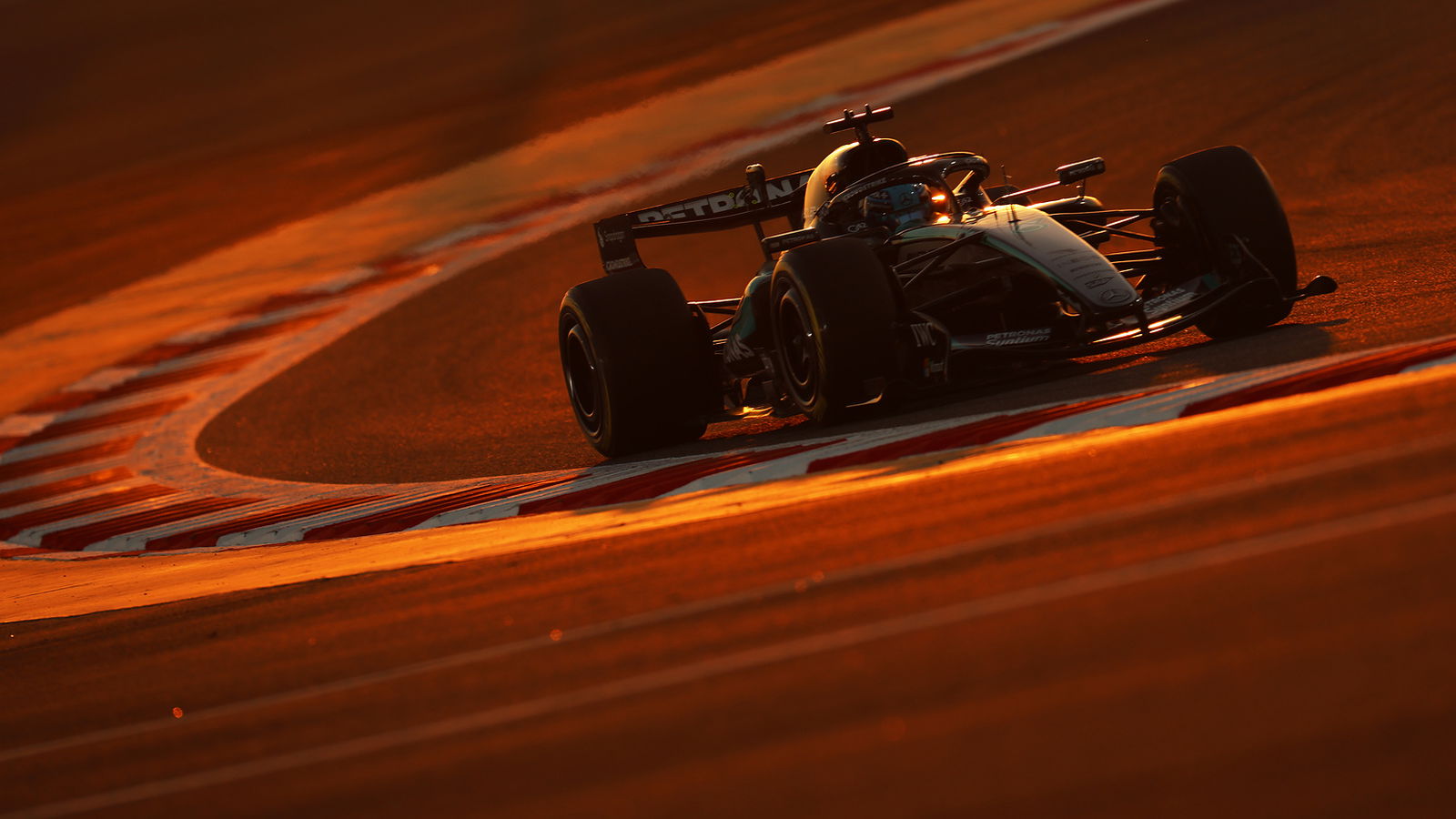
The excitement is palpable as the Formula 1 circus prepares to kick off the 2026 season with the Australian Grand Prix in Melbourne on March 8. With 11 teams and 22 drivers ready to battle it out on the track, the anticipation is building for what promises to be a thrilling season.
However, this year is not just about racing; it marks the introduction of significant new technical regulations that have already stirred up a whirlwind of opinions among drivers, teams, and fans alike. As the sport evolves, the implications of these changes are being scrutinized, setting the stage for a season filled with both competition and controversy.
Mixed Reactions to New Regulations
The introduction of new technical regulations has divided opinions within the paddock. Max Verstappen, the reigning champion, has been vocal about his dissatisfaction, labeling this era as his 'least favourite' in Formula 1 history. His criticism reflects a broader sentiment among some drivers who feel that the new rules have altered the essence of racing.
On the other hand, there are those who see potential in the changes. Alex Albon has suggested that the reset could benefit seasoned drivers like Lewis Hamilton, potentially allowing them to thrive under the new rules. This juxtaposition of views highlights the uncertainty surrounding the impact of the regulations on performance and competitiveness.
As teams like Williams have shown promise with significant improvements, the mid-pack battle is expected to be fierce. Last season, Williams made a notable leap, leaving rivals scrambling to catch up, and this trend may continue as teams adapt to the new landscape.
Testing Troubles and Triumphs
The pre-season testing in Bahrain revealed both challenges and successes for various teams. Mercedes, for instance, had a low-key end to their testing, raising questions about their readiness for the season. Meanwhile, Aston Martin faced reliability issues that hampered their performance, particularly due to battery problems and a lack of spare parts from Honda.
Conversely, the testing phase also showcased the adaptability of teams and drivers to the new regulations. Many drivers were caught off guard by the markedly different cars, which rendered over 15 years of driving style obsolete. This adaptation process will be crucial as the season progresses, with teams needing to find their footing quickly to remain competitive.
Jeremy Clarkson, commenting on the Bahrain testing, noted that the new regulations have already flagged some issues, suggesting that the upcoming season may be fraught with challenges. The mixed results from testing have left fans and analysts alike eager to see how these dynamics will play out on the track.
Looking Ahead: The Road to Melbourne
As the teams and drivers prepare for the Australian Grand Prix, the focus will be on how they translate their testing experiences into race performance. The excitement of a new season is always accompanied by uncertainty, and this year is no different. With the new regulations in play, the potential for surprises is high.
Fans will be watching closely to see if the pre-season predictions hold true and how the established teams adapt to the challenges posed by the new rules. The stage is set for an exhilarating season, and as the cars hit the track in Melbourne, the true test of these new regulations will begin.
Key Takeaways
- The 2026 F1 season kicks off in Melbourne on March 8.
- Max Verstappen criticizes the new regulations as his 'least favourite' era.
- Alex Albon suggests Lewis Hamilton could benefit from the new rules.
- Mercedes and Aston Martin faced challenges during Bahrain testing.
- Mixed reactions to the new technical regulations are prevalent in the paddock.
Sources
- Crash.net: Who is on top after testing? Our verdict on the F1 2026 pecking order
- motorsportweek.com: Why F1 2026 promises to deliver another enthralling midfield battle
- PlanetF1: Max Verstappen: F1 2026 ‘not pure Formula 1’
- PlanetF1: Jeremy Clarkson fears F1 2026 chaos after Bahrain testing
- PlanetF1: Jolyon Palmer spots big Mercedes statement despite Ferrari race start edge
- motorsportweek.com: Jeremy Clarkson delivers take on new F1 rules with ‘Drive to Survive’ quip
- PlanetF1: Alex Albon makes bold Lewis Hamilton prediction for F1 2026 era
- motorsportweek.com: F1 Testing Debrief: I could drive the new cars – Fernando Alonso said so
- Crash.net: Max Verstappen continues F1 2026 criticism with stinging 'least favourite' swipe
- PlanetF1: F1 news: Aston Martin Honda dilemma; Lewis Hamilton receives F1 2026 title boost