

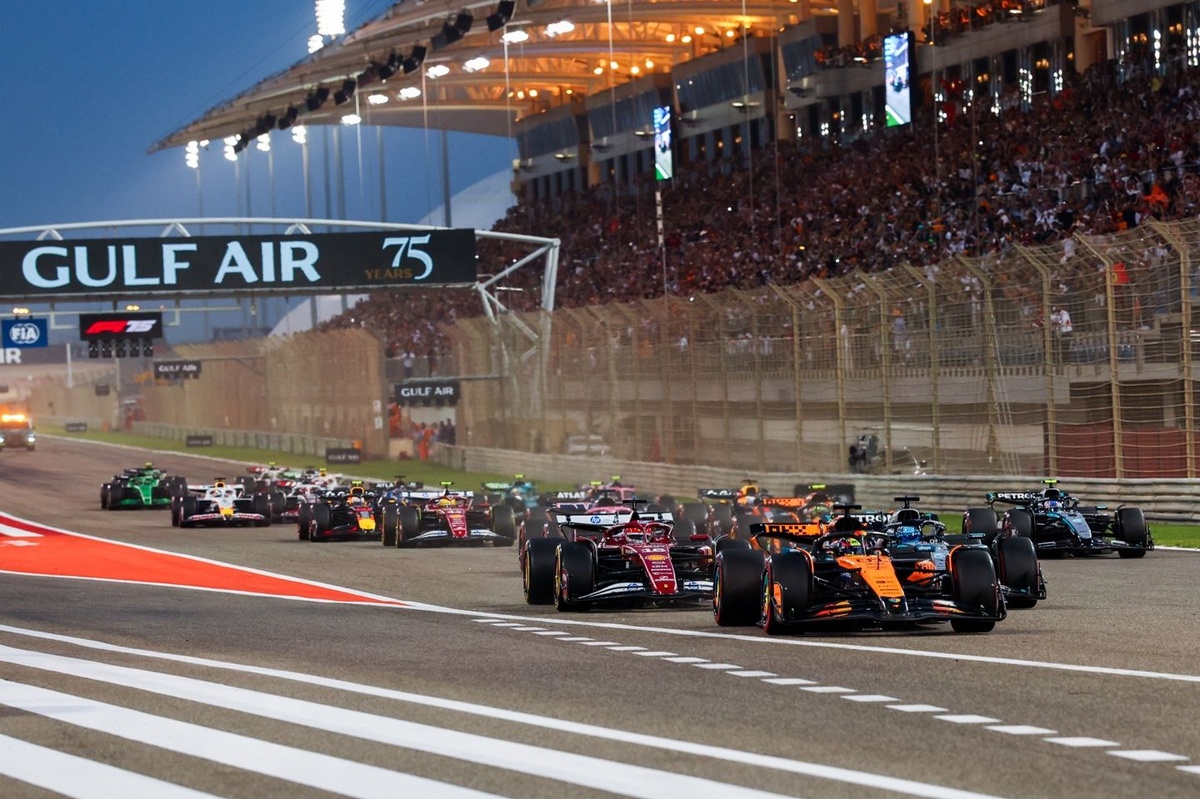
In a significant move reflecting the current geopolitical climate, Formula 1 has officially cancelled the upcoming races in Bahrain and Saudi Arabia. This decision comes in light of the ongoing war in Iran, which has raised safety concerns for teams, drivers, and fans alike. The cancellation marks a pivotal moment for the sport, as it navigates the complexities of hosting events in regions affected by conflict.
The Bahrain Grand Prix and the Saudi Arabian Grand Prix were scheduled for April, and their cancellation has sent ripples through the F1 community. With the sport's global appeal, the implications of this decision extend beyond just the races themselves, affecting sponsorships, logistics, and the overall calendar for the season.
Impact of Geopolitical Tensions
The cancellation of the Bahrain and Saudi Arabian races underscores the profound impact that geopolitical tensions can have on international sporting events. As the war in Iran escalates, concerns over safety and security have become paramount. F1's decision to cancel these races reflects a commitment to ensuring the well-being of all participants, including drivers, teams, and fans.
According to reports from Motorsport.com and Crash.net, the decision was made after thorough discussions among F1 officials and stakeholders. The sport has faced similar challenges in the past, but the current situation presents unique risks that could not be overlooked. The ramifications of this cancellation will likely be felt throughout the season, as teams adjust their strategies and schedules in response to the changing landscape.
Looking Ahead: The Future of F1 in the Region
As Formula 1 moves forward, the future of racing in the Middle East remains uncertain. The cancellation of these two races raises questions about the viability of hosting events in regions experiencing political instability. While F1 has previously embraced the Middle East as a key market, the current circumstances may prompt a reevaluation of future engagements.
F1's leadership, including CEO Stefano Domenicali, will need to navigate these challenges carefully. The sport's global brand relies on its ability to adapt and respond to external pressures, and the ongoing conflict in the region will undoubtedly shape its strategy moving forward. Fans and stakeholders alike will be watching closely to see how F1 addresses these issues in the coming months.
What's Next for Formula 1?
In light of the cancellations, F1 will need to focus on reshaping its calendar and exploring alternative venues for the upcoming season. The sport's adaptability has been tested in the past, and this situation will be no different. Teams and drivers will be eager to return to the track, and finding suitable replacements for the cancelled races will be a priority.
As the situation evolves, F1's commitment to safety and security will remain at the forefront of its decision-making process. The sport's ability to respond to these challenges will not only define its immediate future but also its long-term relationship with the Middle Eastern market.
Key Takeaways
- F1 cancels Bahrain and Saudi Arabian races due to the Iran war.
- Safety concerns prompted the decision to cancel the events.
- The cancellations highlight the impact of geopolitical tensions on sports.
- F1 leadership is reevaluating future engagements in the Middle East.
- Teams will need to adjust their strategies and schedules accordingly.