

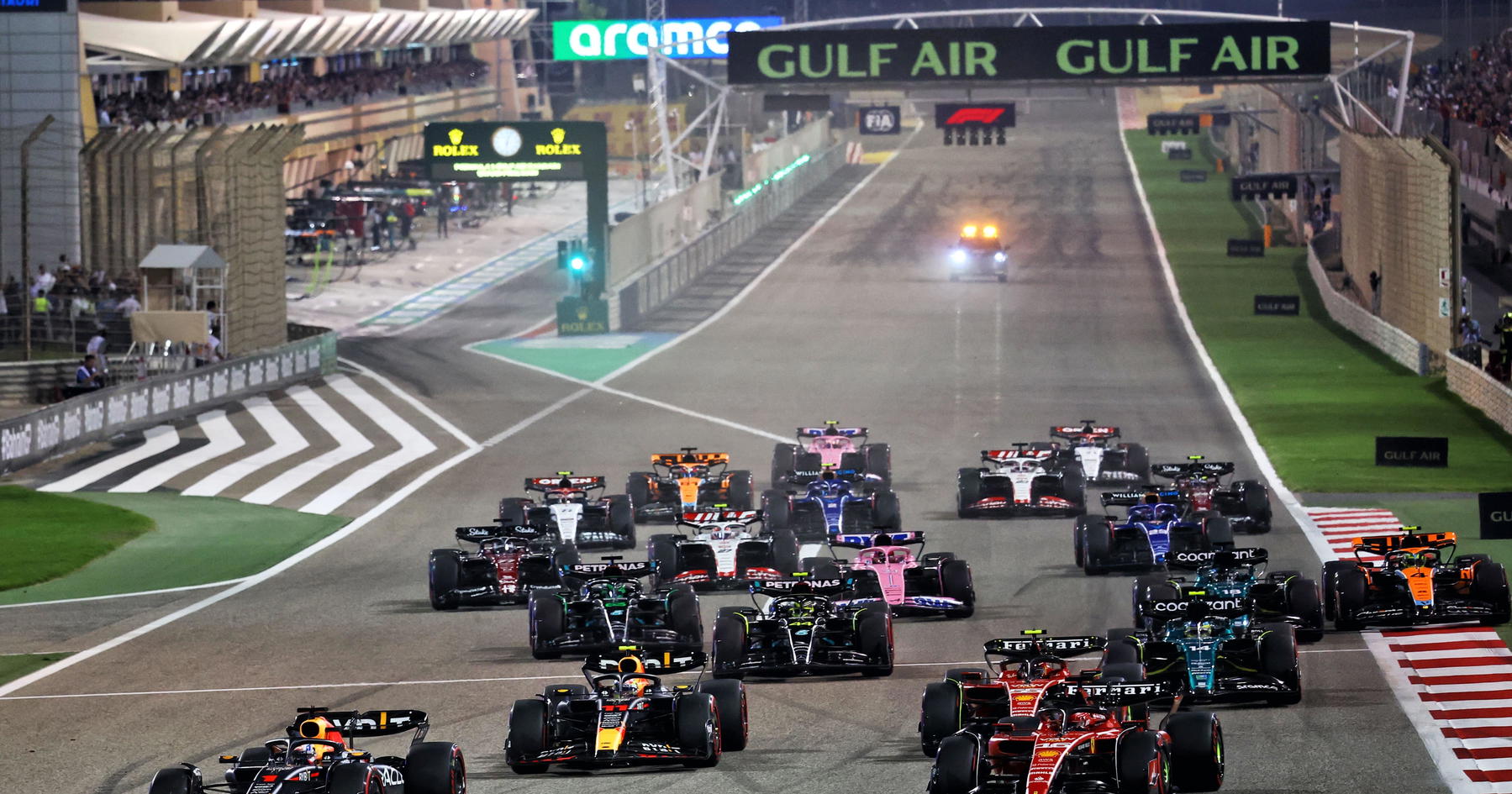
As the Formula 1 season gears up for its next races, a looming crisis in the Middle East casts a shadow over the sport. With the ongoing conflict, there are growing concerns that the scheduled Grands Prix in Bahrain and Saudi Arabia may be at risk of cancellation. This situation not only affects the teams and drivers but also the fans eagerly awaiting the high-octane action that F1 promises.
The potential for a race-less April is unprecedented in recent F1 history. The Bahrain Grand Prix is set to kick off the month, followed closely by the Saudi Arabian GP. However, the escalating tensions in the region have prompted discussions about the viability of these events. According to RacingNews365, the possibility of no races in April is becoming a serious consideration for F1 officials.
Impact of the Middle East Conflict
The ongoing war in the Middle East has raised alarms not just for the safety of the races but also for the logistical challenges that come with hosting such high-profile events in a conflict zone. Motorsportweek.com reports that the back-to-back races scheduled for April could face cancellation due to these circumstances. The implications of such cancellations would be significant, affecting teams' preparations, sponsorships, and the overall championship standings.
Moreover, the cancellation of these races would not be a simple matter of rescheduling. Crash.net has confirmed that if the Bahrain and Saudi Arabian Grands Prix are indeed cancelled, they are unlikely to be replaced with alternative events. This decision underscores the seriousness of the situation and the potential for a disrupted season, which could leave fans and teams alike in a state of uncertainty.
The Road Ahead for F1
As the situation develops, F1's governing body will need to navigate these challenges carefully. The safety of all participants is paramount, and any decision made will reflect that priority. Teams and drivers are currently in a holding pattern, awaiting further updates on the status of the April races. The uncertainty surrounding the schedule could lead to strategic shifts for teams as they prepare for the remainder of the season.
Looking ahead, F1 must also consider the broader implications of these cancellations on the sport's global image and fan engagement. The potential for a race-less month could dampen enthusiasm and affect viewership, which is critical for the sport's financial health. As discussions continue, stakeholders will be keenly watching how F1 manages this crisis.
What's Next for Formula 1?
In the coming weeks, F1 officials will need to make crucial decisions regarding the April races. The situation remains fluid, and updates are expected as the conflict evolves. Fans and teams alike are hoping for a resolution that allows the races to proceed safely, but the reality is that the sport may need to adapt to an unprecedented scenario.
As the world watches, F1's response to this crisis will be pivotal in shaping its future. The sport's resilience will be tested, and how it navigates these challenges could redefine its approach to international events in conflict-prone regions.
Key Takeaways
- F1 may face no races in April due to Middle East conflict.
- Bahrain and Saudi Arabian Grands Prix are at risk of cancellation.
- If cancelled, these races are unlikely to be replaced.
- Safety of participants is F1's top priority amid ongoing tensions.
- The situation could impact teams' strategies and championship standings.