

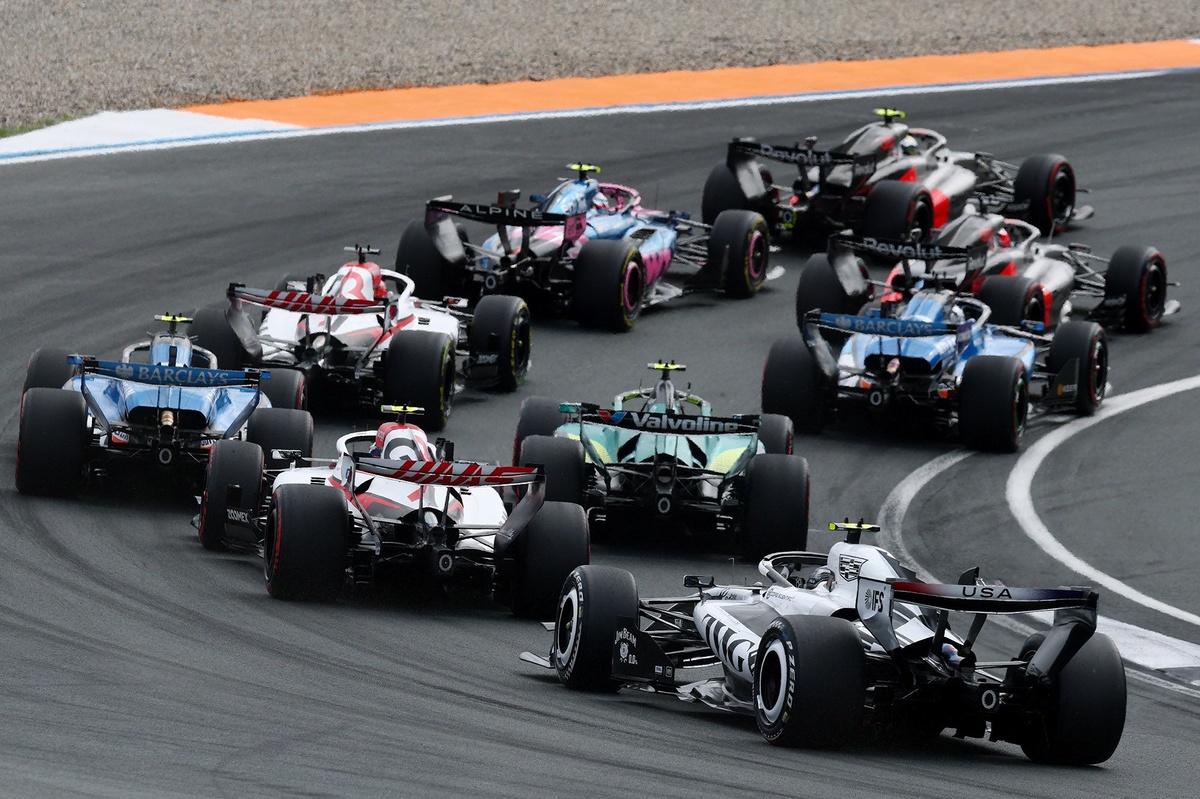
In a groundbreaking move, Formula 1 is set to shorten its race distances starting in the 2027 season. This decision comes as part of a broader strategy to balance electrical and internal-combustion power within the sport, reflecting F1's commitment to sustainability and innovation. The change has been unanimously backed by teams, signaling a collective agreement on the future direction of the series.
The standard race distance will be reduced from 305 kilometers to approximately 290 kilometers, a decrease of 15 kilometers. This shift is expected to not only alter the dynamics of racing but also enhance the spectacle for fans, potentially leading to more strategic and exciting races. As the sport evolves, this decision marks a significant step towards adapting to modern demands and expectations.
The Rationale Behind the Change
The decision to shorten race distances is rooted in a desire to adapt to the changing landscape of motorsport. With the increasing emphasis on hybrid technology and sustainability, F1 aims to create a more balanced competition between electric and traditional combustion engines. By reducing race lengths, teams can optimize their strategies, focusing on efficiency and performance without compromising the excitement of the race.
Moreover, shorter races may lead to increased viewer engagement, as fans can expect more action in a condensed timeframe. This aligns with the growing trend in sports to cater to audiences who prefer quicker, more dynamic events. As F1 continues to innovate, this change could set a precedent for other racing series to follow, highlighting the sport's leadership in embracing modernity.
Implications for Teams and Drivers
The implications of shorter races extend beyond just the race distance; they will also affect team strategies and driver performance. Teams will need to recalibrate their approaches to race day, focusing on maximizing performance within a shorter timeframe. This could lead to more aggressive tactics, as teams seek to capitalize on every opportunity to gain an advantage.
For drivers, the change may alter their physical and mental preparation for races. With less time on the track, the emphasis on quick decision-making and adaptability will be paramount. As the 2027 season approaches, teams and drivers will need to adapt to these new dynamics, ensuring they are ready for the challenges that lie ahead.
What's Next for Formula 1?
As the 2027 season approaches, fans and stakeholders alike are eager to see how these changes will unfold. The reduction in race distances is just one aspect of a broader evolution within Formula 1, which is continuously seeking to enhance the sport's appeal and sustainability. The upcoming seasons will likely see further innovations as F1 navigates the balance between tradition and modernity.
Looking ahead, the focus will be on how teams adapt to these new race formats and the potential impact on championship battles. With the backing of the FIA and Formula 1 Management, this initiative could redefine the racing experience, making it more thrilling for fans and competitors alike.
Key Takeaways
- F1 races will be shortened from 305km to approximately 290km in 2027.
- The change aims to balance electrical and internal-combustion power.
- Teams unanimously supported the proposal for shorter race distances.
- Shorter races may enhance viewer engagement and excitement.
- Teams will need to adapt strategies for the new race format.
- Drivers will face new challenges in quick decision-making.
- The change reflects F1's commitment to sustainability and innovation.
- Further innovations are expected as F1 evolves.