

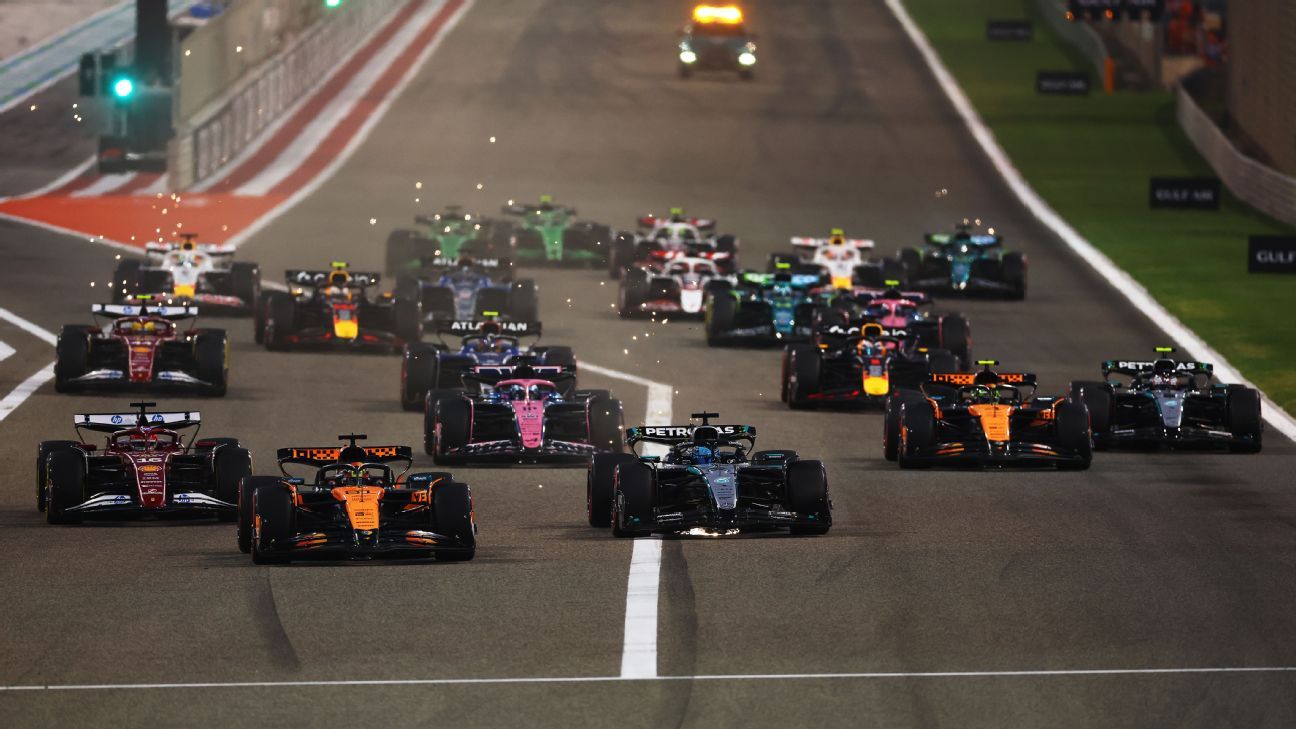
With the Bahrain and Saudi Arabian Grands Prix on the horizon, Formula 1 finds itself in a precarious position as tensions escalate in the Middle East. The sport's governing bodies, including the FIA, are closely monitoring the situation, ensuring the safety of teams, drivers, and fans alike. The backdrop of conflict raises questions about the viability of hosting these high-profile races in a region currently experiencing significant unrest.
Recent developments have prompted F1 to take a proactive stance. The organization has publicly stated its commitment to assessing the situation continuously, reflecting a growing awareness of the geopolitical landscape that could impact the sport. As the countdown to the races begins, the implications of these tensions loom large over the F1 calendar, making it a pivotal moment for the sport's leadership.
F1's Vigilant Approach to Safety
In light of the ongoing conflict, Formula 1 and the FIA are taking no chances. They are actively monitoring the situation in the Middle East, particularly in relation to the upcoming Grands Prix in Bahrain and Saudi Arabia. The potential for escalation in violence has raised concerns about the safety of all involved, prompting F1 to reassess its plans and protocols.
The commitment to safety is paramount, and F1's leadership is in constant communication with local authorities and international bodies to gauge the situation's stability. This vigilance reflects a broader trend within the sport to prioritize the well-being of participants and fans, especially in regions facing unrest. The decision-making process will likely involve a careful evaluation of security measures and contingency plans as the race dates draw nearer.
Pirelli's Cautious Moves Amid Tensions
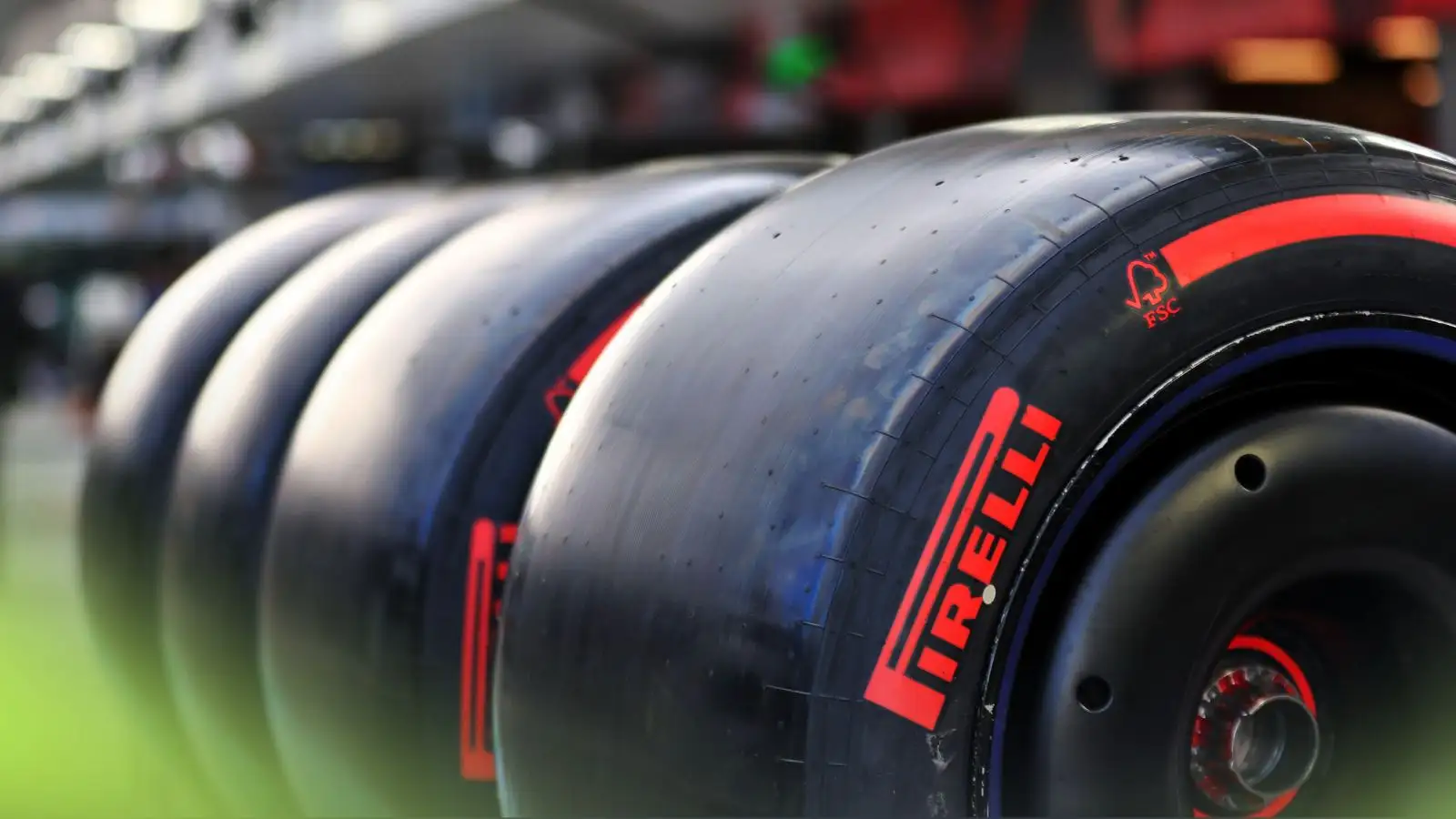
Adding to the complexities of the situation, Pirelli has recently canceled its two-day wet tyre test scheduled at the Bahrain International Circuit. This decision underscores the impact of the escalating conflict on F1 operations, as the tire supplier prioritizes safety amid uncertain conditions.
The cancellation of the test not only affects Pirelli's preparations but also highlights the broader implications for teams and drivers who rely on thorough testing to optimize performance. As the sport navigates these challenges, the focus remains on ensuring that all necessary precautions are taken to safeguard the integrity of the races and the safety of everyone involved.
What's Next for Formula 1?
Looking ahead, the situation in the Middle East will continue to be a focal point for Formula 1 as it approaches the Bahrain and Saudi Arabian Grands Prix. The sport's leadership must balance the excitement of racing with the realities of geopolitical tensions, making decisions that prioritize safety without compromising the spirit of competition.
As the dates draw closer, fans and stakeholders alike will be watching closely to see how F1 navigates this challenging landscape. The outcome of these races could set a precedent for how the sport handles similar situations in the future, emphasizing the need for adaptability and foresight in an ever-changing world.
Key Takeaways
- F1 is closely monitoring the Middle East situation ahead of Bahrain and Saudi races.
- The FIA is in constant communication with local authorities regarding safety.
- Pirelli has canceled its wet tyre test in Bahrain due to escalating tensions.
- Safety of teams, drivers, and fans is the top priority for F1 leadership.
- The upcoming races could set a precedent for F1's response to geopolitical issues.
Sources
- ESPN: F1 monitoring Bahrain, Saudi Arabian GPs amid Middle East conflict
- PlanetF1: Missile strike near Bahrain forces Pirelli to cancel wet tyre test
- PlanetF1: F1 and FIA monitoring Gulf tensions, Bahrain and Saudi races still on track
- motorsportweek.com: F1 and FIA keep tabs on Middle East conflict as Pirelli test cancelled