

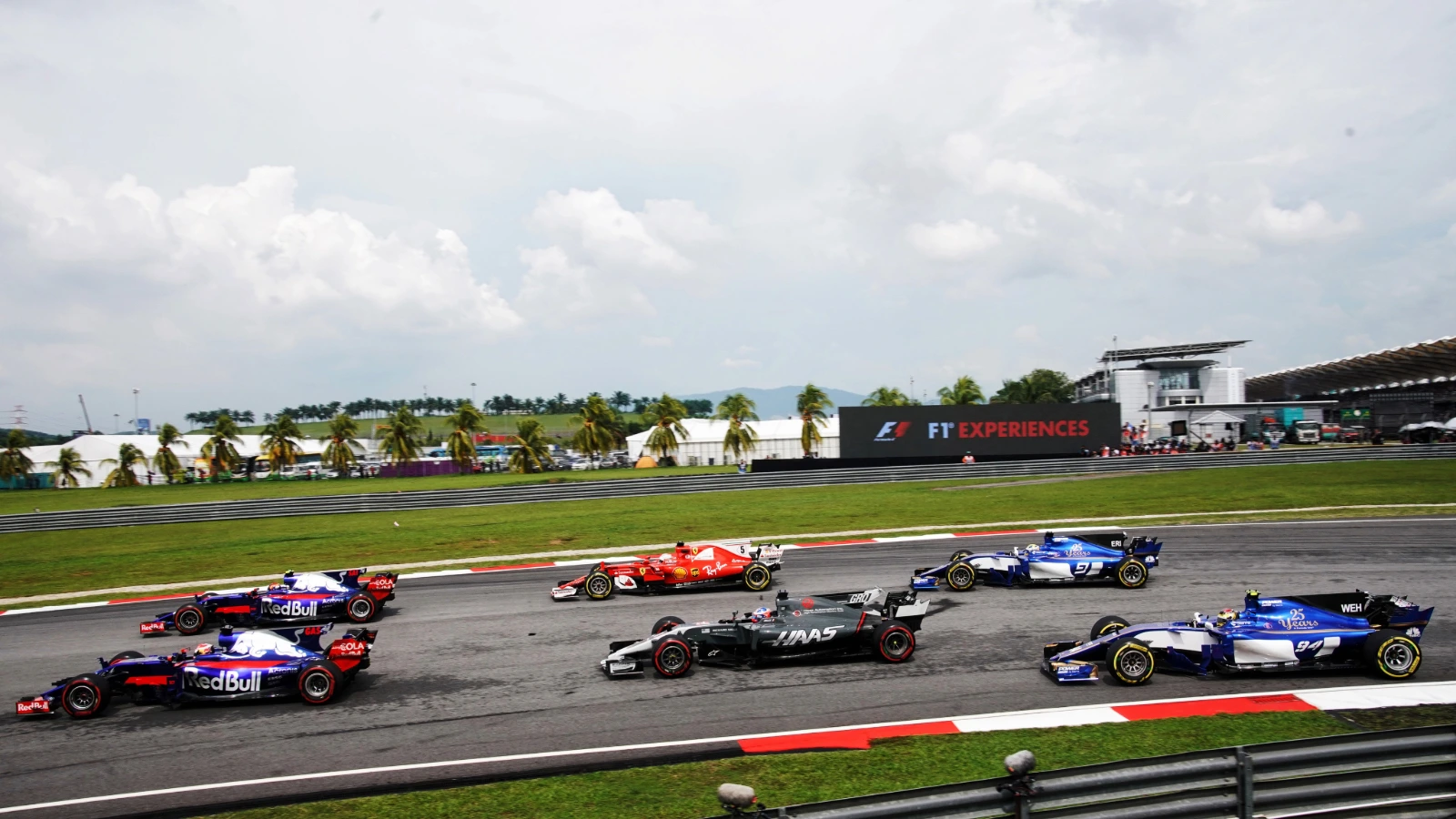
The excitement is palpable as Formula 1 returns to the Sepang International Circuit for the Bahrain Grand Prix this weekend. Originally scheduled to take place in Bahrain, the race has been relocated to Malaysia, marking a significant moment in the 2026 season. This change comes after the Bahrain Grand Prix was postponed earlier in the year, and now fans are eager to see how the teams and drivers adapt to the unique challenges of the Sepang track.
With the backdrop of Malaysia's tropical climate, the race promises to be a thrilling spectacle. However, the FIA has declared a heat hazard for the event, raising concerns about the extreme temperatures and humidity that drivers will face. As teams prepare for the race, they must also navigate the potential for rain, which could add another layer of complexity to the already challenging conditions.
Heat Hazards and Weather Challenges
The FIA's declaration of a heat hazard for the Bahrain Grand Prix is a crucial development for the teams and drivers. With soaring temperatures expected, additional measures have been implemented to ensure the safety and performance of the competitors. This includes adjustments to hydration protocols and race strategies, as teams must consider how the heat will impact tire performance and driver stamina.
Moreover, the unpredictable weather in Malaysia adds an element of uncertainty. Heavy rain is common in the region, and while the forecast remains uncertain, drivers like Lando Norris have predicted that the race could be 'chaotic.' This unpredictability could lead to thrilling on-track action, as teams may need to adapt their strategies on the fly, depending on the weather conditions.
Team Dynamics and Future Speculations
As the race approaches, team dynamics are also in the spotlight. Ferrari has recently moved to quell speculation surrounding the future of team principal Fred Vasseur amid links to Christian Horner. Such rumors can create distractions, but Ferrari is focused on delivering strong performances on the track. Meanwhile, Lewis Hamilton has expressed his support for the return to Sepang, emphasizing the importance of the circuit in F1 history and its potential to deliver exciting racing.
In addition to team politics, the ongoing development of the new regulation 2026 cars has yet to see a collective session in the rain. This lack of experience in wet conditions could prove pivotal if rain does indeed play a role in the race, as teams will have to rely on simulations and past experiences to navigate the challenges.
What's Next for F1
Looking ahead, the Bahrain Grand Prix at Sepang is set to be a defining moment in the 2026 season. With the combination of heat hazards, potential rain, and team dynamics, fans can expect a race filled with drama and excitement. As drivers prepare to tackle the challenges of the Sepang International Circuit, the outcome could significantly impact the championship standings.
As the race weekend unfolds, all eyes will be on the teams' strategies and how they adapt to the ever-changing conditions. The anticipation is building, and the stage is set for what promises to be an unforgettable race.
Key Takeaways
- F1 returns to Sepang for the Bahrain Grand Prix this weekend.
- The FIA has declared a heat hazard due to extreme temperatures.
- Lando Norris predicts a 'chaotic' race amid weather uncertainties.
- Ferrari addresses speculation about team principal Fred Vasseur.
- Lewis Hamilton supports the return to the historic Sepang Circuit.
- No collective rain session yet for the new 2026 regulation cars.
- The race could significantly impact the championship standings.
Sources
- RacingNews365: 2026 F1 Bahrain Grand Prix in Malaysia - weather forecast
- motorsportweek.com: FIA makes vital weather decision for Bahrain GP in Malaysia
- Crash.net: Is it going to rain at the F1 Bahrain GP in Malaysia? Full weather forecast
- RacingNews365: 5 Things You Need to Know About Sepang
- RacingNews365: FIA declares heat hazard as F1 prepares for gruelling physical test
- RacingNews365: Lando Norris delivers 'chaotic' prediction as F1 returns to Malaysia
- Crash.net: F1 2026 Bahrain Grand Prix in Malaysia: Start time and TV schedule
- RacingNews365: Sebastian Vettel hitches a ride from F1 rival after bizarre post-race crash
- PlanetF1: Bahrain Grand Prix in Malaysia: Why has this switch occurred?
- RacingNews365: Ferrari take unusual Christian Horner step as Fernando Alonso makes retirement decision - RacingNews365 Review
- RacingNews365: Lewis Hamilton identifies two key reasons for F1 to race in Malaysia
- PlanetF1: FIA issues major heat warning for Bahrain Grand Prix in Malaysia