

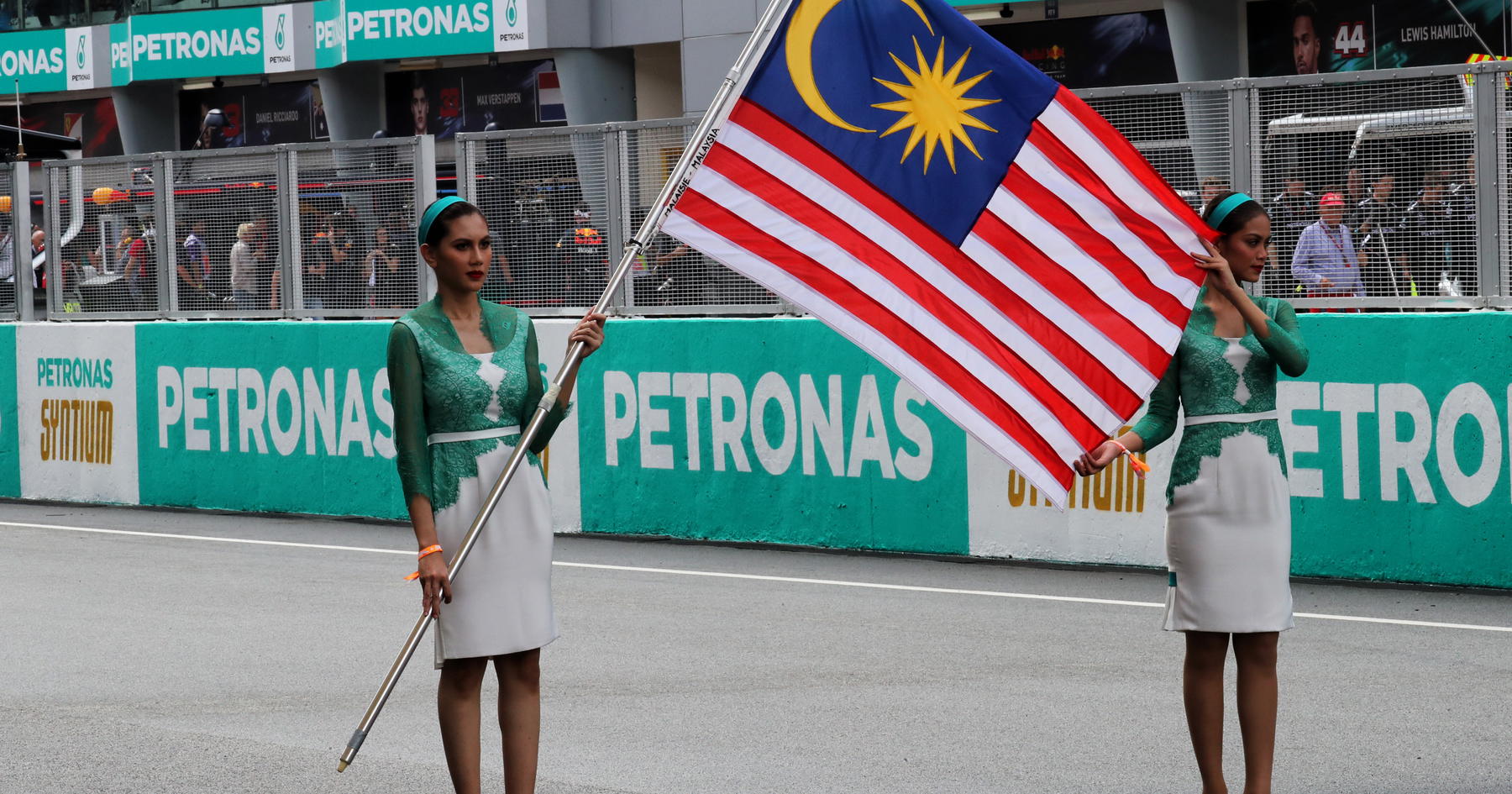
The Formula 1 circus is set to return to the Sepang International Circuit for the first time in nine years, reigniting memories of the thrilling races that once captivated fans in Malaysia. Between 1999 and 2017, Sepang hosted 18 editions of the Malaysian Grand Prix, becoming a beloved venue for drivers and spectators alike. The anticipation surrounding this comeback is palpable, as teams prepare to navigate the unique challenges that the circuit presents.
With the Bahrain Grand Prix relocated to Malaysia due to security concerns in the Middle East, the Sepang International Circuit is once again in the spotlight. This unexpected shift not only brings the excitement of F1 back to Malaysia but also raises questions about how teams will adapt to the track's distinctive characteristics after nearly a decade away.
A Historic Venue with New Challenges
The Sepang International Circuit is renowned for its challenging layout and unpredictable weather conditions, which have historically played a significant role in race outcomes. As teams prepare for this weekend's race, they face a myriad of unknowns, from tire strategies to car setups, all of which could be influenced by the circuit's unique features. The return to Sepang is not just a nostalgic trip down memory lane; it is a test of adaptability for teams that have evolved significantly since their last visit.
The Malaysian Grand Prix has seen its fair share of dramatic moments, from rain-soaked races to unexpected podium finishes. The unpredictability of the weather at Sepang means that teams must be prepared for anything, making strategic decisions crucial. As the teams gear up for this weekend, they will need to leverage their experience while remaining flexible to the conditions that may arise.
The Road Ahead for F1 in Malaysia
The relocation of the Bahrain Grand Prix to Sepang marks a significant moment for Formula 1, highlighting the sport's ability to adapt to changing circumstances. This move not only showcases the resilience of the F1 calendar but also emphasizes the importance of venues like Sepang in maintaining the sport's global appeal. With its rich history and enthusiastic fanbase, Malaysia is poised to re-establish itself as a key player in the F1 landscape.
Looking forward, the return to Sepang could pave the way for more races in the region, as F1 seeks to expand its footprint in Asia. The excitement generated by this weekend's event may reignite interest in the Malaysian Grand Prix, potentially leading to a more permanent fixture on the calendar. As teams and fans alike prepare for this thrilling return, the future of F1 in Malaysia looks promising.
What's Next for F1 in Malaysia
As the engines roar back to life at Sepang, the focus will be on how teams adapt to the challenges presented by this iconic circuit. The excitement surrounding the Malaysian Grand Prix is not just about the race itself but also about the potential for future events in the region. With the successful execution of this race, F1 may find itself returning to Malaysia more frequently, further solidifying its presence in Asia.
Fans can expect a weekend filled with high-stakes racing, strategic battles, and perhaps a few surprises along the way. The return of F1 to Sepang is a testament to the enduring allure of the sport and its ability to captivate audiences around the world.
Key Takeaways
- Sepang hosted 18 editions of the Malaysian Grand Prix from 1999 to 2017.
- F1 returns to Sepang for the first time in nine years.
- The Bahrain Grand Prix has been relocated to Malaysia due to security concerns.
- Teams face various unknowns as they adapt to the unique challenges of Sepang.
- The unpredictable weather at Sepang adds an extra layer of complexity to race strategies.