


The world of Formula 1 is no stranger to regulatory changes, and as the 2026 season approaches, the sport has rolled out some tweaks to its regulations ahead of the Miami Grand Prix. These modifications aim to address ongoing concerns about the sport's technical framework, particularly regarding power units and overall race dynamics. However, the reception from drivers has been far from unanimous.
With the Miami GP serving as a backdrop for these changes, the reactions from the drivers have highlighted a divide in opinion. While some see potential in the adjustments, others remain skeptical about their effectiveness, particularly in resolving longstanding issues that have plagued the sport. As the season unfolds, the implications of these changes will be closely scrutinized.
Driver Reactions to the 2026 Changes
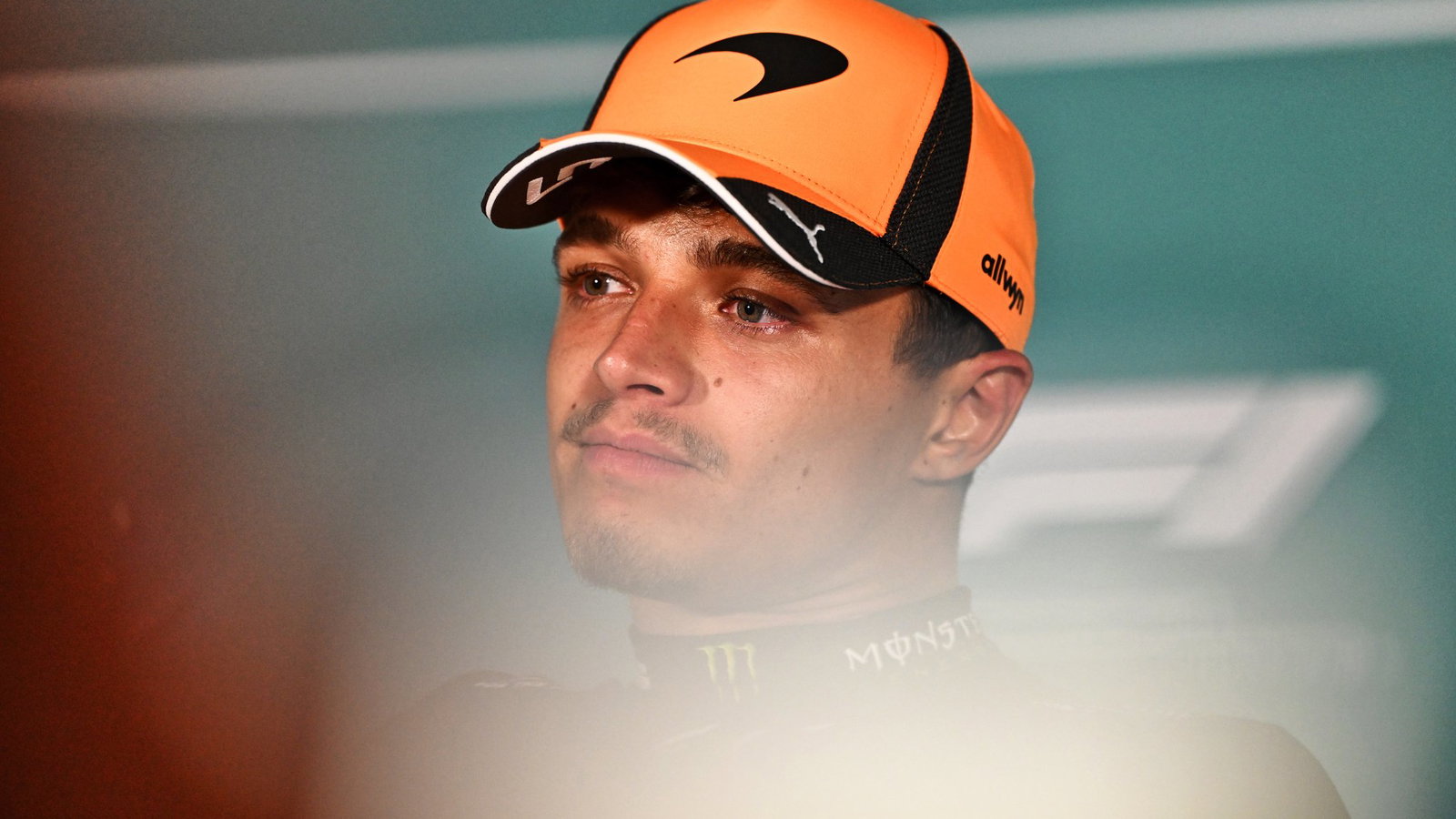
Among the most vocal critics of the new regulations is Lando Norris, who has openly expressed his doubts about the effectiveness of the changes. According to Norris, the modifications do not meet the high standards expected in Formula 1, suggesting that they may not adequately address the sport's ongoing challenges. His comments reflect a broader sentiment among some drivers who feel that the tweaks are merely superficial and fail to tackle the core issues.
Norris's concerns are echoed by others in the paddock, who have noted that the changes have not significantly altered the competitive landscape. The feedback from the Miami Grand Prix's top finishers indicates that the adjustments have had little impact on the power unit issues that have been a point of contention for teams and drivers alike. This raises questions about the effectiveness of the regulatory body in implementing changes that genuinely enhance the sport.
The Impact on Power Units and Race Dynamics
The recent modifications to the 2026 technical regulations were intended to improve the reliability and performance of power units, a critical aspect of F1 racing. However, reports from the Miami Grand Prix suggest that these changes have not significantly alleviated the power unit issues that have been a persistent concern for teams. The top three finishers confirmed that the alterations made little difference in their performance, indicating that the underlying problems remain unresolved.
This situation raises important questions about the direction of F1's regulatory framework. While the sport aims to innovate and enhance the racing experience, the effectiveness of these changes will ultimately be judged by their ability to foster competitive racing and improve reliability. As teams continue to adapt to the evolving landscape, the need for more substantial reforms may become increasingly apparent.
What's Next for F1 and Its Regulations?
Looking ahead, the future of F1's regulations will likely hinge on the feedback from drivers and teams as they navigate the complexities of the 2026 season. The mixed reactions to the recent tweaks suggest that further adjustments may be necessary to truly address the concerns surrounding power units and race dynamics.
As the season progresses, it will be crucial for the FIA and F1 to engage with drivers and teams to ensure that the regulations not only promote competitive racing but also enhance the overall experience for fans. The ongoing dialogue between stakeholders will be vital in shaping the future of the sport.
Key Takeaways
- F1 introduced tweaks to its 2026 regulations ahead of the Miami GP.
- Lando Norris expressed skepticism about the effectiveness of the changes.
- Drivers reported little impact on power unit issues from the new regulations.
- The reception of the changes highlights a divide among drivers.
- Ongoing dialogue between F1 and teams is essential for future regulations.