

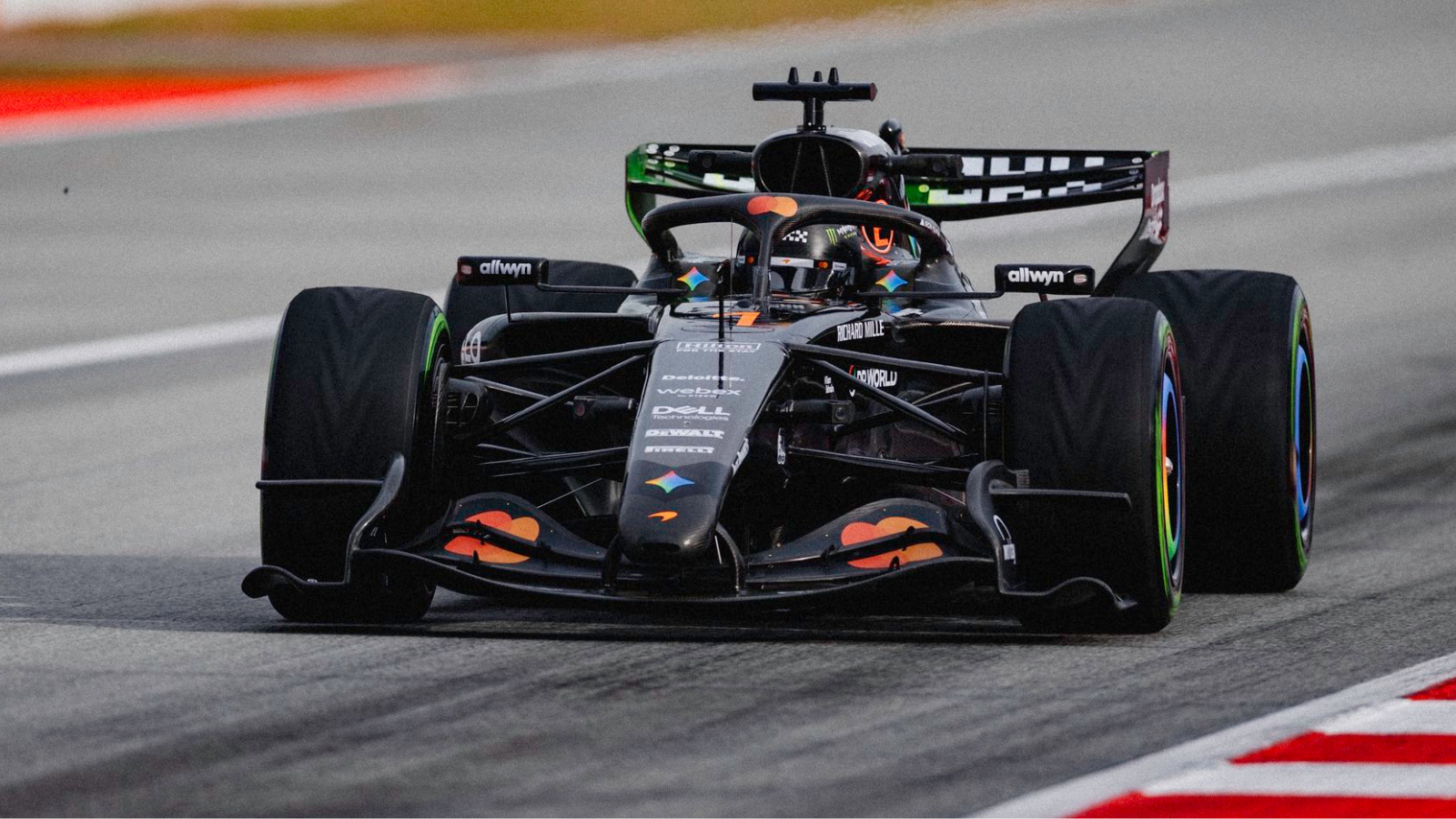
The Formula 1 landscape is once again embroiled in controversy as teams prepare for the 2026 season. At the heart of the debate is the contentious issue of engine compression ratios, which has sparked significant discussion among teams and stakeholders. With the FIA's regulatory framework under scrutiny, the implications of these changes could reshape the competitive balance in the sport.
McLaren has taken a vocal stance on the matter, expressing their concerns regarding the ongoing engine compression row. Meanwhile, Mercedes finds itself in a precarious position, facing potential disqualification from the Australian Grand Prix due to lobbying from rival teams for a rule change. As the season approaches, the tension surrounding these developments is palpable, and the decisions made in the coming weeks will be critical for all involved.
McLaren's Position on Engine Compression
McLaren has publicly addressed the engine compression debate, highlighting the typical politics that often accompany such changes in Formula 1. The team’s management has emphasized the need for clarity and fairness in the regulations as they prepare for the upcoming season. Their comments reflect a broader concern within the paddock about how these changes could impact performance and competitiveness.
As teams like McLaren navigate these turbulent waters, the call for transparency in the FIA's decision-making process grows louder. The implications of engine compression ratios extend beyond mere technical specifications; they could significantly influence the championship race and the strategies employed by teams. McLaren's proactive approach underscores their commitment to ensuring a level playing field in the sport.
Mercedes Faces Disqualification Threat
In a twist of fate, Mercedes is currently facing the prospect of disqualification from the Australian Grand Prix due to the ongoing engine compression controversy. Rivals have been lobbying the FIA for a rule change that could affect Mercedes' competitive edge, raising questions about the integrity of the sport's regulatory framework. This situation has placed immense pressure on the team, which is already grappling with the implications of potential changes to engine specifications.
Toto Wolff, the team principal of Mercedes, has made it clear that the team will not resort to legal action in response to any late changes in the rules. "There is no such scenario that we would sue anyone," he stated, indicating a willingness to accept the FIA's decisions, even if they may not be in Mercedes' favor. This stance reflects a broader commitment to the sport's integrity, even amidst the challenges posed by rival teams.
What's Next for F1 Teams?
As the 2026 season looms closer, the focus will undoubtedly remain on how the FIA addresses the engine compression issue. Teams are bracing for potential changes that could alter the competitive landscape, and the decisions made in the coming weeks will be pivotal. For McLaren, maintaining a strong voice in the discussions will be crucial as they seek to protect their interests.
For Mercedes, the challenge lies in adapting to the evolving regulations while ensuring they remain competitive. The team's commitment to not pursue legal avenues suggests a desire to work collaboratively with the FIA and other teams to find a resolution. As the situation develops, fans and stakeholders alike will be watching closely to see how these dynamics unfold.
Key Takeaways
- McLaren speaks out on engine compression issues ahead of 2026 season.
- Mercedes faces potential disqualification from the Australian Grand Prix.
- Toto Wolff rules out legal action against late engine rule changes.
- Rival teams lobby the FIA for changes to engine compression ratios.
- The outcome of these discussions could reshape the competitive landscape.