

The world of Formula 1 is currently navigating a significant transformation with the introduction of new technical regulations for the 2026 season. These changes have not only stirred excitement among fans but have also led to a divide in opinions within the paddock. As teams adapt to these regulations, the implications for performance and competition are becoming increasingly apparent.
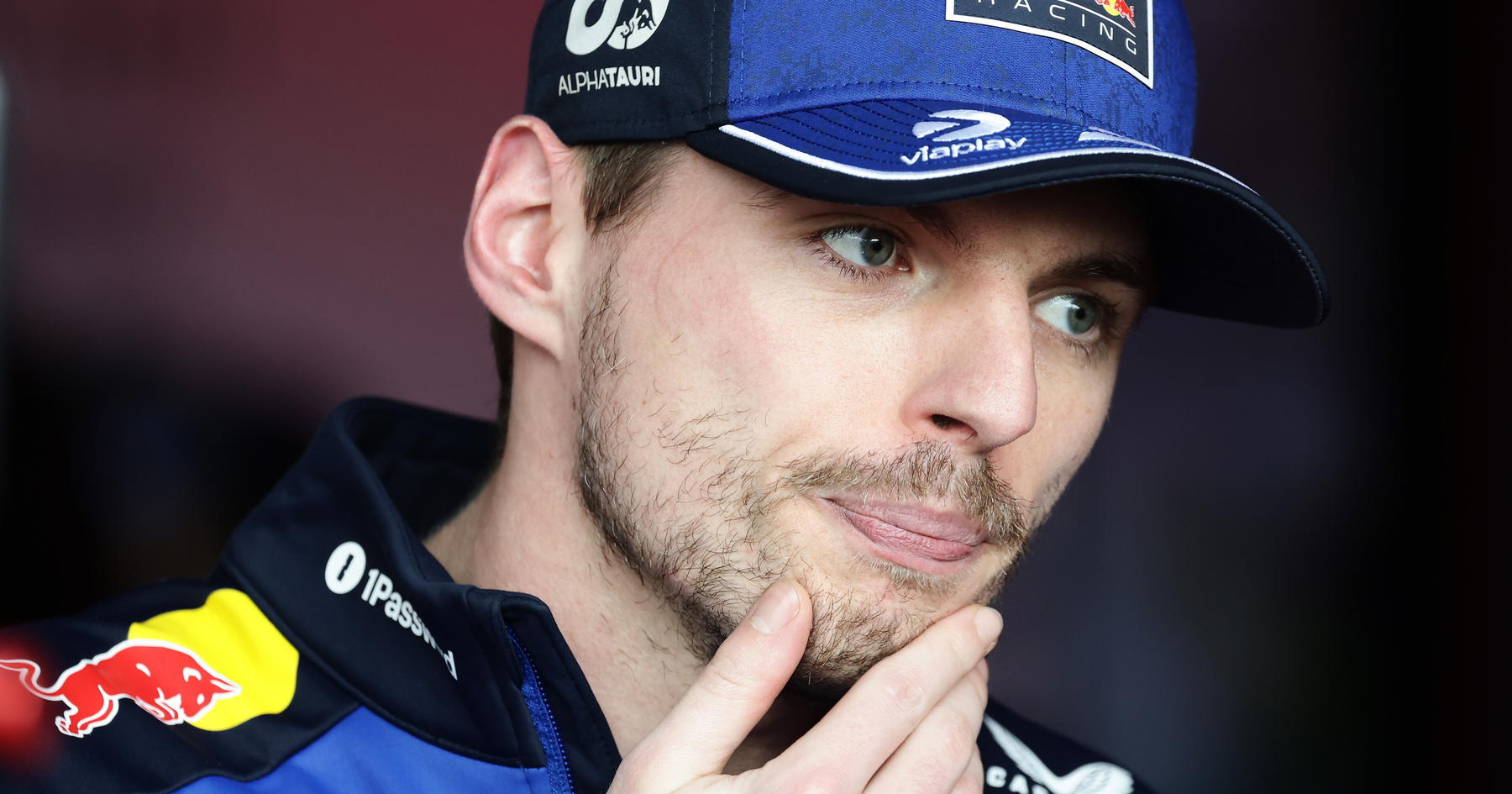
Among the key figures in this evolving landscape is Max Verstappen, who has expressed concerns about the new rules. His negativity has raised eyebrows, particularly as it could potentially allow younger talents like Isack Hadjar to carve out a niche within Red Bull Racing. With the F1 Commission set to meet soon, the future of these regulations hangs in the balance, and teams are keenly aware of the need for a course correction.
Divided Opinions on New Regulations
The introduction of the 2026 regulations has sparked a wave of discussions and debates among drivers, teams, and fans alike. While some see the changes as a necessary evolution for the sport, others are skeptical about their effectiveness and impact on racing dynamics. This division has been evident in the paddock, where various stakeholders have voiced their concerns and hopes for the future.
As the season progresses, the F1 Commission's upcoming meeting on April 9 will be crucial. It presents an opportunity for teams and manufacturers to address the challenges posed by the new regulations. With the Miami Grand Prix on the horizon, the urgency for clarity and consensus is palpable, as teams seek to optimize their strategies moving forward.
Red Bull's Strategic Challenges
Red Bull Racing finds itself at a crossroads as it grapples with the consequences of its late decision to develop the 2025 car. Laurent Mekies has acknowledged that this choice has led to current performance issues, putting the team at a disadvantage as they adapt to the new regulations. The pressure is mounting, not only to rectify these issues but also to ensure that they remain competitive against emerging talents like Hadjar.
The new power units introduced for 2026 have been hailed as engineering masterpieces, yet they come with their own set of challenges. Conceptual shortcomings have surfaced, raising questions about their compatibility with the high-stakes nature of motorsport. As Red Bull and other teams prepare for the upcoming regulatory talks, the focus will be on finding solutions that can enhance performance while maintaining the spirit of competition.
What's Next for F1?
Looking ahead, the upcoming discussions within the F1 Commission will be pivotal in shaping the future of the sport. Teams, power unit manufacturers, and the FIA have a unique opportunity to recalibrate their strategies and address the pain points identified in the early races of the season. The outcome of these talks could significantly influence the competitive landscape as the Miami Grand Prix approaches.
As F1 continues to evolve, the balance between innovation and tradition will be tested. The decisions made in the coming weeks will not only impact the current season but could also set the tone for future regulations and the direction of the sport.
Key Takeaways
- Max Verstappen's negativity about new regulations raises concerns at Red Bull.
- The 2026 regulations have divided opinions among teams and fans.
- F1 Commission meeting on April 9 aims to address regulatory challenges.
- Red Bull faces performance issues due to late car development decisions.
- New power units are engineering marvels but have conceptual shortcomings.
Sources
- RacingNews365: Max Verstappen warned of inner Red Bull threat
- ESPN: The good, the bad and the ugly of F1's new 2026 regulations
- RacingNews365: F1 and FIA receive 'independent' instruction ahead of critical talks
- Motorsport.com: What to expect from Thursday's F1 power unit talks
- RacingNews365: Max Verstappen urged to make vital decision as Red Bull 'pay the price' - RacingNews365 Review
- Motorsport.com: What F1 should change now? Our writers have their say