

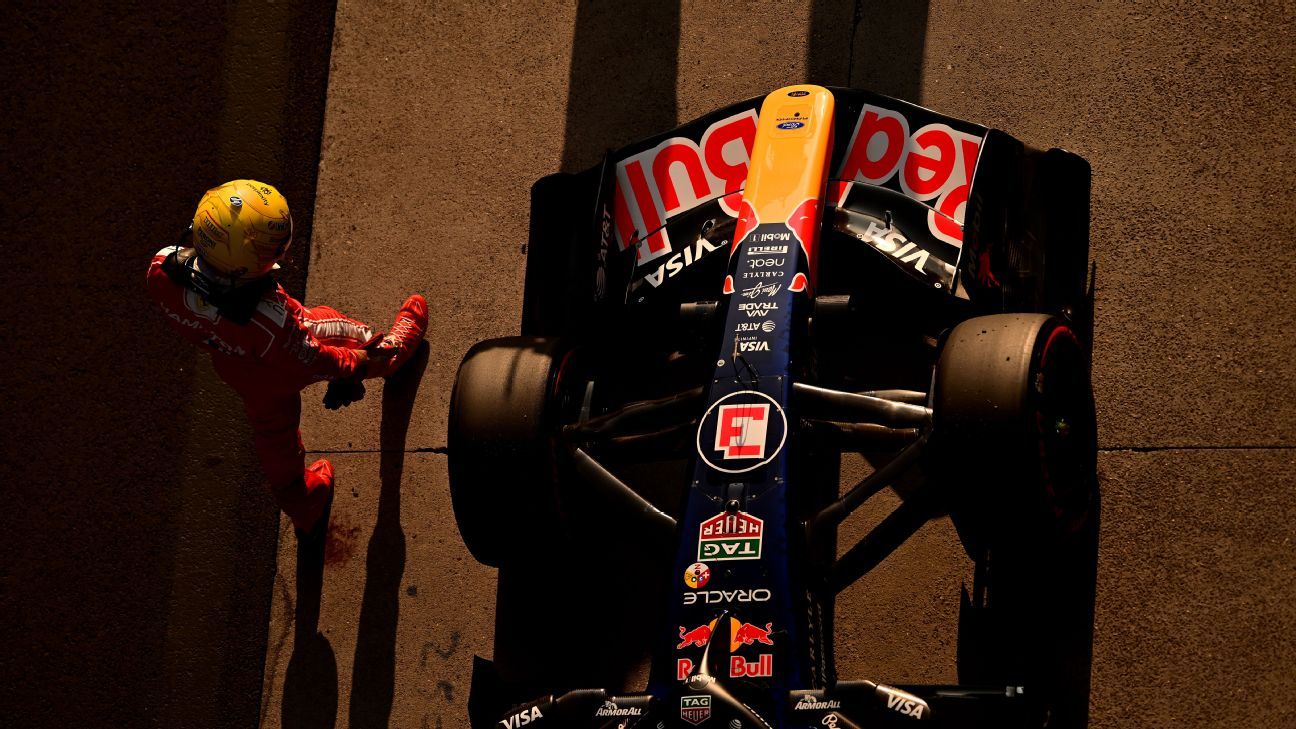
The 2026 Formula 1 season has kicked off with a wave of excitement, but it has also brought with it a storm of controversy. The new regulations, designed to enhance competition and sustainability, have quickly divided opinions among teams, drivers, and fans alike. As the sport navigates this pivotal moment, the upcoming F1 Commission meeting promises to be a critical juncture for addressing the concerns raised in the early races.
In just three races, the impact of these regulations has become evident, revealing both their strengths and weaknesses. With the Miami Grand Prix on the horizon, the urgency for teams and governing bodies to come together and discuss potential adjustments has never been greater. This unexpected break in the racing calendar provides a unique opportunity for stakeholders to reflect and recalibrate before the next round of competition.
Regulatory Challenges and Fan Reactions
The introduction of the new regulations has not been without its challenges. Many fans and insiders have voiced their concerns about the direction Formula 1 is heading. According to ESPN, the mixed reactions stem from the perceived effectiveness of the rules in promoting competitive racing. Some argue that the changes have not yet delivered the excitement and unpredictability that fans crave, while others believe they are a necessary step towards a more sustainable future for the sport.
As the F1 Commission prepares to meet on April 9, the discussions will likely focus on these divergent views. Teams, power unit manufacturers, and the FIA will have their first chance to address the pain points identified in the early races. The outcome of these talks could significantly influence the trajectory of the season and the long-term viability of the new rules.
A Critical Opportunity for Course Correction
The upcoming meeting represents a pivotal moment for Formula 1. With the unexpected break in the racing schedule, stakeholders have a chance to reassess the 2026 ruleset and make necessary adjustments. Motorsport.com highlights that this period allows teams and manufacturers to reflect on the initial races and identify areas for improvement.
This opportunity for course correction is crucial not only for the teams but also for the sport's image. If the regulations can be fine-tuned to better meet the expectations of fans and participants, it could lead to a more engaging and competitive season. The discussions in the coming days will set the tone for how Formula 1 adapts to the challenges posed by the new rules.
What's Next for Formula 1?
As the F1 Commission convenes, all eyes will be on the outcomes of their discussions. The decisions made could reshape the landscape of the 2026 season and beyond. With the Miami Grand Prix approaching, teams will be eager to implement any changes that arise from these talks, aiming to enhance their performance and the overall spectacle of the sport.
Looking ahead, the ability of Formula 1 to adapt and evolve in response to feedback will be crucial. The sport's commitment to innovation and sustainability must be balanced with the need for thrilling competition, ensuring that fans remain engaged and excited about the races to come.
Key Takeaways
- New F1 regulations have sparked mixed reactions among fans and teams.
- The F1 Commission will meet on April 9 to discuss regulatory adjustments.
- Early races have revealed both strengths and weaknesses of the new rules.
- Teams and manufacturers have a chance for course correction before Miami.
- The upcoming discussions could significantly impact the 2026 season.