

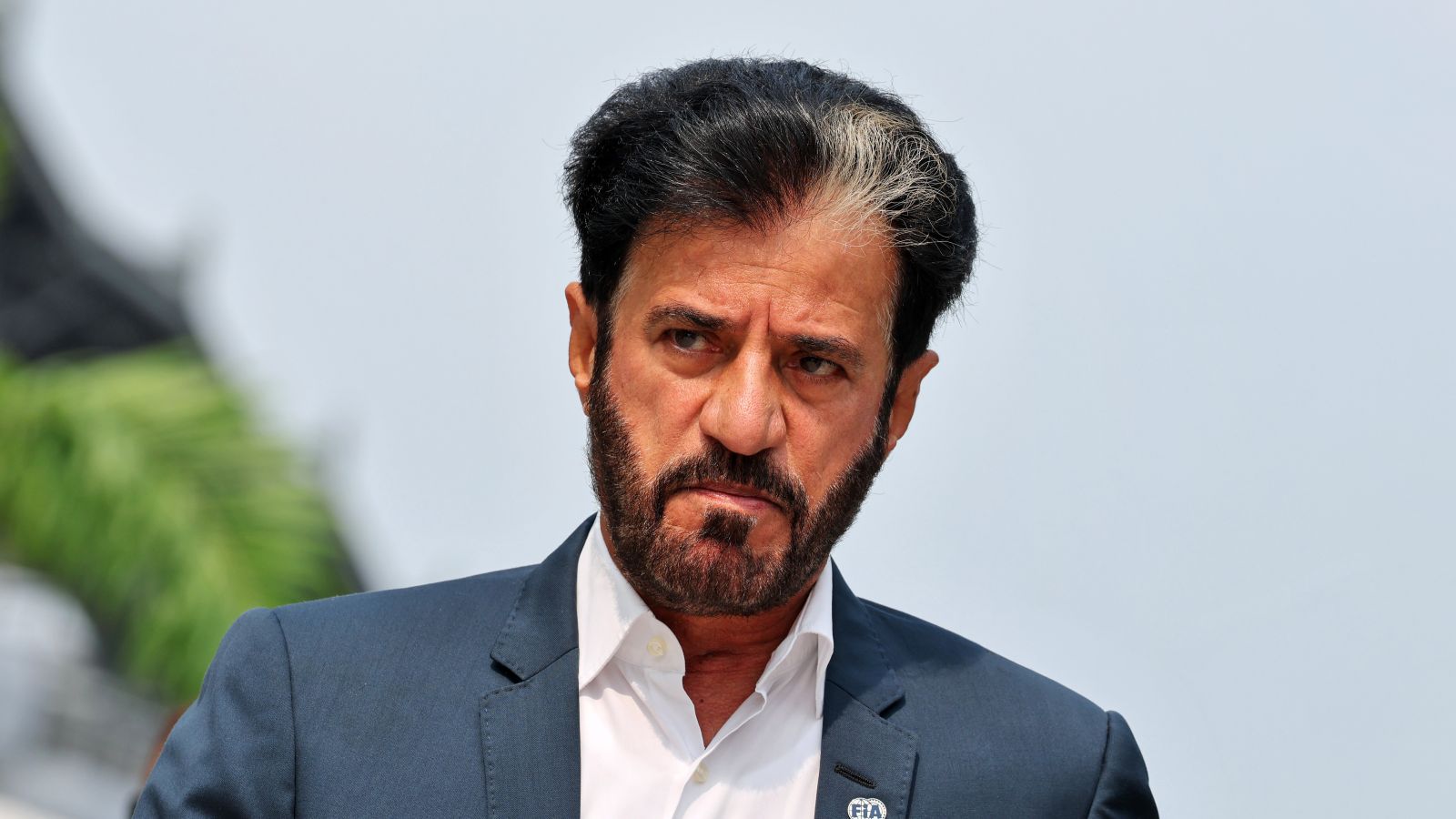
In a surprising turn of events, FIA President Mohammed Ben Sulayem has expressed a desire to accelerate the return of V8 engines to Formula 1, aiming for a revival a year earlier than the previously scheduled 2030 timeline. This move is not just about nostalgia; it reflects a broader ambition to enhance the sport's appeal by reintroducing the thrilling sound and performance characteristics that defined a generation of racing.
The V8 engines, which were last used in F1 in 2013, are remembered fondly by fans and drivers alike for their distinctive roar and competitive edge. As the sport evolves towards more hybrid and electric technologies, the push for V8 engines signifies a potential shift back to more traditional power units, provided that manufacturers support this initiative. The FIA is currently navigating the complexities of this transition, seeking to balance innovation with the cherished elements of F1's heritage.
The Technical Framework for V8 Engines
Ben Sulayem has indicated that the technical framework necessary for the reintroduction of V8 engines will be outlined within a few months. This framework is crucial as it will set the parameters for how these engines can be integrated into the current F1 ecosystem, which has been increasingly focused on sustainability and efficiency.
The FIA's commitment to pushing forward with these plans demonstrates a willingness to adapt while honoring the sport's rich history. The potential return of V8 engines could also reignite interest among fans who yearn for the raw power and sound that these engines provide. However, the success of this initiative hinges on gaining the backing of key manufacturers, who play a pivotal role in the development and implementation of new engine technologies.
Manufacturer Support and Future Implications
For the V8 engine revival to materialize, the FIA will need to secure support from major automotive manufacturers involved in F1. This support is essential not only for the technical development of the engines but also for ensuring that the transition aligns with the manufacturers' long-term strategies, particularly as the industry shifts towards greener technologies.
The discussions surrounding the V8 engines are part of a larger narrative in F1, where the balance between tradition and innovation is constantly being negotiated. If successful, the reintroduction of V8 engines could lead to a more diverse engine lineup in the sport, appealing to a broader audience and potentially increasing viewership. As the FIA moves forward, the outcome of these negotiations will be closely watched by fans and stakeholders alike.
What's Next for Formula 1?
Looking ahead, the next few months will be critical for the FIA as it seeks to finalize the technical framework for the V8 engines. The timeline for this initiative will depend heavily on the response from manufacturers and their willingness to invest in this nostalgic yet ambitious project.
As the world of motorsport continues to evolve, the potential return of V8 engines could serve as a bridge between the past and the future of Formula 1, blending the excitement of traditional racing with the innovations of modern technology.
Key Takeaways
- FIA President Mohammed Ben Sulayem advocates for V8 engines' early return.
- V8 engines last featured in F1 in 2013, known for their iconic sound.
- Technical framework for V8 engines expected in the coming months.
- Manufacturer support is crucial for the success of this initiative.
- The move reflects a balance between tradition and modern sustainability.
Sources
- motorsportweek.com: FIA President Mohammed Ben Sulayem confident 2030 V8 return “ will be agreed” soon
- motorsportweek.com: FIA president issues update on timeframe for mooted F1 V8 agreement
- PlanetF1: FIA president reveals when F1 could take its next big engine step
- Crash.net: FIA boss outlines timeline for F1 V8 framework being agreed