

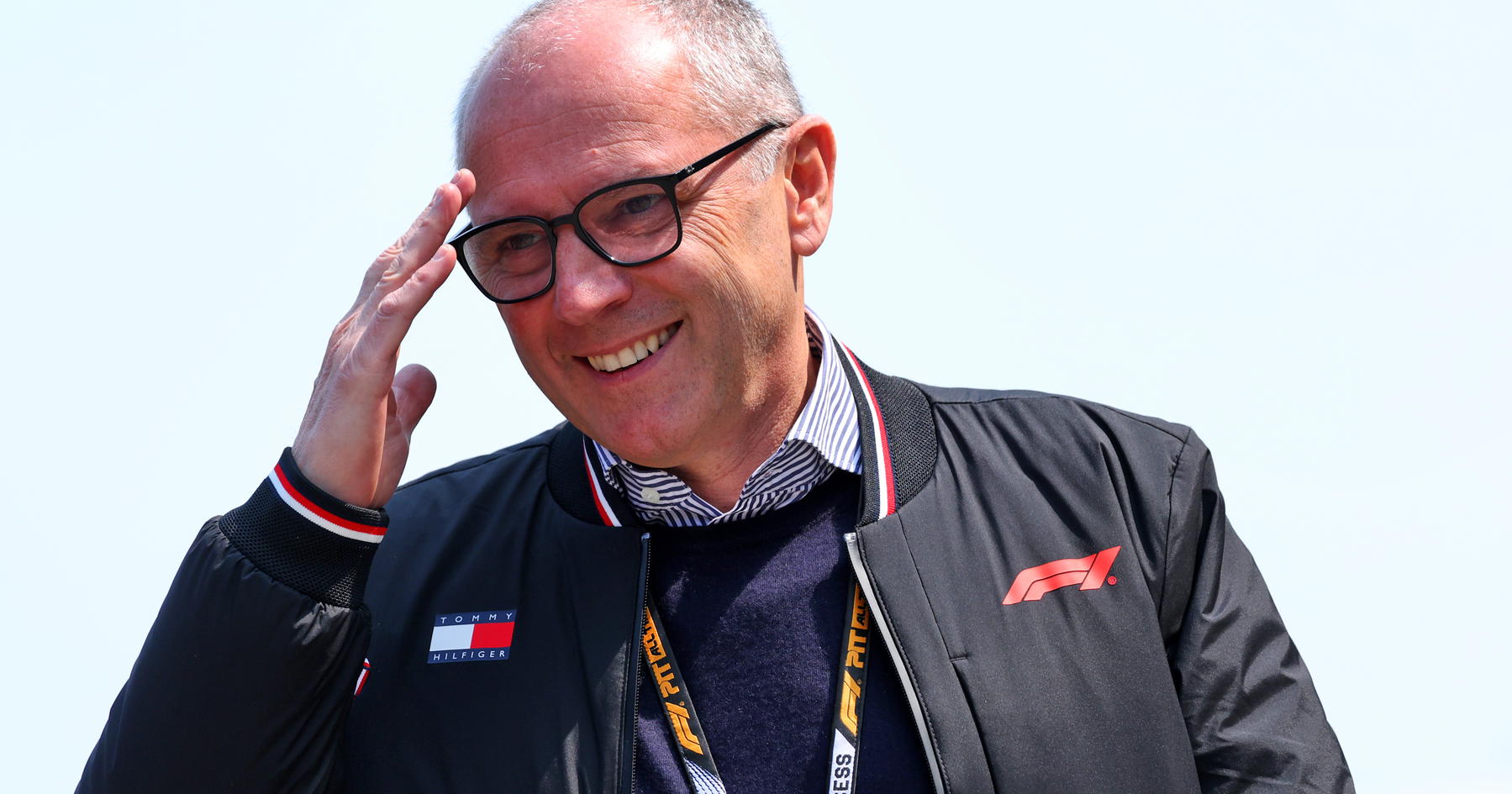
The world of Formula 1 is buzzing with the prospect of a significant shift in its engine regulations. With the sport's CEO, Stefano Domenicali, openly supporting a return to V8 engines, fans and teams alike are eager to see how this change could reshape the competitive landscape. The proposed timeline for this revival is set for 2031, but there are indications that it could happen even sooner, igniting discussions about the future of power units in F1.
This potential return to V8 engines comes at a time when teams are reassessing their strategies and capabilities. Among them, McLaren has made headlines with its statements regarding the conditions under which it would consider developing its own power unit. As the team contemplates becoming a full works outfit, the implications for both McLaren and the wider F1 community are profound.
Domenicali's Vision for V8 Engines
Stefano Domenicali's endorsement of V8 engines marks a pivotal moment for Formula 1. His support reflects a desire to return to the sport's roots, where V8 engines were synonymous with power and performance. According to RacingNews365, Domenicali believes that this shift could enhance the excitement of racing, drawing in fans who yearn for the raw sound and feel of traditional engines.
The proposed timeline for this transition to V8 engines is set for 2031, but the possibility of an earlier implementation has sparked speculation among teams and fans. The FIA's involvement in this decision-making process is crucial, as they will need to ensure that any changes align with the sport's sustainability goals while still delivering thrilling racing experiences.
McLaren's Power Unit Aspirations
In the midst of these discussions, McLaren has positioned itself as a potential player in the power unit manufacturing arena. The team has publicly stated the conditions under which it would consider building its own engine to compete in Formula 1. As reported by Crash.net, McLaren CEO Zak Brown has indicated that the team is open to the idea of developing its own power unit, which would mark a significant shift in their operational strategy.
This ambition to become a full works outfit reflects McLaren's long-term vision for success in F1. By developing its own power unit, McLaren could gain greater control over its performance and strategy, potentially leading to a more competitive edge on the track. The implications of this move could be far-reaching, not only for McLaren but also for the dynamics of the entire grid as teams adapt to new power unit regulations.
What's Next for F1 and McLaren?
As Formula 1 gears up for a potential return to V8 engines, the landscape of the sport is poised for transformation. Teams will need to adapt to new regulations and the competitive environment that comes with them. For McLaren, the decision to pursue its own power unit development could redefine its identity within the sport, positioning it as a formidable contender in the years to come.
Looking ahead, the next few seasons will be critical as teams prepare for the 2031 engine regulations. The excitement surrounding the return of V8 engines, coupled with McLaren's ambitions, suggests that the future of Formula 1 will be marked by innovation and fierce competition.
Key Takeaways
- Stefano Domenicali supports the return of V8 engines in F1.
- F1 aims for a potential V8 engine revival by 2031.
- McLaren is considering developing its own power unit.
- Zak Brown emphasizes McLaren's ambition to become a full works team.
- The shift to V8 engines could enhance the excitement of racing.
- Teams will need to adapt to new power unit regulations.
- The future of F1 is set to be marked by innovation and competition.