

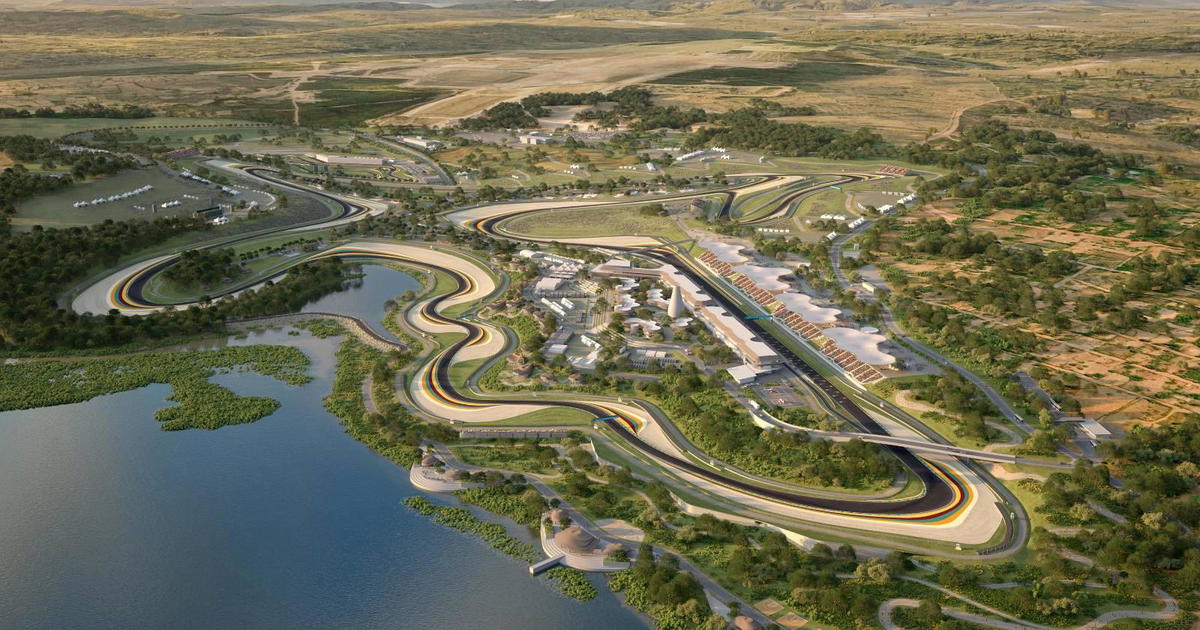
Formula 1 is set to make a thrilling return to Africa with the announcement of the African Grand Prix, scheduled to take place in Rwanda. This marks a significant milestone for the sport, which has not held a race on the continent since the South African Grand Prix in 1993. The new purpose-built racetrack aims to not only bring high-speed racing back to Africa but also to foster a deeper connection with the continent's motorsport enthusiasts.
The decision to host the African Grand Prix in Rwanda reflects F1's commitment to expanding its global footprint and tapping into new markets. The early 2030s have been earmarked for this exciting event, which promises to showcase the beauty of Rwanda while providing a platform for local talent and tourism. As F1 continues to evolve, this move is seen as a pivotal step in diversifying its audience and enhancing its cultural relevance.
The Vision for the African Grand Prix
The African Grand Prix is envisioned as a state-of-the-art racing event that will not only attract F1 fans from around the world but also promote Rwanda as a premier destination for international sporting events. The purpose-built racetrack is expected to feature cutting-edge facilities and infrastructure, ensuring that it meets the high standards set by F1.
According to reports, the circuit will be designed to provide thrilling racing action while also being environmentally sustainable. This aligns with F1's broader goals of reducing its carbon footprint and promoting sustainability within the sport. The inclusion of Rwanda, known for its stunning landscapes and commitment to conservation, adds an exciting dimension to the event, making it a unique experience for both drivers and fans alike.
Christian Horner's Speculations on New Teams
In addition to the exciting developments in Rwanda, speculation is swirling around Christian Horner's potential return to Formula 1. The Red Bull Racing team principal has hinted that if he were to make a comeback, it could be with a brand new team. This revelation has sparked discussions about the possibility of expanding the current grid, which could see a 12th entry in the near future.
Horner's comments come at a time when F1 is experiencing unprecedented growth, both in terms of viewership and team participation. The prospect of new teams entering the sport could further enhance the competitive landscape, providing fresh narratives and rivalries. As F1 continues to evolve, the addition of new teams could be a game-changer, especially with the backdrop of the African Grand Prix and its potential to attract new fans.
What's Next for Formula 1?
Looking ahead, the return of F1 to Africa is poised to be a transformative moment for the sport. The African Grand Prix in Rwanda is not just about racing; it's about building a legacy and fostering a deeper connection with fans on the continent. As preparations for the event ramp up, F1 will likely focus on engaging local communities and promoting motorsport at grassroots levels.
Additionally, the speculation surrounding new teams and potential changes in the grid could lead to an exciting new chapter for F1. With the sport's growing popularity and the introduction of innovative events like the African Grand Prix, the future looks bright for Formula 1 as it continues to expand its horizons.
Key Takeaways
- F1 returns to Africa with the African Grand Prix in Rwanda.
- The event is scheduled for the early 2030s at a new purpose-built racetrack.
- Rwanda aims to showcase its beauty and promote tourism through the Grand Prix.
- Christian Horner hints at a possible return to F1 with a new team.
- The expansion of the grid could enhance competition and fan engagement.