


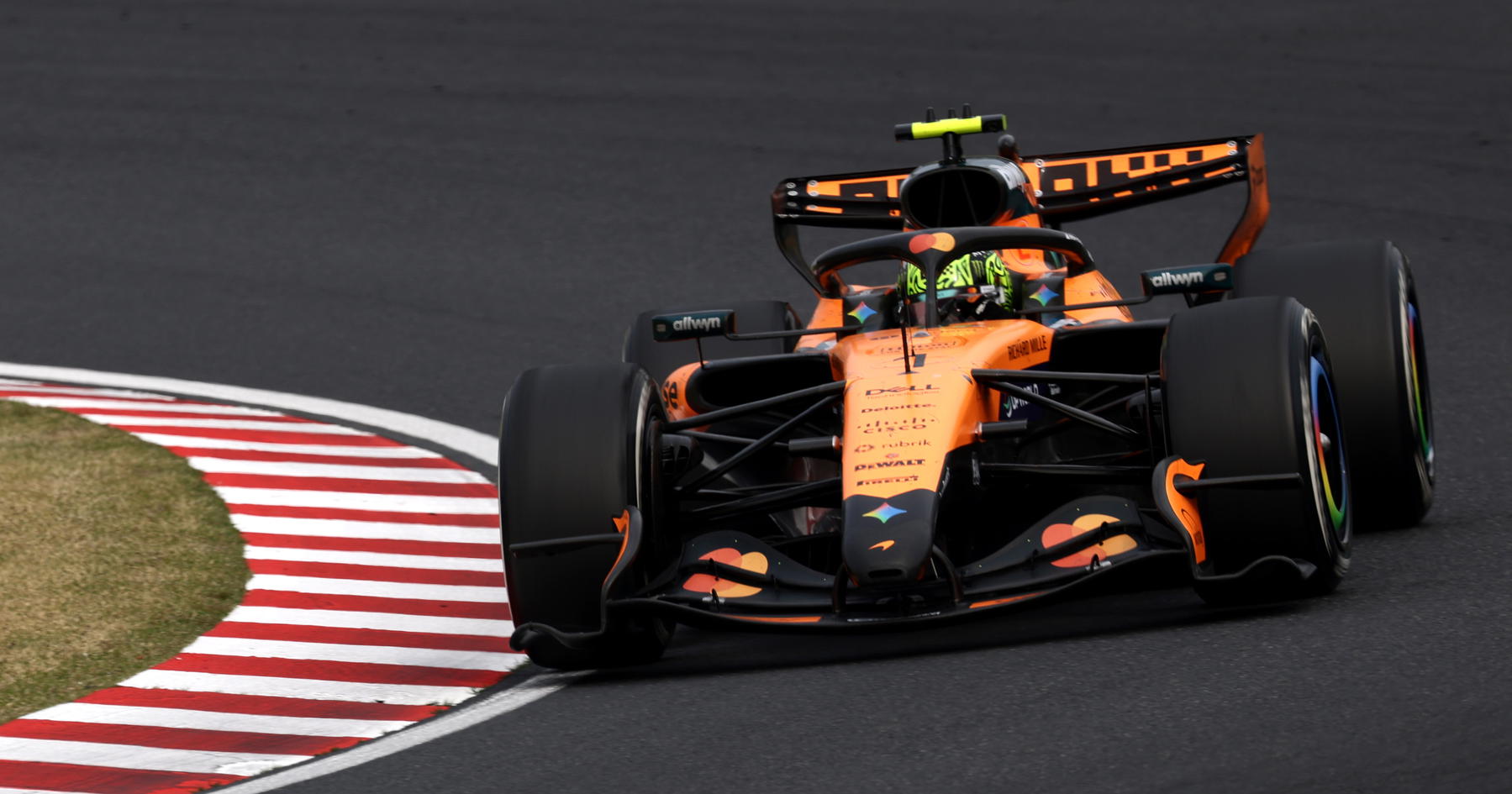
The Japanese Grand Prix at Suzuka proved to be a challenging race for Lando Norris, who found himself grappling with the limitations of his McLaren's power unit. As he navigated the twists and turns of the iconic circuit, Norris expressed frustration over feeling 'at the mercy' of his car's performance. This sentiment highlights the ongoing struggles faced by drivers in the current Formula 1 landscape, where power units play a crucial role in race outcomes.
Norris's experience during the race not only showcased the technical challenges of modern F1 but also brought to light the psychological aspects of racing, particularly when it comes to overtaking. His reluctance to engage in a battle with fellow Brit Lewis Hamilton further emphasizes the complexities drivers face on the track, especially under the constraints of new regulations.
Power Unit Limitations
During the race, Lando Norris articulated his frustrations regarding the performance of his McLaren's power unit. He noted that there were moments when he felt completely dependent on the car's capabilities, stating he was 'at the mercy' of the power unit. This admission underscores a significant concern within the sport, as drivers increasingly find themselves limited by the technology that is supposed to enhance their performance.
According to ESPN, Norris's comments reflect a broader issue within Formula 1, where the balance between driver skill and mechanical reliability is constantly being tested. As teams push the boundaries of engineering, the reliability of power units becomes paramount, and drivers like Norris are left to navigate these challenges while competing against their peers.
Overtaking Hesitations
Norris's race was further complicated by his hesitance to overtake Lewis Hamilton, a situation he described as a 'tit-for-tat' style of racing. This reluctance to engage in direct competition with a fellow driver highlights the psychological pressures that come into play during high-stakes moments on the track. As reported by Motorsport Week, Norris felt hesitant about even attempting to pass Hamilton, which raises questions about the impact of the new F1 regulations on driver behavior and racing dynamics.
The criticism Norris aimed at these regulations, particularly regarding their influence on overtaking opportunities, suggests that the current rules may be stifling competitive racing. RacingNews365 noted that Norris's experience reflects a broader sentiment among drivers who feel that the regulations may not be conducive to the kind of racing fans want to see. This ongoing debate about the effectiveness of F1's regulatory framework is likely to continue as the season progresses.
What's Next
Looking ahead, Lando Norris and the McLaren team will need to address the challenges posed by their power unit as they prepare for upcoming races. The feedback from Norris regarding the limitations of the current technology could prompt discussions within the team about potential upgrades or adjustments to enhance performance.
As the season unfolds, the interplay between driver skill, car performance, and regulatory frameworks will remain a focal point in Formula 1. Fans and analysts alike will be watching closely to see how Norris and his competitors adapt to these challenges in their quest for success on the track.
Key Takeaways
- Norris felt 'at the mercy' of his McLaren's power unit during the race.
- He expressed reluctance to overtake Lewis Hamilton, citing psychological pressures.
- Norris criticized the new F1 regulations for limiting overtaking opportunities.
- The performance of power units is a growing concern in modern F1 racing.
- Norris's experience reflects broader issues within the sport regarding driver and car dynamics.