

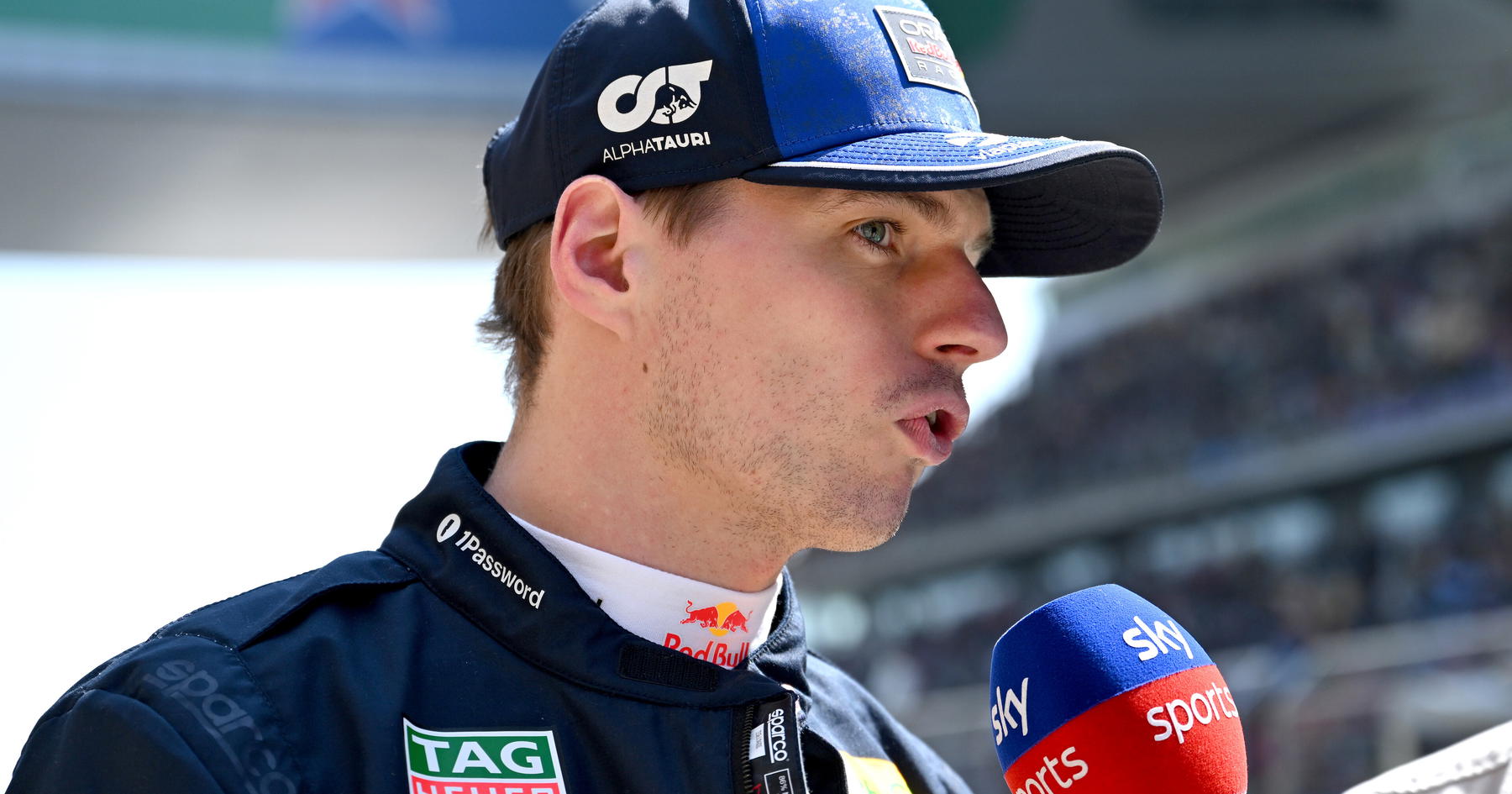
The world of Formula 1 is buzzing with speculation surrounding Max Verstappen's future in the sport. With the season progressing and discussions about his potential exit at the end of the year, former champion Damon Hill has raised concerns about the ramifications of such a decision. Hill believes that Verstappen's departure could lead to 'enormous problems' for F1, highlighting the Dutch driver's significant impact on the sport.
As the reigning champion, Verstappen's presence not only elevates the competition but also attracts fans and sponsors alike. His potential exit raises questions about the future landscape of F1, especially as the sport navigates through a critical period of change, including upcoming regulatory shifts and the need for fresh talent to step up. The stakes are high, and the implications of Verstappen's choices could resonate far beyond the racetrack.
Regulatory Changes and Stakeholder Concerns
Amidst the uncertainty surrounding Verstappen, the FIA is also facing its own challenges as it prepares for significant rule changes set for 2026. Nikolas Tombazis, the FIA's single-seater director, has indicated that initial discussions with stakeholders have pushed them beyond their 'comfort zone.' This suggests a period of adjustment and potential conflict as teams and drivers adapt to new regulations that could reshape the competitive landscape.
The 2026 rule changes are expected to address various aspects of the sport, including sustainability and performance. However, the apprehension expressed by stakeholders indicates that the transition may not be smooth. As F1 looks to the future, balancing the interests of established teams with the need for innovation will be crucial. The outcome of these discussions could significantly influence the sport's direction and its appeal to fans.
Comparing the New Generation of Drivers
In the midst of these overarching concerns, the behavior and performance of younger drivers like George Russell and Lando Norris are coming under scrutiny. Former F1 driver Jolyon Palmer has noted a stark contrast between Russell's current demeanor and that of Norris at the start of the previous season. This observation highlights the evolving nature of driver mentality and the pressures they face in a highly competitive environment.
Russell's approach appears more composed and strategic compared to Norris, who struggled initially last season. As both drivers continue to develop their skills and navigate the complexities of F1, their contrasting styles may offer insights into how the next generation of racers will handle the pressures of the sport. This evolution is essential for F1's future, especially as it seeks to attract new fans and maintain its status as a premier racing series.
What's Next for F1?
Looking ahead, the future of Formula 1 hangs in a delicate balance. Max Verstappen's potential departure could create a vacuum that the sport may struggle to fill, especially if it coincides with significant regulatory changes. The FIA's efforts to push stakeholders out of their comfort zones may lead to innovative solutions, but it also risks alienating some of the sport's key players.
As the new generation of drivers like Russell and Norris continue to emerge, their performances will be pivotal in shaping F1's narrative. The coming months will be critical as teams prepare for the 2026 regulations and as fans await news on Verstappen's future. The decisions made now will undoubtedly influence the trajectory of F1 for years to come.
Key Takeaways
- Damon Hill warns of 'enormous problems' if Verstappen leaves F1.
- FIA's Tombazis indicates stakeholders are facing discomfort over 2026 rule changes.
- Jolyon Palmer highlights differences between George Russell and Lando Norris's approaches.
- Upcoming regulatory changes may reshape the competitive landscape of F1.
- The future of F1 is uncertain as it navigates potential departures and new regulations.