

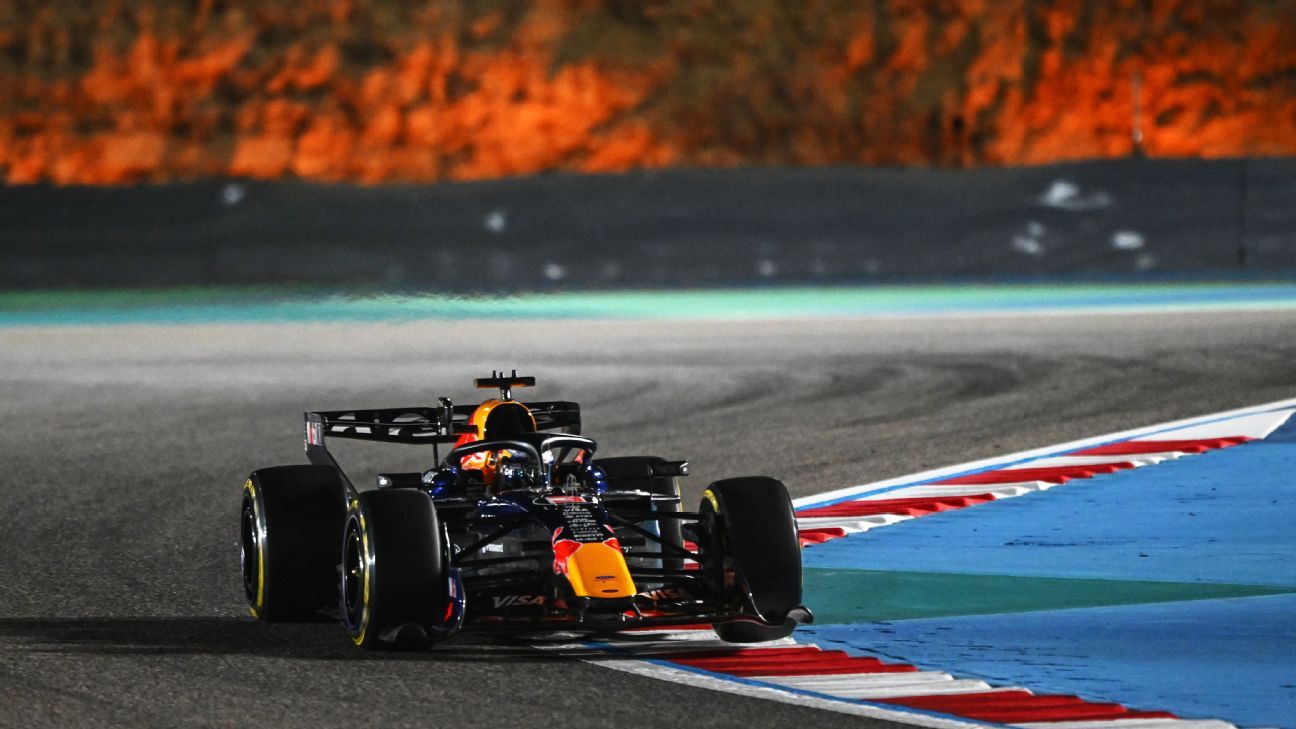
The 2026 Formula 1 season is poised to usher in significant changes, particularly with the introduction of new power unit regulations. As teams scramble to adapt to these rules, Red Bull Racing has quickly established itself as the frontrunner in power unit performance. This early dominance has not only caught the attention of competitors but has also sparked discussions about the implications for the upcoming season.
With the spotlight on Red Bull, team principal Toto Wolff of Mercedes has openly acknowledged their prowess, labeling their new engine as the 'benchmark' in the field. This sentiment is echoed by drivers like Carlos Sainz, who have recognized Red Bull's advancements, setting a high bar for others to meet as they prepare for the challenges ahead.
Red Bull's Engine: A New Benchmark
Red Bull Powertrains has made a significant impact with its first Formula 1 engine, which has been described as the 'clear' benchmark by both Wolff and Sainz. The new power unit's performance has raised eyebrows across the paddock, with many teams now facing the daunting task of catching up. Wolff's comments reflect a broader concern within the Mercedes camp, as they grapple with their own interpretation of the new regulations and how it affects their competitiveness.
The implications of Red Bull's early success extend beyond just performance metrics; it sets a psychological tone for the competition. As teams analyze Red Bull's engineering and design choices, they are forced to rethink their strategies and innovations. This competitive pressure could lead to a more dynamic and unpredictable season as teams strive to close the gap.
The Competitive Landscape
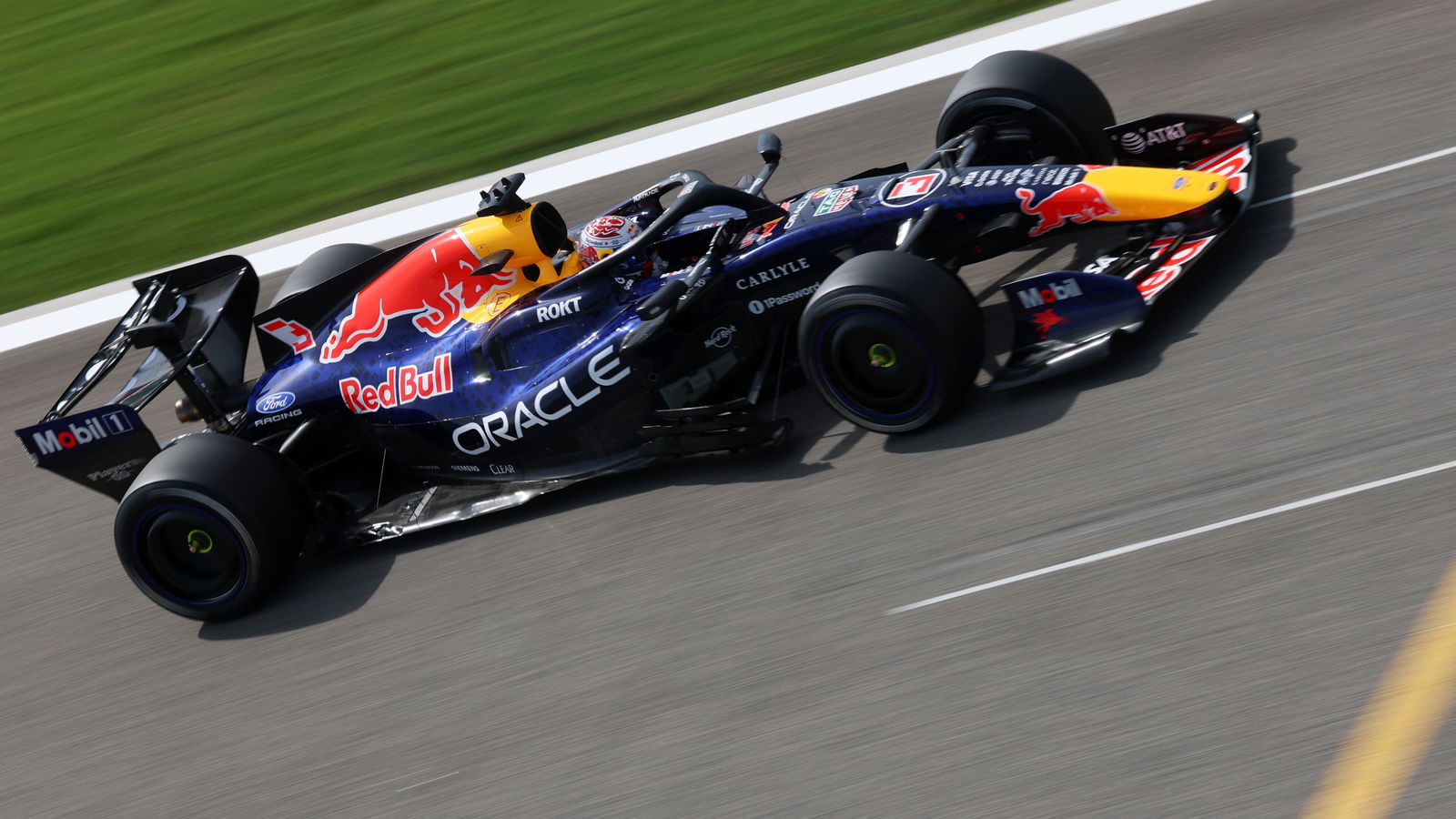
As Red Bull establishes itself as the leader in power unit performance, the competitive landscape of Formula 1 is shifting. Teams like Mercedes and Ferrari are now under pressure to innovate rapidly, not only to keep pace with Red Bull but also to maintain their positions as top contenders. The stakes are high, and the race to develop a competitive engine is more critical than ever.
Carlos Sainz's backing of Wolff's assessment underscores a growing consensus among drivers and teams about Red Bull's capabilities. This acknowledgment from rivals could lead to a more intense rivalry as the season progresses, with teams pushing the limits of technology and engineering to reclaim their status. The 2026 season promises to be a thrilling chapter in F1 history, with Red Bull's performance setting the tone for what lies ahead.
What's Next for F1 Teams?
Looking ahead, the challenge for teams will be to not only match Red Bull's performance but to also innovate in ways that could redefine the sport. The new regulations offer a unique opportunity for teams to explore different engineering solutions, and the race to develop the next generation of power units is on.
As the 2026 season approaches, fans and teams alike are eager to see how this competition unfolds. Will Red Bull maintain its lead, or will rivals rise to the occasion? The answers will shape the narrative of the upcoming season and potentially redefine the landscape of Formula 1 for years to come.
Key Takeaways
- Red Bull Racing's new power unit is seen as the benchmark for 2026.
- Toto Wolff acknowledges Red Bull's engine performance amid Mercedes' struggles.
- Carlos Sainz supports the view that Red Bull has set a high bar.
- The competitive pressure is mounting on teams like Mercedes and Ferrari.
- Innovations in engine technology are expected as teams adapt to new regulations.