

The 2026 Formula 1 British Grand Prix concluded in a manner that left fans and teams alike feeling frustrated. As drivers crossed the finish line under safety car conditions, the Silverstone crowd erupted in boos, signaling their discontent with the anticlimactic end to a highly anticipated race. This situation has reignited discussions about the protocols in place for race finishes, particularly in light of recent events.
With the race ending under a safety car, questions have arisen regarding the decisions made by the FIA and the implications for future races. Prominent figures in the sport, including Martin Brundle and Otmar Szafnauer, have voiced their opinions on how to prevent such a scenario from happening again. Their insights may pave the way for necessary changes in Formula 1's approach to race management and safety protocols.
Brundle's Recommendations for F1
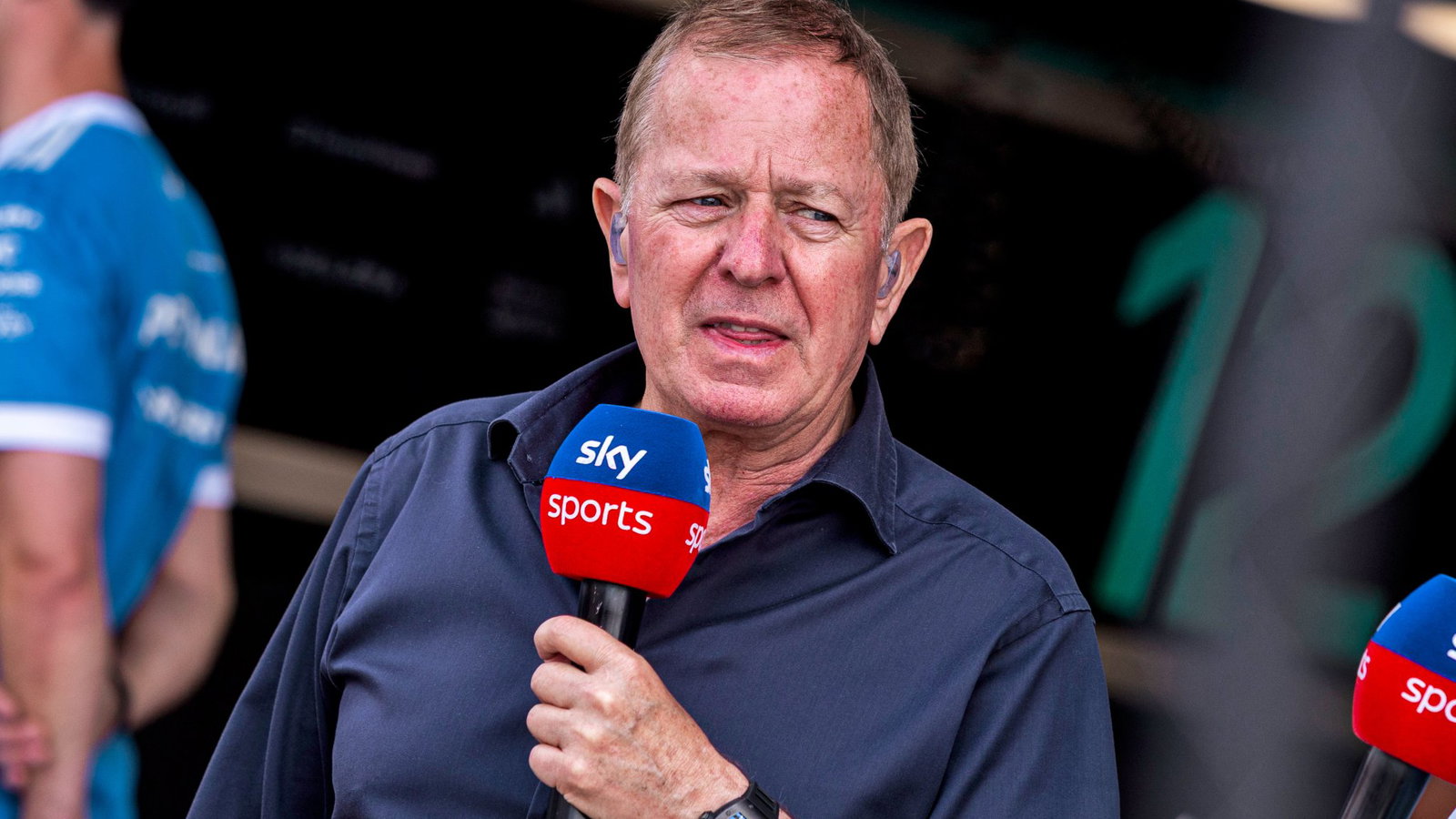
Martin Brundle, a respected figure in the F1 community, has suggested several measures that could help avoid a repeat of the disappointing finish witnessed at Silverstone. He emphasizes the need for a more proactive approach from the FIA in managing race conditions, particularly during critical moments when incidents occur.
Brundle's recommendations include clearer communication protocols and a more decisive use of red flags when necessary. By implementing these changes, he believes that the integrity of the race can be preserved, ensuring that fans receive the thrilling conclusion they expect from Formula 1 events. His suggestions reflect a growing sentiment among fans and teams that the current system may need reevaluation to enhance the overall racing experience.
Szafnauer's Critique of FIA Decisions
Otmar Szafnauer, the former Alpine team principal, has also weighed in on the situation, arguing that the FIA should have red-flagged the British Grand Prix following Max Verstappen's late retirement. Szafnauer's perspective highlights a critical moment in the race that could have warranted a different response from race officials.
According to Szafnauer, the decision not to red-flag the race contributed to the anticlimactic finish, as it denied drivers the opportunity to race for position in a more competitive environment. His critique underscores the importance of timely and effective decision-making in F1, particularly when the stakes are high. As the sport evolves, the need for a robust framework that prioritizes both safety and excitement becomes increasingly apparent.
What's Next for F1?
Looking ahead, the discussions sparked by the British Grand Prix are likely to influence how Formula 1 approaches race management in the future. With calls for improved safety protocols and clearer guidelines for race finishes, the FIA may find itself under pressure to adapt its regulations.
As the sport continues to grow in popularity, ensuring that races conclude in a manner that satisfies both competitors and fans will be paramount. The insights from Brundle and Szafnauer could serve as a foundation for upcoming changes, potentially leading to a more thrilling and fair racing environment.
Key Takeaways
- The British GP ended under safety car conditions, disappointing fans.
- Martin Brundle suggests proactive measures for F1 to enhance race integrity.
- Otmar Szafnauer believes the FIA should have red-flagged the race after Verstappen's retirement.
- Calls for clearer communication and decision-making protocols in F1.
- The outcome of the race has reignited discussions on safety protocols.
- Future races may see changes based on insights from key figures in F1.