

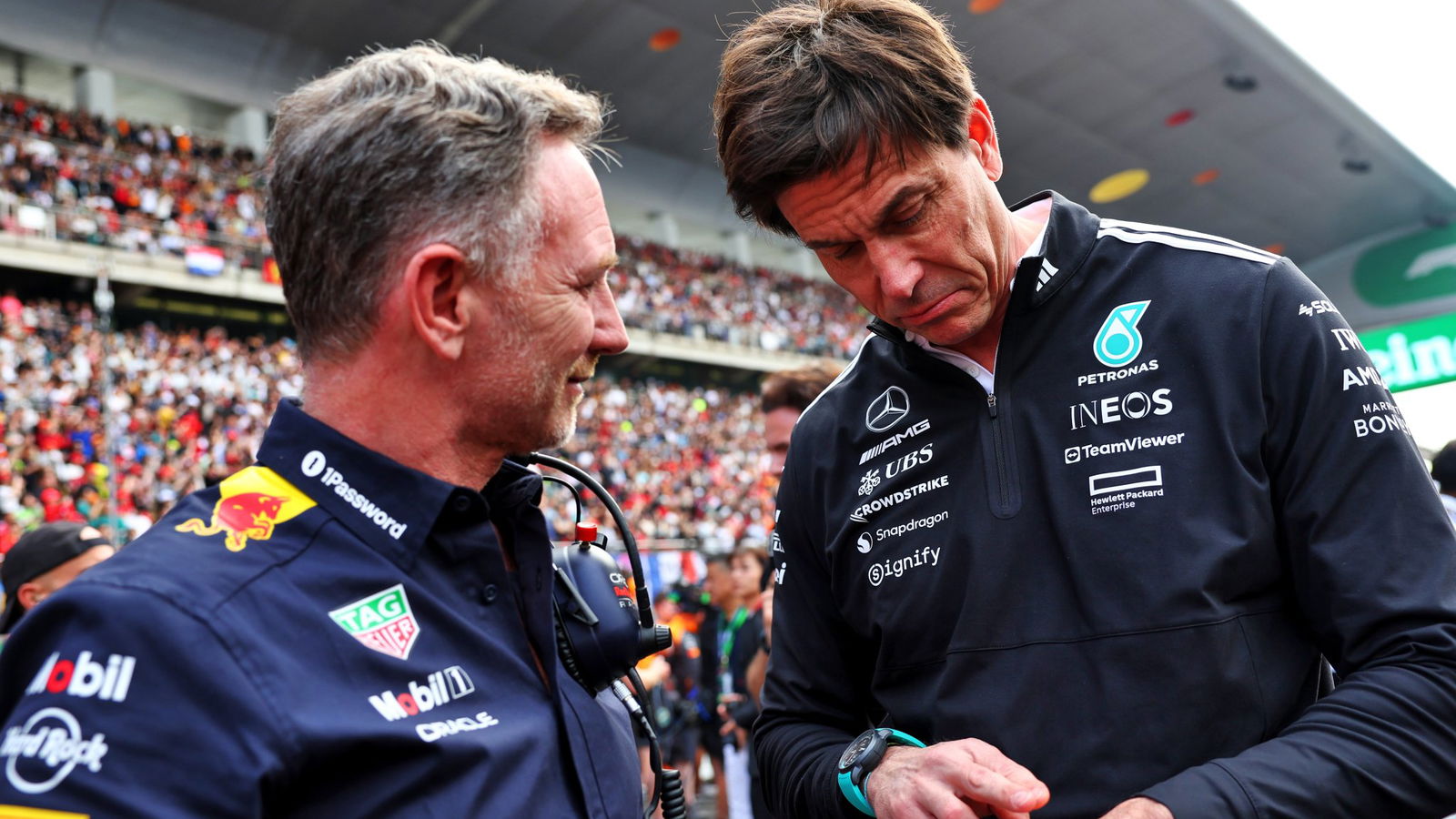
Christian Horner's departure from Red Bull Racing marked the end of an era in Formula 1. After leading the team for nearly two decades, his exit following the 2022 British Grand Prix shocked fans and insiders alike. Under his leadership, Red Bull secured eight drivers' championships and six constructors' titles, establishing itself as a dominant force in the sport.
Horner's removal was not just a change in personnel; it signified a shift in the team's dynamics and strategy. The circumstances surrounding his dismissal have raised eyebrows, particularly his claims regarding the influence of Helmut Marko, a key figure in Red Bull's hierarchy. As the dust settles, the implications of this leadership change are beginning to unfold.
Horner's Tenure and Sudden Dismissal
Christian Horner's tenure at Red Bull was characterized by remarkable success and strategic innovation. His ability to nurture talent and foster a competitive spirit within the team was pivotal in Red Bull's ascent to the top of Formula 1. However, the announcement of his removal after the British Grand Prix left many questioning the reasons behind such a drastic decision.
In a candid reflection, Horner expressed his feelings of 'loss and hurt' following his exit, indicating that the decision was not taken lightly. The abrupt nature of his dismissal, coming after years of dedication and achievement, has led to speculation about internal conflicts and the future direction of the team. According to reports, Horner's removal was not merely a result of performance but also involved complex interpersonal dynamics within the Red Bull organization.
Blame and Accountability
In the aftermath of his dismissal, Christian Horner has pointed fingers at Helmut Marko, suggesting that the influential advisor played a significant role in his exit from Red Bull. This revelation adds a layer of intrigue to the narrative, as Marko has been a longstanding figure in the team's operations and decision-making processes.
The latest series of Formula 1's 'Drive to Survive' has brought these tensions to light, showcasing the behind-the-scenes drama that often accompanies high-stakes motorsport. Horner's public acknowledgment of Marko's influence raises questions about the power dynamics within Red Bull and how they may affect the team's future. As fans and analysts dissect these developments, it becomes clear that the fallout from Horner's departure will resonate throughout the sport.
What's Next for Red Bull?
As Red Bull Racing navigates this new chapter without Christian Horner, the focus shifts to how the team will adapt and evolve. The leadership vacuum presents both challenges and opportunities, as new strategies and personnel may reshape the team's approach to competition.
Looking ahead, Red Bull must address the internal dynamics that contributed to Horner's exit while also maintaining its competitive edge in Formula 1. The upcoming seasons will be crucial in determining whether the team can sustain its success and continue to challenge for championships.
Key Takeaways
- Christian Horner led Red Bull Racing for nearly 20 years.
- His dismissal followed the 2022 British Grand Prix.
- Horner expressed feelings of loss and hurt after his exit.
- He blames Helmut Marko for his removal from the team.
- Red Bull must navigate internal dynamics post-Horner.
- The team's future strategies will be critical for success.