

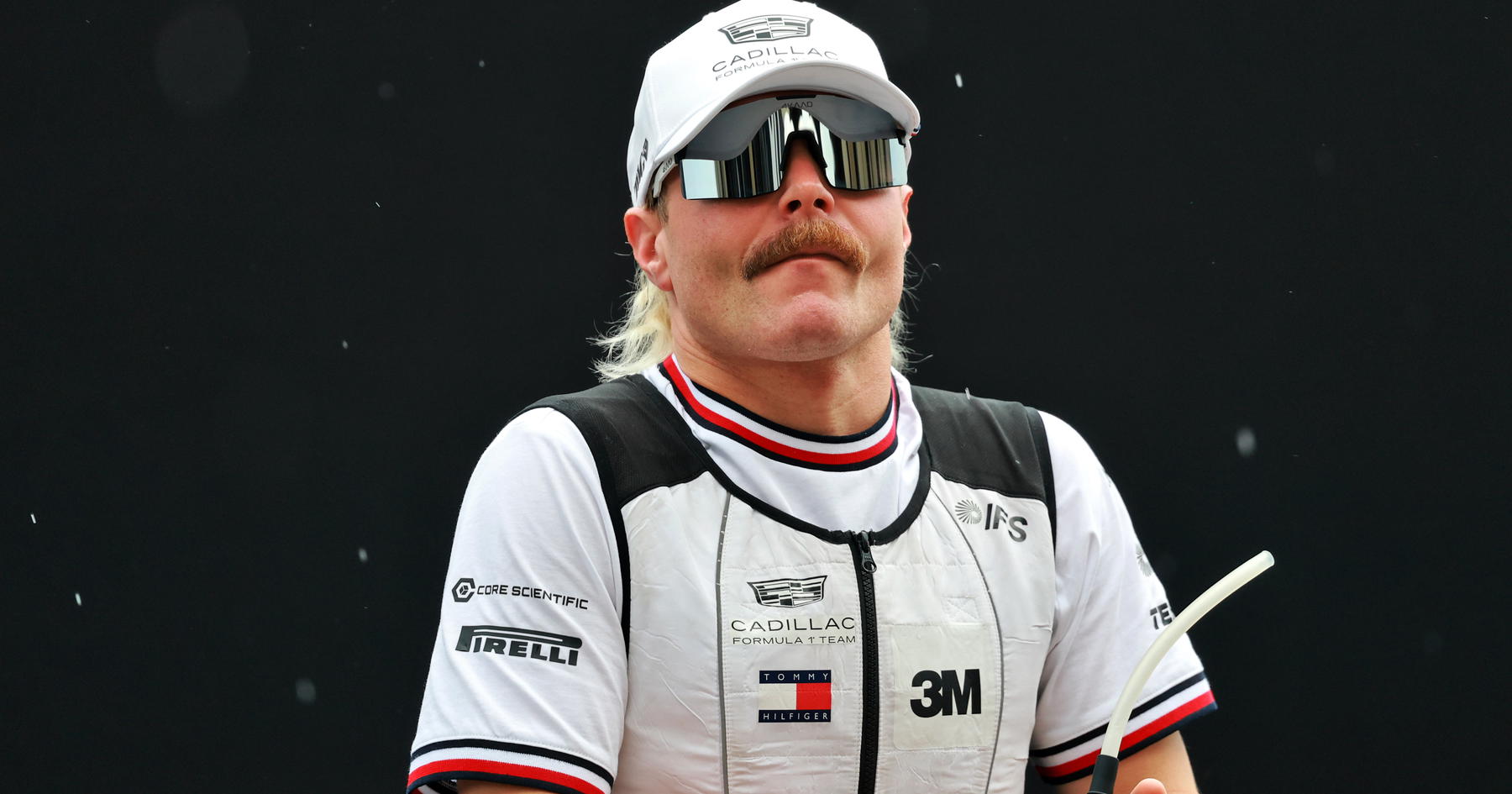
In the fast-paced world of Formula 1, where speed and efficiency are paramount, Valtteri Bottas has chosen an unconventional method to travel between races. The Cadillac F1 driver has embarked on a remarkable journey, opting to cycle 350 kilometers from Sepang, Malaysia, to Singapore, rather than taking a flight. This decision not only showcases his commitment to fitness but also highlights a unique approach to the demanding F1 schedule.
Bottas's journey began shortly after he finished last at the Bahrain Grand Prix, and he shared the start of his ride on Instagram, capturing the attention of fans and fellow drivers alike. This multi-day endurance ride is a testament to his adventurous spirit and determination, setting him apart in a sport often dominated by traditional travel methods.
A New Kind of Endurance Challenge
Cycling from Sepang to Singapore is no small feat, especially given the tropical climate and the physical demands of such a long-distance ride. Bottas's decision to trade air travel for a bicycle reflects a growing trend among athletes who seek to challenge themselves beyond their usual routines. This journey not only tests his physical limits but also serves as a mental challenge, allowing him to clear his mind and prepare for the upcoming race.
As Bottas pedals through the scenic landscapes of Southeast Asia, he embraces the opportunity to connect with the environment in a way that flying simply cannot offer. The ride is not just about reaching the Marina Bay Street Circuit; it's about the experience, the journey, and the stories that come with it. His choice resonates with fans who appreciate the human side of racing, reminding them that even elite athletes seek adventure and personal growth.
The Impact on His Racing Career
While Bottas's cycling adventure may seem like a personal endeavor, it raises questions about how such choices impact his performance on the track. The physical conditioning gained from cycling could enhance his endurance during races, potentially giving him an edge in the demanding environment of Formula 1. However, the time spent cycling also means less time for traditional preparations, such as simulator work or team meetings.
Moreover, Bottas's decision could inspire other drivers to consider alternative methods of travel and training, fostering a culture of innovation within the sport. As F1 continues to evolve, embracing sustainability and unique approaches to fitness, Bottas's journey may pave the way for future drivers to explore unconventional paths, both on and off the track.
What's Next for Bottas?
As Bottas approaches the Marina Bay Street Circuit, fans and analysts alike will be watching closely to see how this unique journey affects his performance in the Singapore Grand Prix. Will the physical and mental benefits of his cycling adventure translate into a stronger showing on race day?
Regardless of the outcome, Bottas's choice to cycle to Singapore has already made waves in the F1 community, showcasing his individuality and commitment to pushing boundaries. As the season progresses, it will be interesting to see how this experience influences his approach to racing and whether it inspires others in the sport.
Key Takeaways
- Valtteri Bottas cycles 350km from Sepang to Singapore instead of flying.
- The journey began after finishing last at the Bahrain Grand Prix.
- Bottas shares his adventure on social media, engaging fans.
- Cycling offers physical and mental challenges for the driver.
- His choice may inspire other F1 drivers to explore unique training methods.
- The impact on his performance in Singapore remains to be seen.