

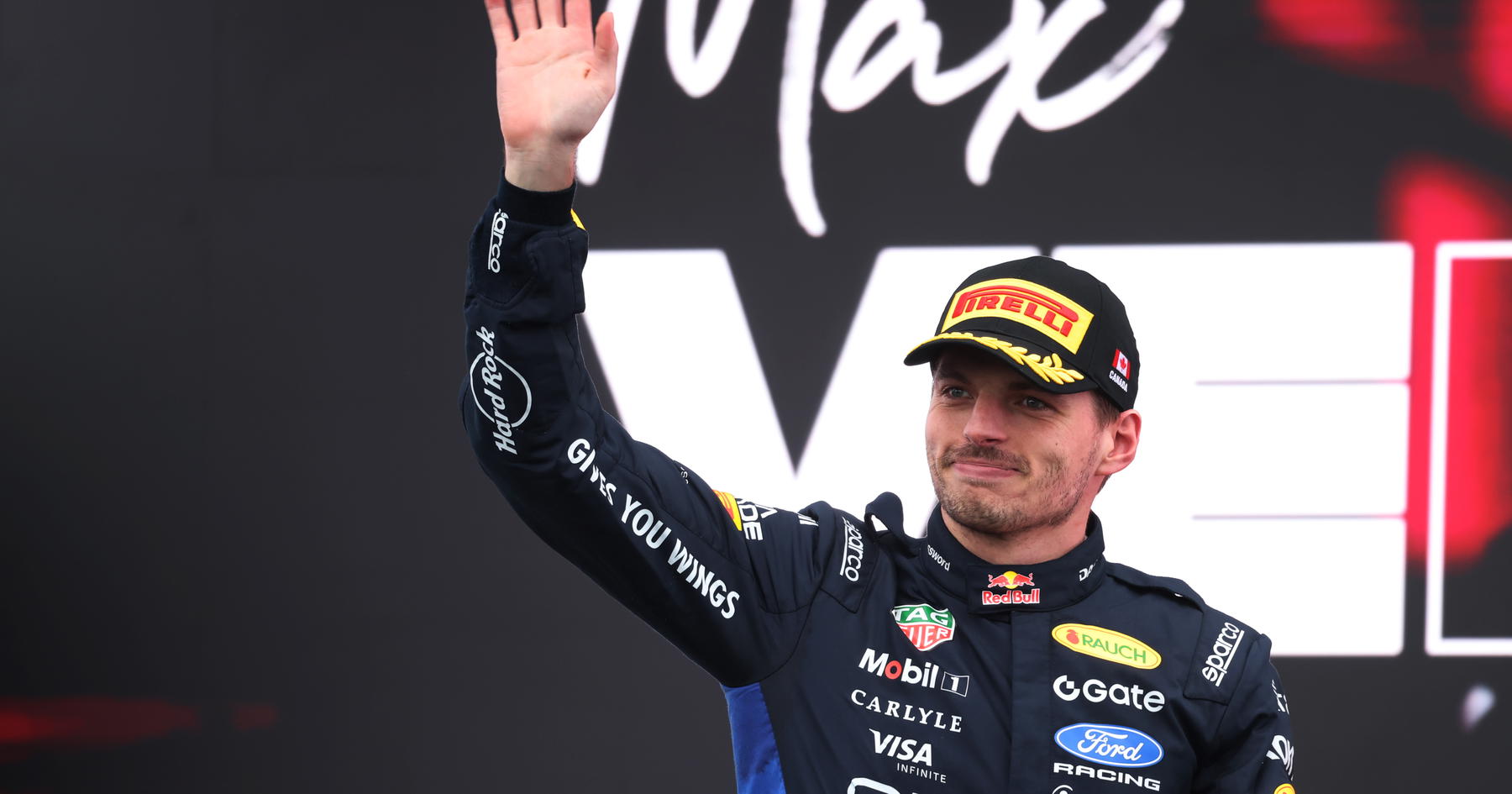
The Canadian Grand Prix proved to be a significant turning point for Max Verstappen and Red Bull Racing, as the Dutch driver secured his first podium finish of the season. This achievement not only ended a challenging streak for the team but also reignited hopes for a competitive resurgence in the ongoing Formula 1 season. Verstappen's surprise at finishing third reflects the unpredictability of the sport and the evolving dynamics within the teams.
As the season progresses, discussions surrounding the future of Formula 1 are intensifying. With new regulations set to be implemented in 2026, drivers like Lewis Hamilton are voicing their support for these changes while also expressing concerns about the current state of the sport. The Canadian Grand Prix served as a backdrop for these conversations, highlighting the intersection of performance and regulatory evolution in F1.
Verstappen's Surprise Podium Finish
Max Verstappen's third-place finish at the Canadian Grand Prix was a welcome relief for Red Bull Racing, marking their first podium of the season. Verstappen admitted he was taken aback by the result, stating that this race was the first where 'nothing crazy happened' to him. This consistency was crucial for a team that has faced numerous challenges in the early part of the season.
Red Bull Racing's CEO, Laurent Mekies, has urged the team to avoid complacency following this success. The podium finish, while a positive sign, is seen as just the beginning of what the team hopes will be a turnaround in their fortunes. The focus now shifts to maintaining this momentum as they head into the next races, with the aim of building on this newfound confidence.
Hamilton's Stance on Future Regulations
Lewis Hamilton has emerged as a vocal supporter of the upcoming F1 regulations set for 2026. His enthusiasm was evident during the Canadian Grand Prix, where he engaged in a thrilling battle for second place alongside Verstappen. Hamilton's commitment to the sport is unwavering, as he declared he would not be retiring anytime soon, urging critics to 'get used to it.'
However, Hamilton, along with Verstappen, has also expressed concerns about the current state of Formula 1, stating that it is 'not what motorsport should be.' This sentiment reflects a broader dialogue within the paddock about the direction of the sport and the need for reforms that align with the values of traditional motorsport. As the season unfolds, these discussions will likely shape the narrative around F1's future.
What's Next for F1
Looking ahead, the Formula 1 landscape is poised for significant changes with the introduction of new regulations in 2026. Teams are already strategizing on how to adapt to these changes, with McLaren notably developing a 'circular' Formula 1 car, a move that reflects a growing emphasis on sustainability within the sport.
Additionally, F1 CEO Stefano Domenicali has confirmed that contingency plans are in place should the season-ending races in Qatar and Abu Dhabi face cancellation. This proactive approach underscores the unpredictability of the current global landscape and the need for flexibility in planning future races.
Key Takeaways
- Max Verstappen secured his first podium of the season at the Canadian Grand Prix.
- Lewis Hamilton supports the upcoming 2026 F1 regulations and plans to continue racing.
- Red Bull Racing's CEO warns against complacency after their podium finish.
- Hamilton and Verstappen express concerns about the current state of F1.
- McLaren is developing a 'circular' Formula 1 car focused on sustainability.
- F1 has contingency plans for potential cancellations of final races in Qatar and Abu Dhabi.
Sources
- RacingNews365: Max Verstappen voices shock over end to Red Bull cold streak
- PlanetF1: ‘I don’t really care’ — Oliver Bearman unfazed by Lewis Hamilton Ferrari reality
- PlanetF1: Lewis Hamilton issues new F1 2026 verdict after Max Verstappen battle
- RacingNews365: McLaren double down on bid to develop 'circular' F1 car
- RacingNews365: F1 calendar back-up plan in place as Alpine reap mega-million dollar new deal - RacingNews365
- RacingNews365: Valtteri Bottas points finger at Cadillac car: 'It's not 100%'
- RacingNews365: McLaren mocked over calamitous decision: 'What on earth were they doing?'
- RacingNews365: Red Bull boss sends 'too excited' warning after podium breakthrough
- Motorsport.com: Entertaining Canadian GP doesn't mean F1 rules are fine, drivers say
- RacingNews365: Where should F1 end the season if Middle East races cancelled?
- PlanetF1: Valtteri Bottas' Cadillac F1 future revealed amid intense speculation
- RacingNews365: Lewis Hamilton agrees with Max Verstappen over 'weird feeling'
- RacingNews365: Max Verstappen makes 'crazy' point after messy start to F1 season
- motorsportweek.com: Red Bull quashes F1 overexcitement despite Max Verstappen Montreal podium