racingnews365.com·
Barcelona 2026 pre-season test update: F1 awakens from hibernation, surprise with Red Bull shakedown
The first pre-season test of 2026 is officially underway in
Barcelona. Although the track is open for five days this week, the
teams are allowed three days of running, all of which is behind
closed doors as fans and media are excluded. The test is necessary
to evaluate the new cars, sporting new power units and associated
aerodynamics. Two further three-day tests in Bahrain follow in
February. So what do we know about the first day of testing so far?
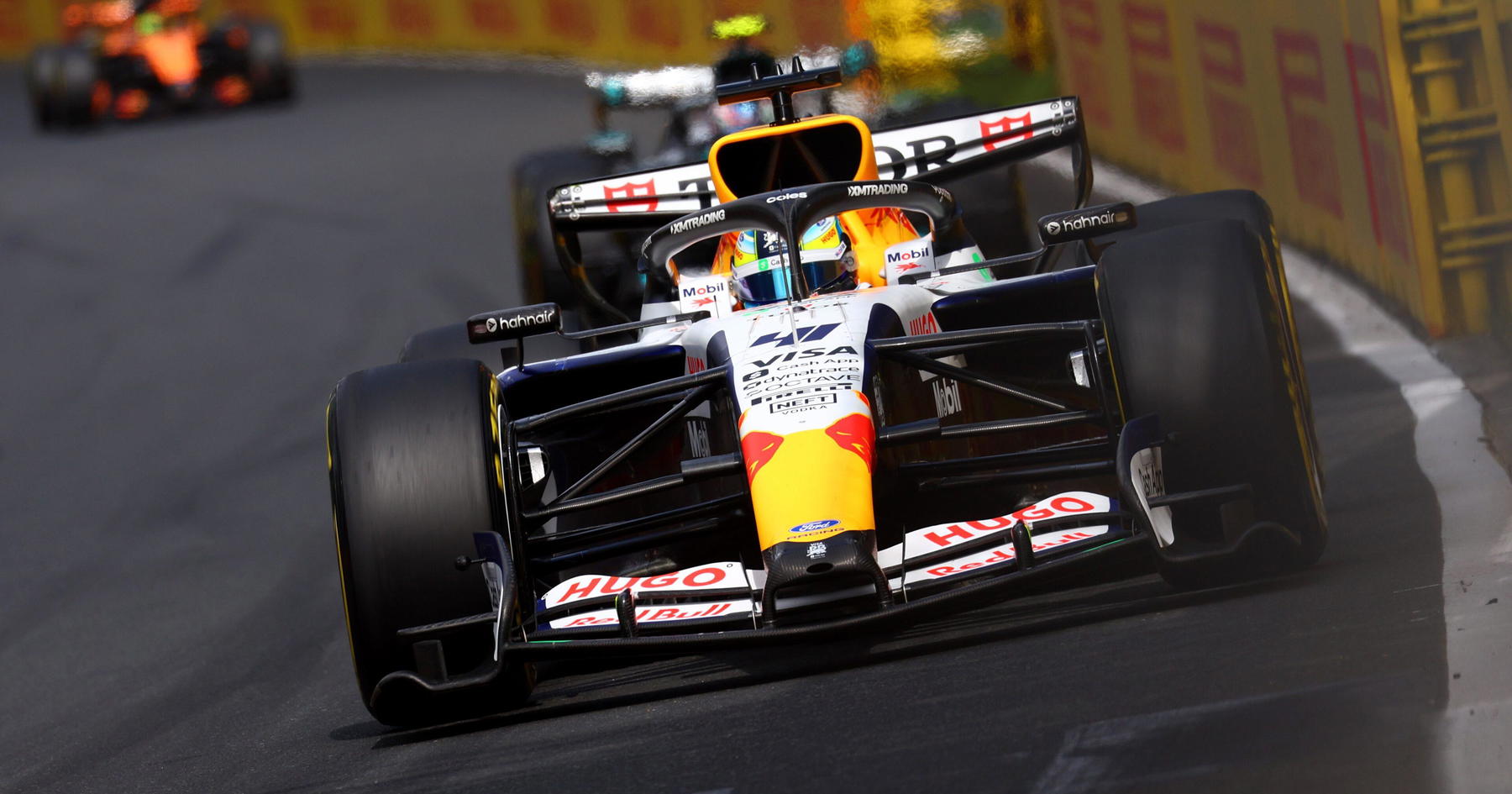
Isack Hadjar gives RB22 the spurs Red Bull immediately completed
its first laps with the RB22. The Milton Keynes-based team chose to
test day immediately, with, perhaps somewhat surprisingly, Isack
Hadjar at the wheel. The Frenchman drove the first installation
laps around Barcelona's Circuit de Catalunya. Max Verstappen is
looking on for the time being, but will, of course, be given plenty
of opportunity to put his new car through its paces. For Red Bull,
the test is crucial, especially since it has built its own engine,
developed in collaboration with Ford, for the first time. Williams
and Aston Martin woes While most of the teams are already in
Barcelona or starting their program from Tuesday, that is not the
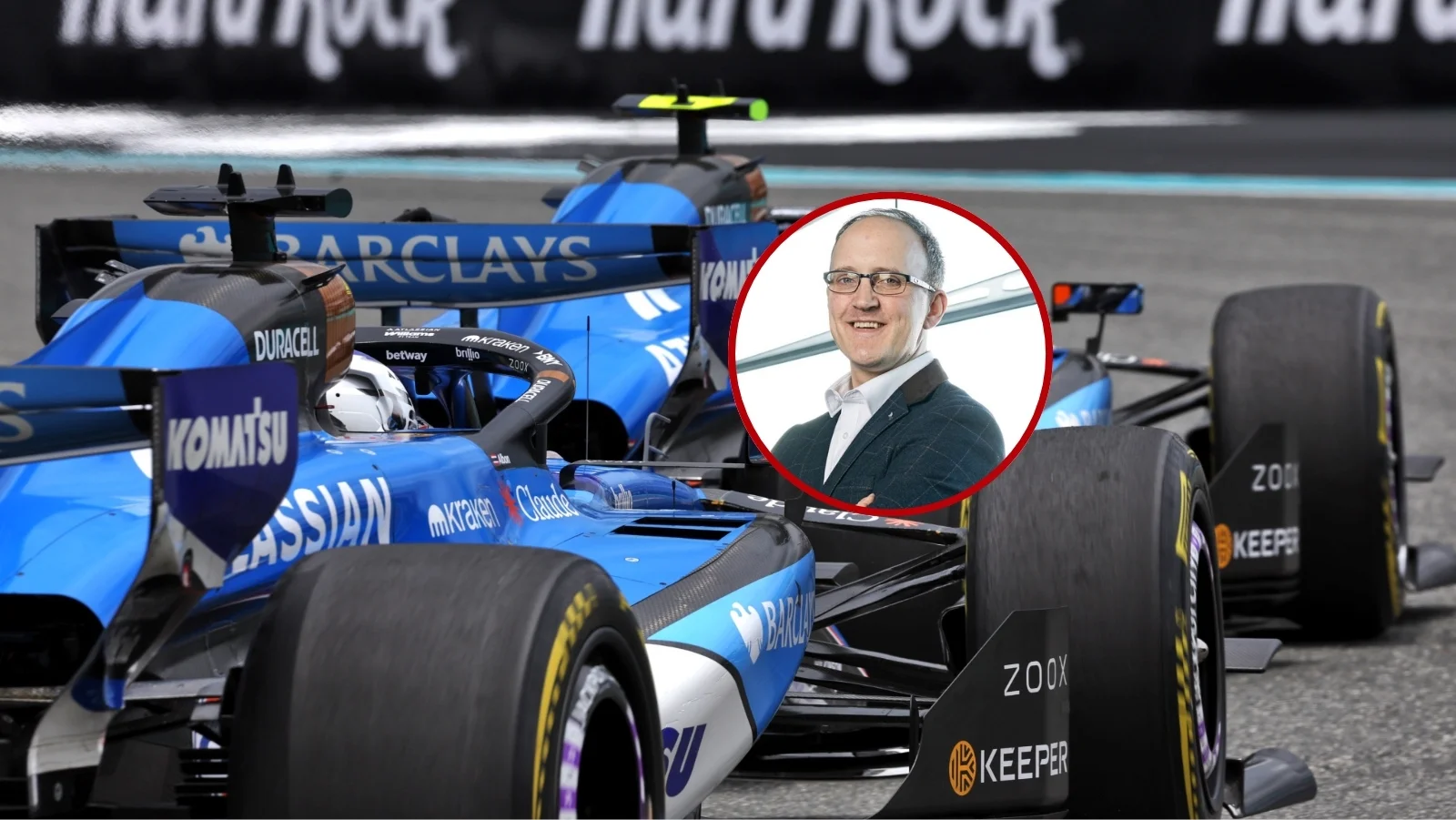
case for Williams and Aston Martin. RacingNews365 has previously
reported that Williams is skipping the entire test, related to
crash test failures on a new nose box, whilst Aston Martin has
opted not to run for now. It is unlikely the Adrian Newey-led team
will start its programme until Wednesday. Different program for
Ferrari and McLaren In addition to Williams and Aston Martin,
Ferrari and McLaren are also running a different program. Ferrari
indicated at the launch and shakedown at Fiorano on Friday that it
will begin its test week on Tuesday. Lewis Hamilton and Charles
Leclerc both conducted a shakedown last week after the car's
unveiling, providing them with an early feel. McLaren will appear
at the Barcelona circuit on Monday, but only for a short
shakedown/filming day, allowing no more than 200km of running, and
on special Pirelli tyres for such an event, rather than the regular
rubber. F1's defending drivers' and constructors' champions will
start its week of testing on Tuesday or Wednesday, dependent on
weather conditions - with rain expected on Tuesday - and how the
shakedown goes. New teams eager to join Beyond Williams, Aston
Martin, Ferrari and McLaren, all the teams were in action on
Monday, including Audi and Cadillac. Audi took over Sauber and is
appearing as a factory team for the first time in F1, while
Cadillac is new to the sport. It was, therefore, a major coup for
both teams to be out on track on the first day. Racing Bulls,
Mercedes, Haas and Alpine also started the closed test on Monday
morning. Kimi Antonelli took a seat behind the wheel of the new
Mercedes, widely regarded as the favourite for this year. Mercedes
flew out of the starting blocks when the V6 engine was introduced
in 2014, going on to dominate the sport for years. Has it again
built the best power unit this year? What fans can expect How
private is a private week of testing? F1 has promised that it will
share some photos and videos during the test. The teams also have
permission to take limited videos of the cars in the pit lane and
on the track. So here and there, footage will appear. Fans are also
reliant on spy shots. Although the Barcelona circuit is secure,
some know how to find secret spots and take images of the cars. So
no live footage, but certainly some nice pictures.