

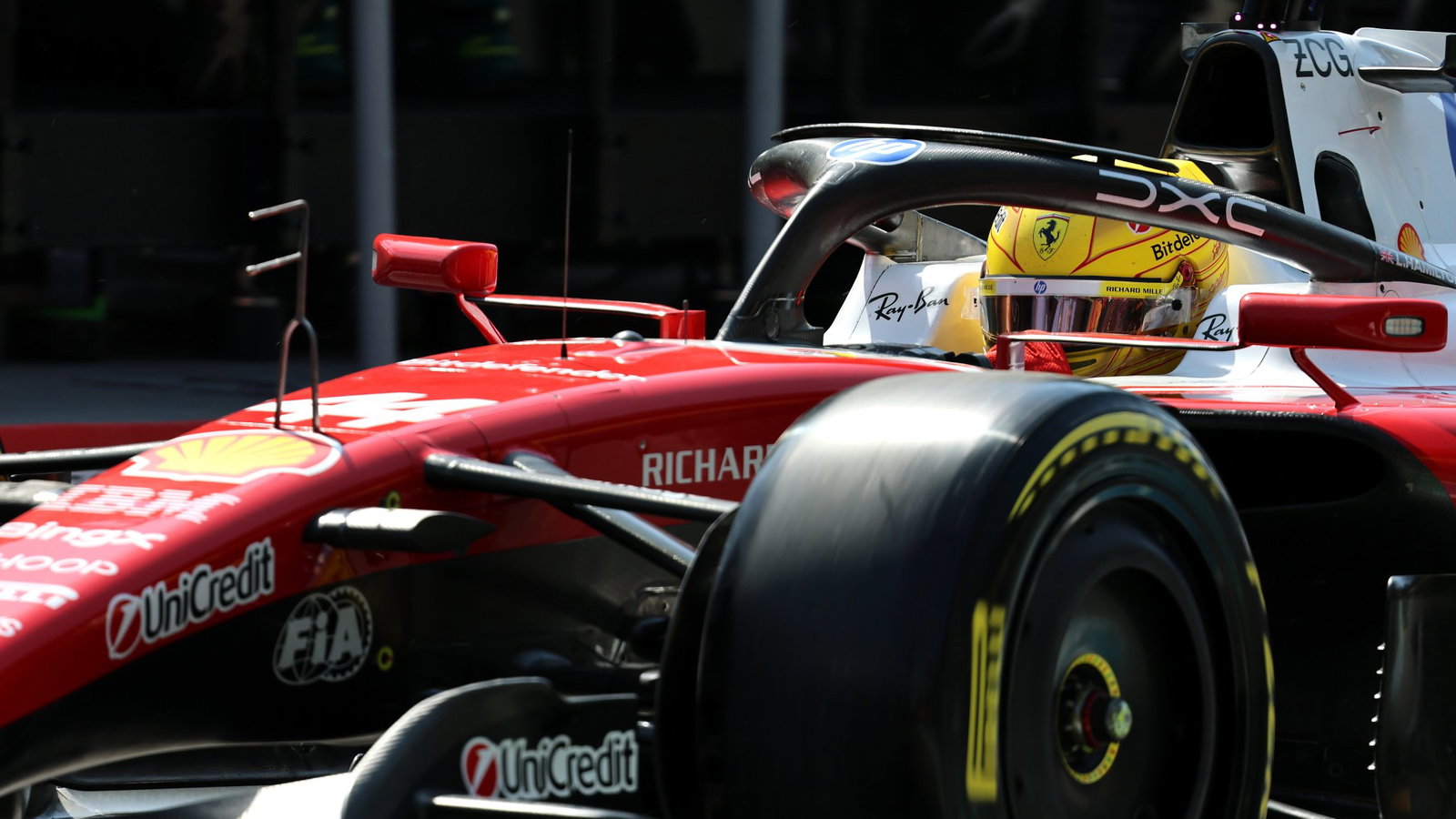
The Azerbaijan Grand Prix has once again proven to be a dramatic backdrop for Formula 1, with Lewis Hamilton at the center of controversy following a near-miss incident during second practice. The seven-time world champion's close encounter with Racing Bulls driver Liam Lawson has ignited discussions about the implications of the upcoming 2026 engine regulations. Hamilton has openly criticized these changes, suggesting they may be contributing to dangerous situations on the track.
As the F1 community grapples with the evolving landscape of the sport, Hamilton's reprimand from the stewards for impeding Lawson has added another layer to the narrative. The incident not only highlights the challenges drivers face with new technology but also raises questions about safety protocols in high-speed racing environments. With Hamilton confirming his intention to address the incident in a drivers' briefing, the implications of this near-miss extend beyond just one practice session.
The Incident: A Close Call in Baku
During the second practice session at the Azerbaijan Grand Prix, Hamilton's actions on the track led to a significant near-miss with Lawson, prompting immediate scrutiny from the FIA stewards. Hamilton was found to have impeded Lawson, resulting in a reprimand that has been described as a 'f****** dangerous' incident by those observing the session. The close proximity of the two cars at high speed raised alarms about the potential for serious accidents, underscoring the risks inherent in the sport.
The FIA's investigation into the incident reflects a growing concern over driver safety, particularly as the sport prepares for significant regulatory changes in the coming years. Hamilton's criticism of the 2026 engine regulations suggests that he believes these changes may be exacerbating the challenges drivers face on the track. As teams adapt to new technologies, the potential for miscommunication and dangerous situations increases, making it imperative for drivers to remain vigilant.
Hamilton's Response and Future Implications
In the aftermath of the incident, Hamilton has expressed his intention to raise the issue of closing speeds and safety with his fellow drivers in the next briefing. This proactive approach indicates his commitment to fostering a safer racing environment, especially as the sport navigates the complexities of new engine regulations. Hamilton's willingness to address these concerns highlights the importance of communication among drivers, particularly in light of the evolving technical landscape of Formula 1.
As the FIA continues to refine its regulations, the incident serves as a reminder of the delicate balance between innovation and safety. Hamilton's experience in Baku may prompt further discussions about how to enhance safety measures and ensure that drivers can compete without fear of dangerous encounters. The upcoming races will likely see heightened awareness and scrutiny regarding driver interactions on the track.
What's Next for F1 and Its Drivers?
Looking ahead, the Formula 1 community must prioritize safety as it embraces new technologies and regulations. The incident involving Hamilton and Lawson is a pivotal moment that could influence future discussions on track safety protocols and driver responsibilities. As teams prepare for the 2026 engine regulations, it will be crucial for the FIA to ensure that all drivers are equipped to handle the changes without compromising safety.
Hamilton's commitment to addressing these issues in upcoming driver briefings may lead to a more collaborative approach to safety in the sport. With the stakes higher than ever, the focus will be on creating an environment where innovation does not come at the expense of driver safety.
Key Takeaways
- Hamilton blames 2026 engine regulations for Baku near-miss.
- The FIA reprimanded Hamilton for impeding Liam Lawson during practice.
- Hamilton describes the incident as 'f****** dangerous'.
- He plans to raise safety concerns in the next drivers' briefing.
- The incident highlights the risks associated with new F1 regulations.
Sources
- Crash.net: Lewis Hamilton blames F1 rules for Baku near-miss: ‘Not the drivers’ fault'
- PlanetF1: FIA confirms Lewis Hamilton punishment after 'dangerous' Liam Lawson incident
- RacingNews365: Lewis Hamilton incident branded 'f****** dangerous' as investigation confirmed
- RacingNews365: Lewis Hamilton confirms driver talks after scary near-miss
- RacingNews365: Lewis Hamilton learns stewards verdict after 'dangerous' Liam Lawson incident
- PlanetF1: 'Dangerous' Lewis Hamilton under threat as FIA launches Azerbaijan GP investigation
- Motorsport.com: Lewis Hamilton summoned to F1 stewards after Azerbaijan GP incident
- Crash.net: Lewis Hamilton learns verdict after Azerbaijan GP impeding investigation
- Crash.net: Lewis Hamilton investigated for “dangerous” incident that angered F1 rival at Azerbaijan GP