

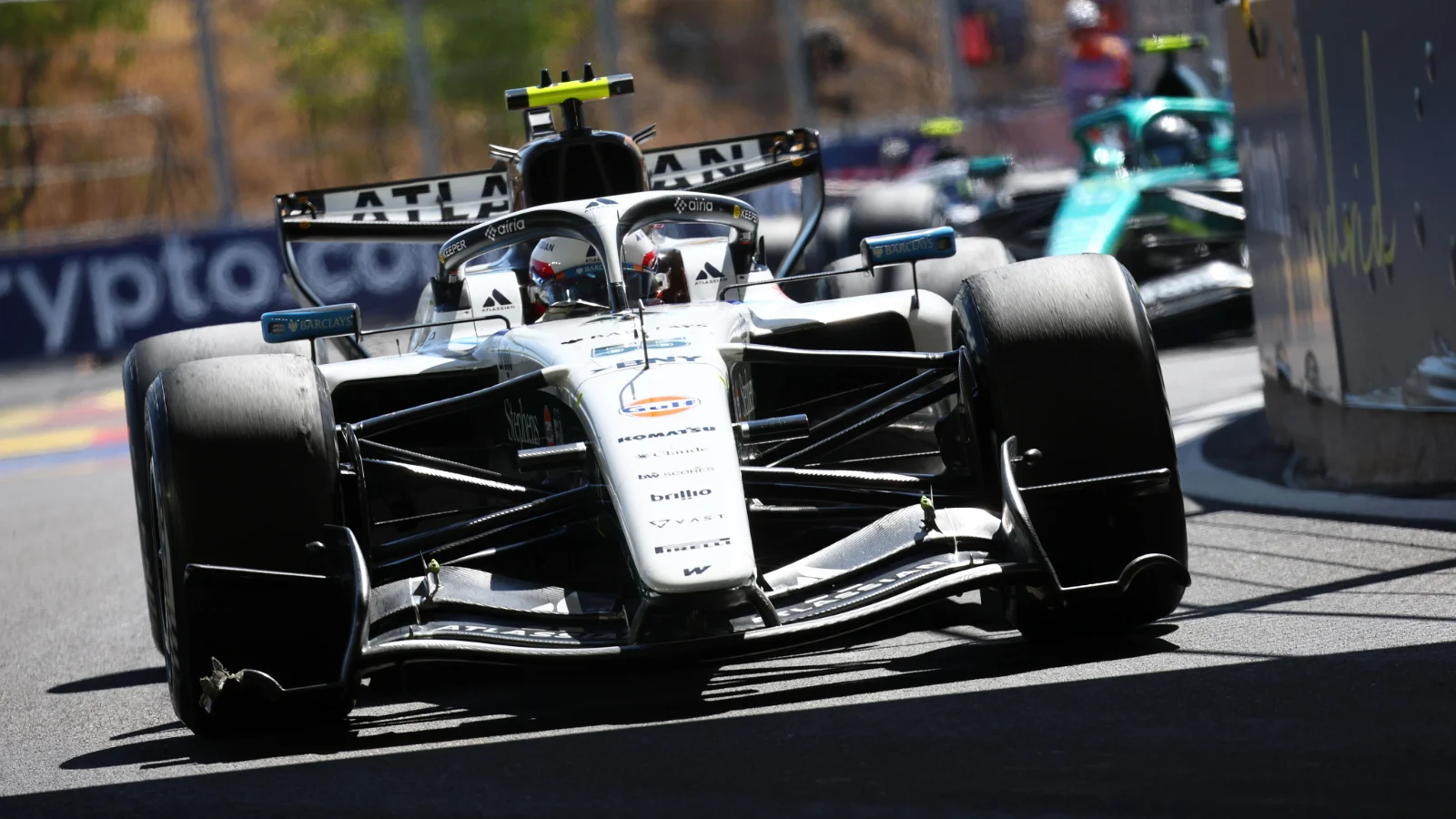
The recent Spanish Grand Prix was not just a showcase of speed and skill; it became a battleground of words between two of Spain's most prominent Formula 1 drivers, Carlos Sainz and Fernando Alonso. Following a controversial incident on the track, Sainz found himself facing a five-second time penalty, a decision he attributes directly to Alonso's complaints over team radio. This clash of compatriots has ignited discussions about the influence of driver communications on race decisions and the dynamics of rivalry in the sport.
As the dust settles on the Madrid circuit, Sainz's accusations against Alonso have brought to light the complexities of racing etiquette and the fine line between competitive spirit and sportsmanship. The incident has not only affected their standings in the race but has also raised questions about the role of the FIA in adjudicating such disputes, especially when they involve high-profile drivers from the same nation.
The Incident at the Spanish GP
During the Spanish Grand Prix, a notable incident occurred between Sainz and Alonso that would later lead to significant repercussions for Sainz. After their clash on track, Alonso voiced his concerns via team radio, which Sainz believes played a crucial role in the stewards' decision to impose a five-second penalty on him. According to Sainz, Alonso's indignation was not just a reaction to the moment but a calculated move that ultimately influenced the race officials' judgment.
Sainz's comments reflect a growing frustration among drivers regarding the impact of radio communications on race outcomes. The FIA's reliance on such complaints can lead to penalties that may seem disproportionate to the incident itself. This situation has sparked a debate about whether drivers should be held accountable for their radio messages and the potential consequences they carry.
Reactions and Implications
The fallout from the incident has been significant, with fans and analysts weighing in on the rivalry between Sainz and Alonso. Many have expressed sympathy for Sainz, viewing his penalty as an unfair consequence of Alonso's complaints. This incident has reignited discussions about the nature of competition in Formula 1, particularly among drivers from the same country who are often seen as allies but can quickly become rivals on the track.
Moreover, the implications of this incident extend beyond just the two drivers. It raises questions about the FIA's role in maintaining fairness in the sport. As teams and drivers navigate the complexities of racing, the influence of radio communications may need to be reevaluated to ensure that penalties are based on objective assessments rather than subjective complaints.
Looking Ahead
As the Formula 1 season progresses, the rivalry between Sainz and Alonso is likely to remain a focal point, especially as both drivers continue to compete for their respective teams. The incident at the Spanish GP serves as a reminder of the delicate balance between competition and camaraderie in the sport. Moving forward, it will be interesting to see how the FIA addresses the concerns raised by this incident and whether any changes will be made to the way driver communications are handled.
Fans will undoubtedly be watching closely as Sainz and Alonso take to the track in future races, eager to see how their rivalry evolves and what impact it may have on their performances.
Key Takeaways
- Sainz blames Alonso for influencing his time penalty at the Spanish GP.
- Alonso's radio complaints led to Sainz's five-second penalty.
- The incident highlights the impact of driver communications on race decisions.
- Debate grows over the fairness of penalties based on radio messages.
- The rivalry between Sainz and Alonso intensifies as the season progresses.
Sources
- motorsportweek.com: Carlos Sainz takes aim at Fernando Alonso after Spanish GP penalty
- RacingNews365: Carlos Sainz accuses Fernando Alonso of getting him Madring penalty
- Motorsport.com: Sainz accuses Alonso of provoking a penalty "like always"
- Crash.net: Carlos Sainz claims Fernando Alonso radio complaints provoked F1 Spanish GP penalty “like always”